Understanding Cannabis Use Disorder: What You Need to Know
Cannabis use disorder (CUD) is a medical condition where you can’t stop using cannabis even though it’s causing problems in your life. It’s not about willpower or being weak—it’s a diagnosable psychiatric disorder recognized by the medical community.
Quick Definition:
- What it is: A pattern of cannabis use that causes significant problems in daily life
- How common: Approximately 3 in 10 people who use cannabis develop CUD
- Key sign: You continue using despite negative consequences
- Risk factors: Early use (especially before age 18), frequent use, high-potency products
- Good news: CUD is treatable with professional help
Maybe you’ve been wondering if your cannabis use has crossed a line. Perhaps you’ve tried to cut back but found it harder than expected. Or maybe someone you care about seems unable to stop using despite mounting problems at work, school, or home.
You’re not alone. In Florida, where attitudes toward cannabis are shifting and medical marijuana is legal for qualifying conditions, many people find themselves caught off guard by how difficult it becomes to stop using. The cannabis available today is not the same as it was decades ago—THC concentrations have nearly doubled in research samples from 2008 to 2017, and dispensary products can contain up to 45% THC.
The truth is simple: cannabis can be addictive. About 10% of people who start using cannabis will develop CUD, and that number jumps to 30% among current users. If you started using as a teenager, your risk is even higher—four to seven times greater than if you’d started as an adult.
This guide will help you understand what cannabis use disorder really is, how to recognize the signs, and most importantly, how to get help if you need it. Recovery is possible, and it starts with understanding what you’re facing.
What is Cannabis Use Disorder?
Cannabis use disorder (CUD) is a condition characterized by a problematic pattern of cannabis consumption that leads to significant distress or impairment in your daily life. It’s a diagnosable psychiatric disorder, meaning it’s a recognized medical condition, not a moral failing. As we understand more about addiction, we recognize that it’s a complex disease that impacts brain chemistry and behavior. In fact, many experts agree that addiction is a disease, not a choice. We’ve explored this topic in more detail in our article, Why Addiction Is Not a Moral Failing.
At its core, cannabis use disorder means you are unable to stop using cannabis, even when it causes health, social, or occupational problems. This can manifest in various ways, from using more than you intended to experiencing cravings or neglecting responsibilities due to cannabis use.
Our brains are wired for reward, and substances like cannabis can hijack this system. THC, the primary psychoactive compound in cannabis, causes surges of dopamine, a neurotransmitter associated with pleasure and reward. Over time, the brain adapts to these surges, leading to changes in its structure and function. This can make it incredibly difficult to cut back or stop using, even when you desperately want to.
Here in Florida, with the evolving landscape of cannabis legality, it’s more important than ever to understand the risks. While medical marijuana is available for qualifying conditions, it doesn’t eliminate the potential for cannabis use disorder to develop. In fact, roughly 1.4% of American adults have CUD, and among those who use cannabis, about 9.3% meet the criteria for the disorder. Globally, an estimated 22.1 million people suffer from cannabis dependence. This is a lifelong condition for many, but with the right support, recovery is absolutely possible.
Signs, Symptoms, and Diagnosis of CUD
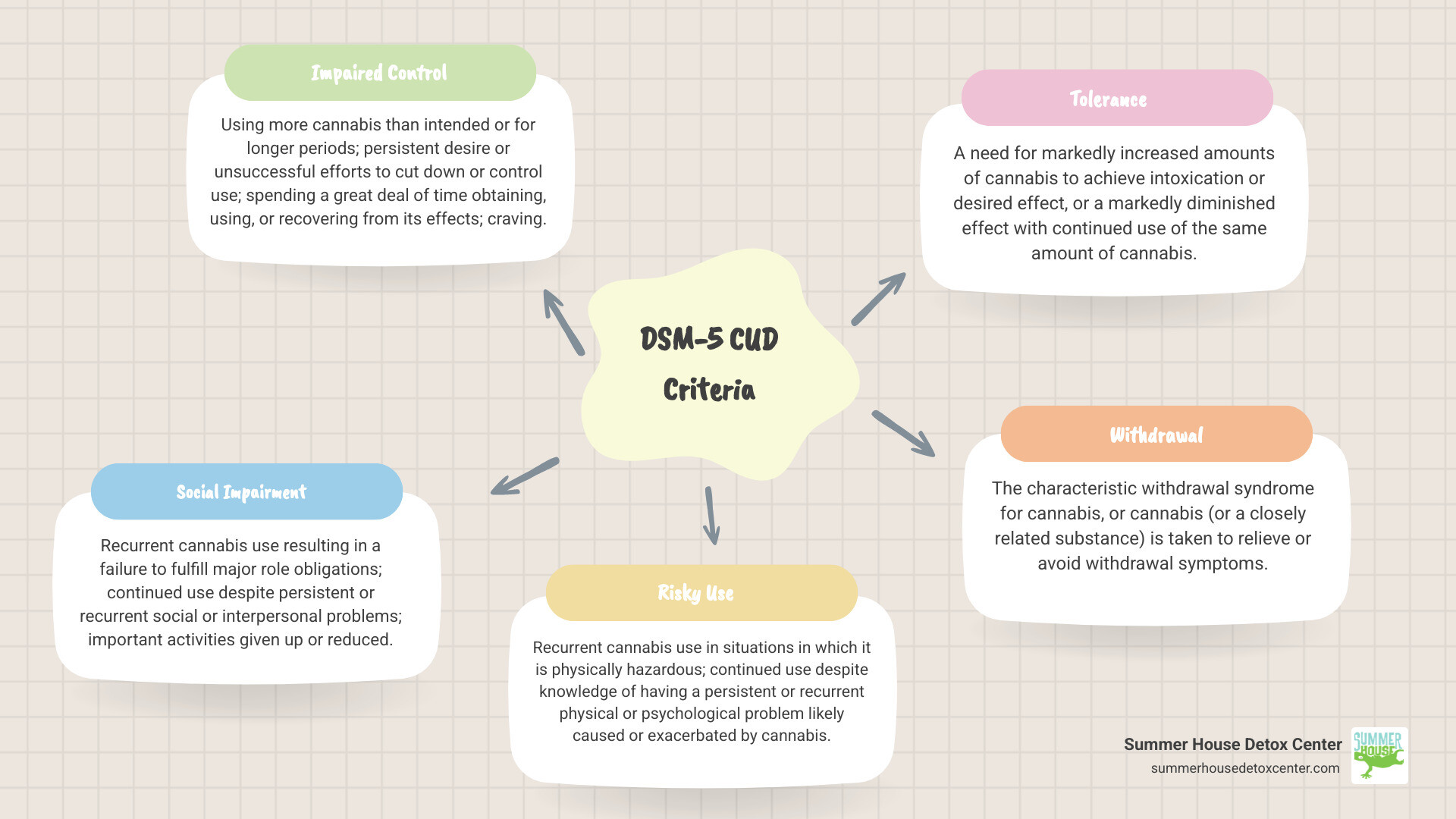
Recognizing cannabis use disorder starts with observing a problematic pattern of use. This often involves impaired control over your cannabis consumption, meaning you might use more than you planned or find it hard to cut down. You might also experience social impairment, where your cannabis use interferes with your relationships, work, or school. Risky use is another key indicator, such as using cannabis in physically hazardous situations (like driving under the influence). Finally, pharmacological criteria, like developing tolerance or experiencing withdrawal symptoms, are strong signs.
The diagnostic criteria for cannabis use disorder are outlined in the Diagnostic and Statistical Manual of Mental Disorders, Fifth Edition (DSM-5). To be diagnosed with CUD, you must exhibit at least two of eleven specific symptoms within a 12-month period. These criteria cover a spectrum of behaviors and experiences related to problematic cannabis use.
The severity of cannabis use disorder is also classified based on the number of criteria met:
- Mild CUD: 2-3 symptoms
- Moderate CUD: 4-5 symptoms
- Severe CUD (addiction): 6 or more symptoms
Understanding these signs is the first step toward seeking help, whether for yourself or a loved one. Early recognition can make a significant difference in the recovery journey. If you’re concerned about early signs of addiction, we encourage you to read our guide on Recognizing the Early Signs of Addiction: When to Seek Help (Introduction). For a more detailed medical perspective, Yale Medicine also offers comprehensive information on Cannabis/marijuana use disorder.
Recognizing the Symptoms of Cannabis Use Disorder
The symptoms of cannabis use disorder can be subtle at first, often dismissed as normal behavior. However, as the disorder progresses, these signs become more pronounced and disruptive to daily life. Here are some common symptoms we often see:
- Craving cannabis: You might experience a strong desire or urge to use cannabis, making it hard to think about anything else.
- Using more than intended: You might find yourself using larger amounts or for longer periods than you initially planned.
- Unsuccessful efforts to cut down: Despite your attempts to reduce or control your cannabis use, you find yourself unable to do so.
- Neglecting responsibilities: Your cannabis use starts to interfere with your major obligations at work, school, or home.
- Continued use despite problems: You keep using cannabis even when it causes or worsens social or interpersonal problems with family or friends.
- Giving up important activities: You start to reduce or completely give up social, occupational, or recreational activities that were once important to you, in favor of cannabis use.
- Using in risky situations: You use cannabis in situations where it is physically hazardous, such as driving a car or operating machinery.
- Continued use despite physical or psychological problems: You persist in using cannabis even though you know it’s causing or exacerbating a physical or psychological issue.
If you’re asking yourself, “Is my cannabis use a problem?” it’s a good time to reflect on these symptoms. We also have a helpful guide asking Is My Drinking a Problem?, and many of the self-assessment questions can apply to cannabis use as well.
Understanding Cannabis Withdrawal
When someone with cannabis use disorder tries to cut back or stop using, they may experience uncomfortable withdrawal symptoms. Unlike the dramatic withdrawal associated with some other substances, cannabis withdrawal can be slow to manifest and often less severe, but it can still be incredibly challenging and contribute to relapse. This is partly due to THC’s fat-soluble nature, which means it stays in the body for an extended period, leading to a slow-onset withdrawal.

Common cannabis withdrawal symptoms include:
- Irritability, anger, or aggression: You might find yourself easily annoyed or short-tempered.
- Nervousness or anxiety: A general feeling of unease or heightened anxiety can occur.
- Trouble sleeping: Insomnia, vivid dreams, or difficulty falling and staying asleep are common.
- Appetite or weight loss: You might experience a decrease in appetite, leading to unintentional weight loss.
- Restlessness: A feeling of agitation or an inability to relax.
- Feeling depressed: A low mood or feelings of sadness can emerge.
- Physical discomfort: This can include stomach pain, tremors, shakes, sweating, hot flashes, chills, or headaches.
These symptoms typically begin within the first week of abstinence, peak around day three, and can last for several weeks. Approximately half of those in treatment for CUD will experience withdrawal symptoms. Managing these symptoms effectively is crucial for successful recovery. At Summer House Detox Center, we specialize in Managing Withdrawal Symptoms: How Summer House Detox Center Helps You Through the Hardest Days with medical supervision and compassionate care.
Risk Factors and Health Consequences
Several factors can increase your risk of developing cannabis use disorder. It’s rarely just one thing; often, it’s a combination of genetic predispositions, environmental influences, and individual choices.
- Genetics: Research suggests that genetic factors play a significant role, accounting for 40% to 60% of the vulnerability to any substance use disorder. If you have a family history of addiction, your risk of developing CUD may be higher.
- Early age of onset (adolescence): Starting cannabis use before the age of 18 dramatically increases your risk. Adolescents who begin using cannabis are four to seven times more likely to develop CUD than adults who start later.
- Frequent use: The more often you use cannabis, the higher your risk. Studies show that 17% of weekly cannabis users and nearly 19% of daily users meet the criteria for cannabis dependence.
- High THC potency: As we’ll discuss further, the increasing concentration of THC in cannabis products significantly raises the risk of developing CUD.
- Co-occurring mental health disorders: There’s a strong link between mental health conditions and substance use disorders. About half of people who experience a mental health condition will also experience a substance use disorder, and vice versa. People with psychiatric disorders like anxiety, depression, PTSD, or schizophrenia are at a higher risk of developing CUD, often using cannabis to self-medicate. If you’re struggling with both, our article Anxiety and Substance Use: What’s the Connection? might offer some insights.
If you or a loved one are struggling with substance use or addiction, please don’t hesitate to contact the Substance Abuse and Mental Health Services Administration (SAMHSA) National Helpline at 1-800-662-4357 for information on support and treatment facilities in your area, including those in Florida.
The Impact of High-Potency Cannabis
The cannabis landscape has changed dramatically. What was once considered “strong” cannabis decades ago pales in comparison to the high-potency products widely available today, especially in areas where medical or recreational use is legal, such as Florida.
The average delta-9 THC concentration in cannabis research samples almost doubled from 9% in 2008 to 17% in 2017. In some online dispensaries, the average THC concentration can be as high as 22%, with some products reaching up to 45%. This significantly increased THC concentration plays a critical role in the risk of developing cannabis use disorder. Higher potency means a greater potential for overconsumption and more intense, potentially negative, consequences.
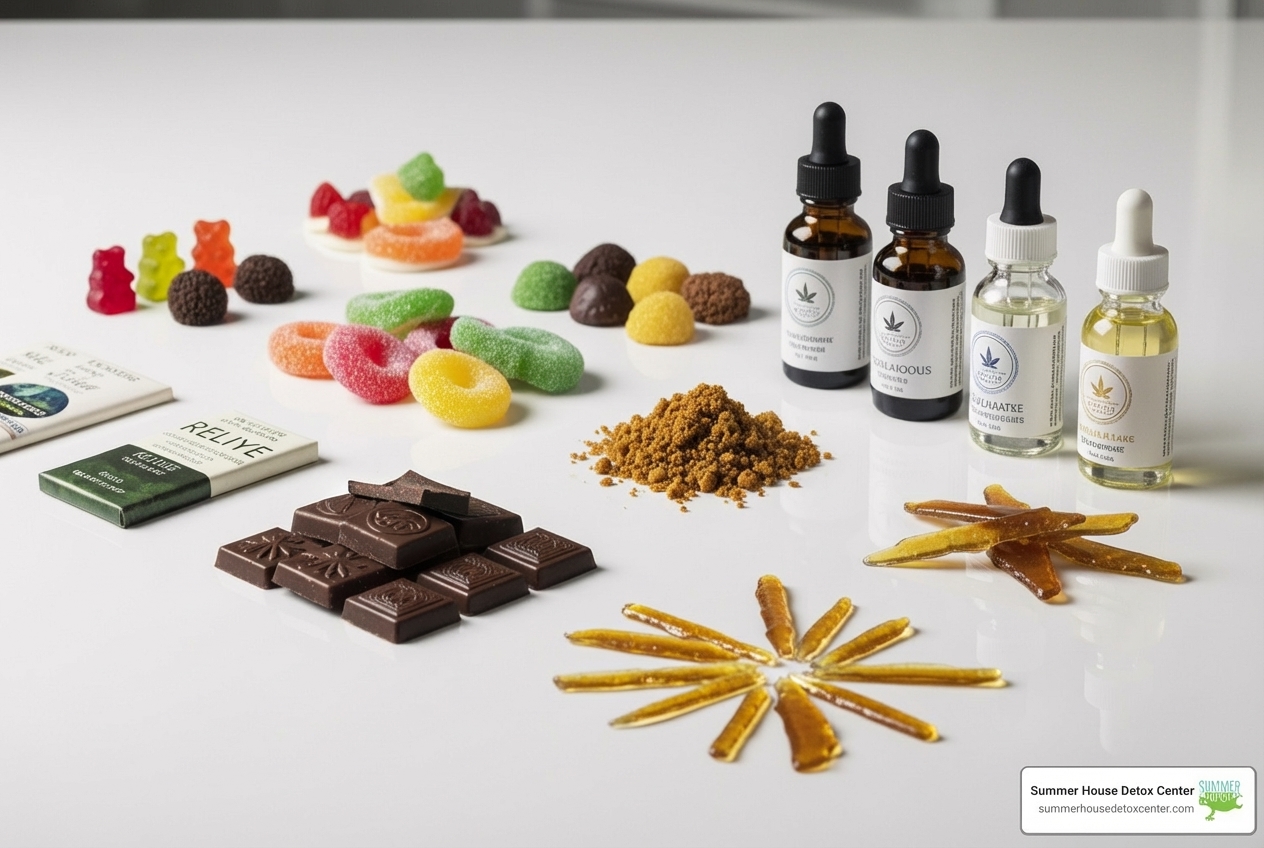
These high-potency products come in various forms, including:
- Edibles: Cannabis-infused foods that can have delayed and intense effects.
- Oils and concentrates: Products like dabs, waxes, and shatter, which have extremely high THC levels (often 60-90% or more) and are typically consumed via vaping or dabbing.
The link between high-potency cannabis and psychosis is also a serious concern. Cannabis-induced psychosis is a recognized complication, and studies have shown that 34% of people who experience cannabis-induced psychosis may transition to schizophrenia. For more information on the addictive nature of cannabis, you can refer to the National Institute on Drug Abuse’s page, Is marijuana addictive.
Long-Term Health Effects of Cannabis Use Disorder
Chronic or heavy cannabis use, particularly when it escalates to cannabis use disorder, can have a range of significant and lasting impacts on your health, both physical and mental.
- Cognitive impairment: Long-term cannabis use can lead to problems with attention, memory, and learning. Studies have shown that persistent cannabis users may experience neuropsychological decline from childhood to midlife, affecting their cognitive function. This can manifest as difficulty concentrating, retaining new information, or making decisions. We’ve also explored how other substances affect the brain in our article How Does Alcohol Abuse Affect the Brain?.
- Memory issues: Chronic users often report memory deficits, which can impact daily functioning and academic or professional performance.
- Respiratory problems (smoking/vaping): For those who smoke or vape cannabis, long-term use can lead to chronic bronchitis, persistent cough, and other respiratory issues, similar to those seen with tobacco use.
- Cardiovascular risks: While research is ongoing, some studies suggest potential cardiovascular impacts, including increased heart rate.
- Mental health decline: Beyond the risk of psychosis, heavy cannabis use is associated with a higher likelihood of developing or worsening mental health symptoms and disorders, including anxiety, depression, and mood changes. In some cases, chronic heavy use can even lead to irreversible organic neurological dysfunction.
The effects of cannabis use disorder can be profound, impacting every aspect of an individual’s life. A study published in the Proceedings of the National Academy of Sciences titled Persistent cannabis users show neuropsychological decline from childhood to midlife highlights the serious long-term cognitive consequences.
How CUD Affects Adolescents
Adolescence is a critical period of brain development, making young people particularly vulnerable to the adverse effects of cannabis. The endocannabinoid system, which cannabis directly impacts, plays a crucial role in shaping the adolescent brain.
- Brain development: The adolescent brain is undergoing major changes, and exposure to cannabis during this time can alter its development. This can lead to lasting structural and functional changes.
- IQ decline: Frequent and heavy cannabis use during adolescence has been linked to a decline in IQ points that may not be fully recovered even if use stops later in life.
- School performance: Adolescents with cannabis use disorder often experience poor school performance, including lower grades, increased absenteeism, and a higher likelihood of dropping out.
- Increased risk of mental illness: Adolescent cannabis use significantly increases the risk of developing mental health conditions, including anxiety, depression, and schizophrenia. A national inpatient study found that adolescents with CUD had 2.4 times the odds of suicide attempts or self-harm.
For a deeper dive into the specific risks facing young people, the article Evidence for the Risks and Consequences of Adolescent Cannabis Exposure provides extensive information. It’s clear that delaying cannabis use until adulthood, if at all, is crucial for protecting the developing brain.
Treatment for Cannabis Use Disorder in Florida
The good news is that cannabis use disorder is treatable. While there’s no magic bullet, a combination of psychosocial interventions and behavioral therapies has proven effective. These treatments focus on helping individuals develop coping skills, change problematic behaviors, and build a supportive recovery network.
At Summer House Detox Center in Florida, we understand that effective treatment begins with addressing the underlying issues and providing tools for long-term sobriety. We believe in personalized care that respects your unique journey.
Key behavioral therapies used in CUD treatment include:
- Motivational Improvement Therapy (MET): This approach helps you explore and resolve ambivalence about changing your cannabis use, strengthening your motivation to enter and adhere to treatment.
- Cognitive-Behavioral Therapy (CBT): CBT teaches you to identify and change problematic thought patterns and behaviors that contribute to cannabis use. It equips you with strategies to cope with cravings, manage triggers, and prevent relapse.
- Contingency Management (CM): CM uses positive reinforcement, such as rewards or incentives, for achieving specific treatment goals, like negative drug tests.
We integrate these evidence-based therapies into our treatment programs, recognizing the vital The Role of Therapy in Detox and beyond.
Despite the availability of effective treatments, several barriers can prevent individuals from seeking the help they need:
- Poor motivation: Many individuals may not recognize the severity of their problem or feel ready to change.
- Fear of change: The prospect of life without cannabis can be daunting, especially if it’s been a long-standing coping mechanism.
- Stigma: The societal stigma associated with addiction can make people hesitant to admit they have a problem or seek professional help.
- Other mental health problems: Co-occurring mental health conditions can complicate treatment seeking and engagement.
- Lack of access: Limited access to affordable and specialized treatment services can be a significant barrier.
Medically Supervised Detox
For individuals with moderate to severe cannabis use disorder, especially those experiencing significant withdrawal symptoms, a medically supervised detox can be an essential first step. While cannabis withdrawal is typically not life-threatening like alcohol or benzodiazepine withdrawal, it can be incredibly uncomfortable and lead to relapse if not managed properly.
At Summer House Detox Center in Miami, Florida, our medically supervised detox program focuses on providing a safe, comfortable, and supportive environment. Our experienced medical team monitors your physical and psychological well-being 24/7, ensuring that withdrawal symptoms are managed effectively.
Our approach includes:
- Managing withdrawal safely: We provide compassionate care to alleviate discomfort, minimize cravings, and prevent complications during the withdrawal process.
- Medical monitoring: Our medical staff are on hand to address any physical symptoms or health concerns that arise.
- Nutritional support: Proper nutrition is vital for healing and recovery, and we ensure you receive balanced meals to support your body’s restoration.
- A comfortable environment: We believe that healing thrives in a serene and respectful setting, which is why we prioritize comfort and dignity throughout your stay.
Trying to detox from cannabis on your own can be challenging and often leads to relapse. Our article The Importance of Medically Supervised Detox: Why DIY Detox Can Be Dangerous highlights the risks of attempting to detox without professional help. For a comprehensive overview of our services, visit our Detox Services page.
Are There Medications for CUD?
Currently, there are no FDA-approved medications specifically for treating cannabis use disorder. This is a significant challenge in the field, and researchers are actively working to identify effective pharmacological interventions.
While no specific medications are approved, some off-label medications may be used to manage specific withdrawal symptoms, such as anxiety or sleep disturbances. Research is ongoing into potential pharmacotherapies, including compounds that interact with the brain’s cannabinoid system or other neurotransmitters. For instance, Yale Medicine is conducting clinical trials for drugs that increase the brain’s cannabis-like proteins, with promising preliminary results for reducing drug use and withdrawal symptoms. Other investigational agents like Gabapentin and N-acetylcysteine are also being studied, though their benefits are still unclear.
For now, the primary focus of CUD treatment remains behavioral therapies. Experts generally agree that a combination of behavioral and, potentially, pharmacological approaches will likely be superior to either alone, as noted in the article Treatment of cannabis use disorder: Current science and future outlook.
Frequently Asked Questions about Cannabis
What’s the difference between cannabis and synthetic cannabinoids?
It’s crucial to understand the distinction between natural cannabis and synthetic cannabinoids due to their vastly different effects and risks.
- Natural cannabis: This refers to the plant Cannabis sativa and its various products (marijuana, hashish, edibles, etc.). It contains hundreds of compounds, including delta-9-tetrahydrocannabinol (THC) and cannabidiol (CBD). While natural cannabis can lead to cannabis use disorder and other health issues, its effects are generally more predictable due to the complex interplay of its natural compounds.
- Synthetic cannabinoids: These are man-made chemicals designed to mimic the effects of THC. They are often sprayed onto dried plant material and sold as “Spice” or “K2.” Unlike natural cannabis, synthetic cannabinoids are unregulated and their chemical composition can vary widely, making their effects highly unpredictable and often much more potent and dangerous than natural cannabis. They can cause severe health risks, including seizures, kidney damage, psychosis, and even death.
For context, you might be interested in our article What is Kratom?, which discusses another substance often misunderstood in its natural vs. synthetic forms.
Isn’t marijuana legal for medical use in Florida?
Yes, medical marijuana is legal in Florida for qualifying conditions, and recreational use is also a topic of ongoing discussion. However, differentiate between legal access and the potential for misuse or the development of cannabis use disorder.
- Medical vs. recreational use: In Florida, medical marijuana requires a physician’s recommendation for specific conditions. Recreational use remains illegal at the state level, though efforts to legalize it are underway.
- Qualifying conditions in Florida: Patients with conditions like cancer, epilepsy, glaucoma, HIV/AIDS, PTSD, and chronic pain may qualify for a medical marijuana card.
- Potential for misuse: Even when used medically, cannabis can still lead to cannabis use disorder. The increased potency of available products means that even medical users can develop tolerance, dependence, and experience withdrawal symptoms.
- CUD can develop from medical use: Using cannabis to manage chronic pain or other symptoms can, for some individuals, transition into a problematic pattern of use where they become reliant on the substance beyond medical necessity, leading to CUD.
The article The pharmacologic and clinical effects of medical cannabis provides further insight into the complexities of medical cannabis.
How many people who use cannabis develop CUD?
It’s a common misconception that cannabis isn’t addictive, but the statistics paint a clear picture.
- Overall risk: Approximately 3 in 10 people who use cannabis will develop cannabis use disorder. This means about a 30% likelihood of becoming addicted among those who use the substance.
- Higher risk with early and frequent use: The risk significantly increases for individuals who start using cannabis during youth or adolescence and who use it more frequently. About 10% of people who begin smoking cannabis will become addicted, but this figure jumps to 30% for current users who meet the criteria for addiction.
- Daily users: For those who use cannabis daily, the risk of developing dependence is even higher, with 10–20% developing dependence.
- Global impact: Globally, 22.1 million people are estimated to have cannabis dependence, underscoring the widespread nature of this disorder.
Understanding these statistics, particularly the increased risk associated with early and frequent use, is crucial for prevention and early intervention. For more details, the CDC’s page Understanding Your Risk for Cannabis Use Disorder is an excellent resource.
Your Path to Recovery Starts Here
Overcoming cannabis use disorder is a journey, and we want you to know that it is absolutely possible. You don’t have to face it alone. Professional help is key, offering the medical supervision, therapeutic tools, and compassionate support needed to steer withdrawal and build a foundation for lasting recovery.
At Summer House Detox Center in Miami, Florida, we are dedicated to providing personalized care that respects your individual needs and circumstances. Our team, some of whom have walked the path of recovery themselves, understands the challenges you face and is here to guide you every step of the way. We focus on comfort, dignity, and creating a supportive environment where you can begin to heal.
Building a strong support system, both within a treatment program and in your life afterward, is vital. It provides accountability, encouragement, and a sense of community that reinforces your commitment to sobriety. This is a new beginning, a chance to reclaim your health, relationships, and future.
We invite you to explore Life After Detox: Building a Strong Foundation for Long-Term Sobriety to understand what comes next after detoxification. If you’re ready to take the first step towards a healthier, cannabis-free life, let us help you Transform Your Life With Expert Drug and Alcohol Detox in Miami.
