
Understanding Alcohol Withdrawal: What You Need to Know
Alcohol addiction and withdrawal is a serious medical condition affecting about half of those with alcohol use disorder when they quit or cut back. Understanding what happens during withdrawal is the first step toward getting the right support and staying safe.
Key Facts About Alcohol Withdrawal:
- Timing: Symptoms often start 6-12 hours after the last drink, peaking at 24-72 hours.
- Severity: Can range from mild anxiety to life-threatening seizures and delirium tremens (DTs).
- Risk: Without medical care, 3-5% of individuals experience severe, potentially fatal complications.
- Safety: Medically supervised detox is the safest way to manage withdrawal and can be life-saving.
When used heavily, alcohol, a central nervous system depressant, changes your brain’s chemistry. Your brain adapts to its presence, but when you stop, your nervous system becomes hyperexcitable, causing withdrawal symptoms.
In Florida, where over 1 in 17 adults has an alcohol use disorder, this knowledge is critical. The symptoms can be deadly without medical care. Delirium tremens, the most severe form of withdrawal, has a mortality rate of up to 20% without treatment.
Fortunately, withdrawal is a treatable condition. With professional support in a safe environment like those in South Florida, you can steer this phase and start building a healthier life. This guide will explain the science, symptoms, risks, and how to get through it safely.

The Science Behind Alcohol Addiction and Withdrawal
Alcohol addiction and withdrawal is rooted in brain chemistry, not a lack of willpower. Understanding the science can make the process less intimidating.
Alcohol is a central nervous system (CNS) depressant that slows brain activity. It does this by enhancing the effects of GABA, your brain’s natural “brake,” and blocking glutamate, the “accelerator.” This creates a feeling of relaxation. You can learn more in our guide on How Alcohol Affects Us.
How Chronic Alcohol Use Changes the Brain
With prolonged heavy drinking, your brain adapts to maintain balance—a process called neuroadaptation. Your GABA receptors become less sensitive, while your brain creates more glutamate receptors to counteract the alcohol’s effects. This establishes a new baseline where the brain needs alcohol to function normally. This state is known as physical dependence, a medical condition often linked with addiction. We explore this in What’s the Difference Between Alcohol Abuse, Dependence, and Addiction? and Does Alcohol Addiction Change the Way the Brain Works?.
Why Withdrawal Occurs When You Stop Drinking
When you suddenly stop drinking, the alcohol is gone, but your brain’s adaptations remain. The weakened “brake” (GABA system) and boostd “accelerator” (glutamate system) create a rebound effect. Your CNS becomes hyperexcitable, causing withdrawal symptoms like anxiety, tremors, and seizures.
This is why medical supervision is critical. Your brain is in a state of physical crisis. Each withdrawal episode can also be more severe than the last due to the kindling effect. With medical support, your brain can safely recalibrate and heal, a process we detail in The Science Behind Detox: How the Body Heals from Substance Abuse.
Recognizing the Signs: Symptoms and Timeline of Alcohol Withdrawal
The symptoms of alcohol addiction and withdrawal vary widely, from a bad hangover-like feeling to a medical emergency. The severity depends on factors like your drinking history, health, and genetics. There is no one-size-fits-all experience, which is why professional assessment is key. Our Alcohol Withdrawal Timeline offers more insight into this individual process.
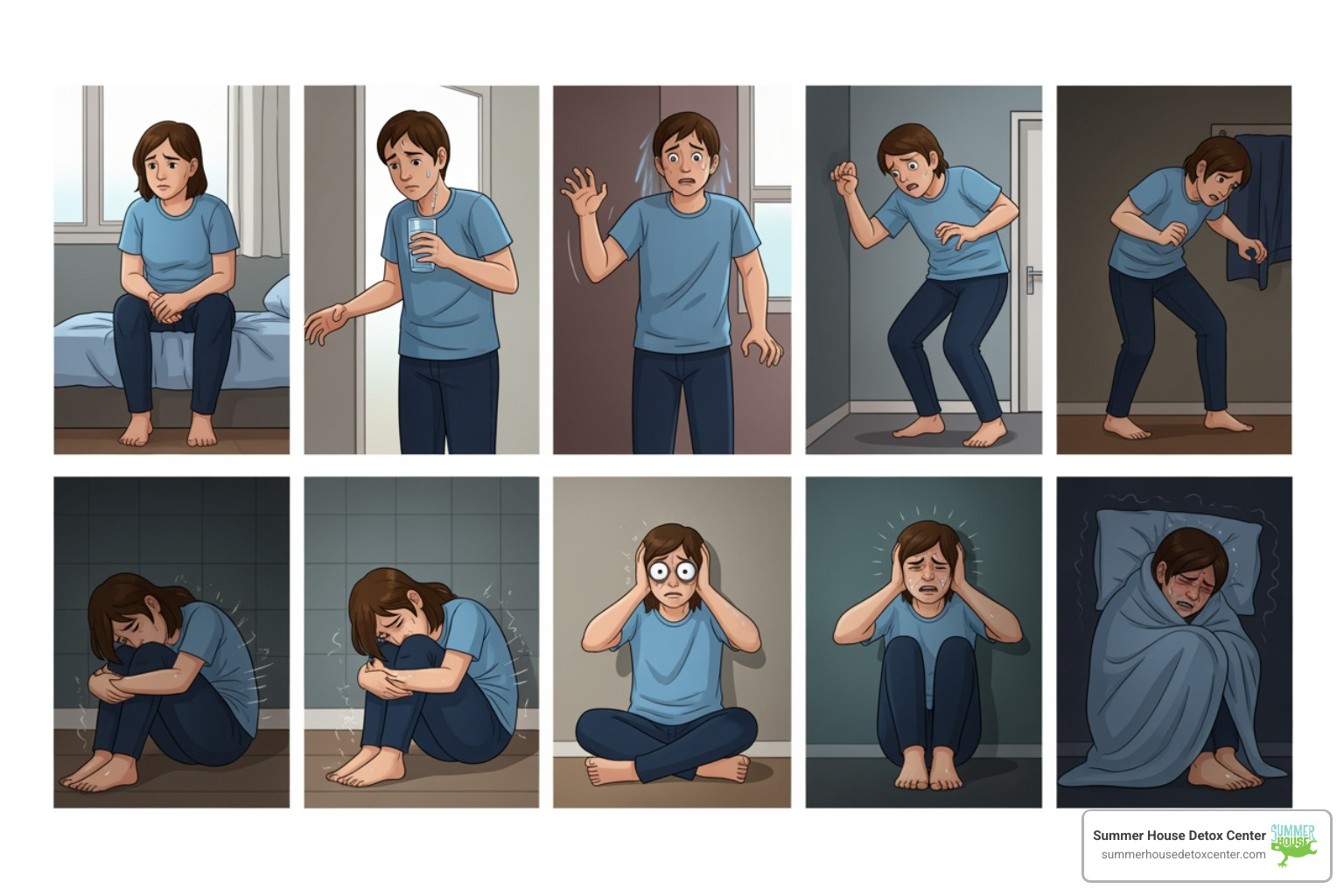
The Progression and Timeline of Withdrawal Symptoms
Withdrawal symptoms generally follow a predictable, though variable, timeline. It’s crucial to know these stages, as the risk of severe complications increases over time.
-
6 to 12 hours after the last drink: Mild symptoms begin. These often feel like a severe hangover and include anxiety, insomnia, nausea, headache, sweating, and hand tremors.
-
12 to 48 hours: Symptoms can intensify. Blood pressure and heart rate may rise. Confusion and irritability are common. This is also the window for alcoholic hallucinosis, where you may see, hear, or feel things that aren’t there, though you are typically aware they aren’t real. The risk of withdrawal seizures also peaks during this time (usually 24-48 hours), which is a primary reason at-home detox is so dangerous.
-
48 to 72 hours and beyond: This is the most dangerous period. Delirium Tremens (DTs), the most severe form of withdrawal, can appear. DTs involve severe confusion, disorientation, terrifying hallucinations that feel real, high fever, and extreme cardiovascular instability. This is a medical emergency with a significant mortality rate if left untreated. Knowing the Top 8 Signs You Need Alcohol Withdrawal Treatment is vital.
-
Weeks to months later: Some individuals experience Post-Acute Withdrawal Syndrome (PAWS), which includes lingering symptoms like mood swings, anxiety, and fatigue. This highlights the need for ongoing support after detox.
Understanding this progression underscores why medical supervision, especially during The First 72 Hours of Detox: What to Expect and How to Prepare, is not just helpful—it’s essential for safety. For more details, see our Alcohol Abstinence Timeline.
Assessing Risk and Seeking Professional Help in Florida
Understanding your personal risk level for severe alcohol addiction and withdrawal is a life-saving step. Because withdrawal can be unpredictable, professional assessment and supervision are essential, and expert care is readily available here in Florida.

When you seek help in Miami, medical professionals will conduct a thorough evaluation, including your drinking history, a physical exam, and various tests. They use tools like the CIWA-Ar scale to measure the severity of your symptoms and create a personalized treatment plan. This evidence-based approach is why professional help is so much safer than going it alone, as explained in The Importance of Medically Supervised Detox: Why DIY Detox Can Be Dangerous. If you’re unsure, our guide on How to Know if You or a Loved One Needs Detox Support can help.
Key Risk Factors for Severe Withdrawal
Certain factors significantly increase your risk of severe withdrawal, making medical supervision critical:
- History of heavy, long-term drinking
- Previous withdrawal episodes (due to the kindling effect)
- Co-occurring medical conditions like heart or liver disease
- Co-occurring mental health disorders like anxiety or depression. Learn more at Anxiety and Substance Use: What’s the Connection?.
- Advanced age (over 65)
- Polysubstance use, which you can read about in What Is Polydrug Abuse and How Can Alcohol Rehab Help?.
- Dehydration, malnutrition, or electrolyte imbalances
The Dangers of Unmanaged alcohol addiction and withdrawal
Attempting to manage withdrawal alone can be deadly. The primary risks include:
- Seizures: Can occur suddenly and cause serious injury.
- Delirium Tremens (DTs): A medical emergency affecting 3-5% of individuals in withdrawal, with a high mortality rate without treatment.
- Cardiovascular Complications: Uncontrolled heart rate and blood pressure can lead to heart attack or stroke.
- Wernicke-Korsakoff Syndrome: Permanent brain damage from thiamine deficiency, preventable with medical care.
- Aspiration Pneumonia: Inhaling stomach contents into the lungs, leading to infection.
- Death: A real possibility from the complications above. We cover this in Can You Die From Alcohol Abuse?.
In South Florida, you don’t have to face these risks. Facilities like Summer House Detox Center in Miami provide the medical supervision needed to prevent these complications and ensure your safety.
Navigating Treatment: From Medically Supervised Detox to Long-Term Recovery
Safely managing alcohol addiction and withdrawal is the first step on the path to lasting sobriety. This journey requires a comprehensive approach, starting with professional medical care and extending to building a new, healthy life. This process is outlined in Breaking the Cycle: How Medically Supervised Detox Sets the Foundation for Recovery.

Treatment options vary based on your risk factors. While some with mild symptoms may qualify for outpatient care, inpatient medical detox is the safest and most effective choice for anyone with moderate to severe symptoms or a history of heavy drinking. At Summer House Detox Center in Miami, we assess each person to determine the right level of care. After detox, the work of recovery continues, as we explore in What Happens After Alcohol Detox?.
Medically Supervised Detox in South Florida
At Summer House Detox Center, our Miami facility provides a safe harbor during this challenging time. Our approach includes:
- 24/7 Medical Monitoring: Our staff, some in recovery themselves, provide constant supervision to ensure your safety and comfort.
- Symptom Management: We use proven medications like benzodiazepines to calm the nervous system, prevent seizures, and reduce discomfort, with doses custom to your needs.
- Thiamine and Nutritional Support: We immediately administer thiamine to prevent brain damage and use IV fluids and vitamins to address dehydration and malnutrition, giving your body the resources to heal. Learn more about The Role of Nutrition in Detox: How a Balanced Diet Supports Recovery.
- A Safe, Comfortable Environment: Our private rooms offer a peaceful space to rest and recover.
South Florida is a leading destination for addiction treatment. Explore Detox Centers in South Florida and find out Why South Florida Is Leading the Way in Effective Detox Programs.
Building a Foundation for Lasting Sobriety after alcohol addiction and withdrawal
Detox is just the beginning. Long-term recovery involves addressing the psychological aspects of addiction. Key components include:
- Therapy: Individual therapy like CBT, group therapy, and family counseling help you understand the root causes of addiction and develop healthy coping skills.
- Holistic Therapies: Mindfulness, yoga, and exercise support overall well-being.
- Aftercare Planning: We help you create a detailed plan for maintaining sobriety, including ongoing therapy, support groups, and relapse prevention strategies.
This therapeutic work starts during detox and is crucial for long-term success. Read more at The Role of Therapy in Detox and Life After Detox: Building a Strong Foundation for Long-Term Sobriety.
Support Systems and Resources in Florida
Recovery from alcohol addiction and withdrawal is not a solo journey. In Florida, a strong community of support is available to help you succeed. Building this network is essential for long-term sobriety.

Peer support groups are powerful because they connect you with people who understand your experience, reducing isolation and providing practical guidance.
- Alcoholics Anonymous (AA): Offers a 12-step program and fellowship. Find meetings at Alcoholics Anonymous.
- SMART Recovery: A self-empowering, science-based alternative to 12-step programs. Learn more at SMART Recovery.
- Al-Anon Family Groups: Provides support for friends and families affected by a loved one’s drinking. Visit Al-Anon Family Groups.
National organizations also offer valuable help:
- SAMHSA National Helpline: A 24/7, free, confidential referral service at 1-800-662-HELP (4357) and online at SAMHSA.
- National Institute on Alcohol Abuse and Alcoholism (NIAAA): Provides evidence-based information on alcohol and health at NIAAA.
Here in Florida, you have access to a robust network of local providers. Explore Florida Alcohol Rehab resources and our guide to Miami Rehab Centers. At Summer House Detox Center, we encourage clients to connect with these resources to build a strong foundation for recovery. You don’t have to do it alone.
Frequently Asked Questions about Alcohol Withdrawal
Facing alcohol addiction and withdrawal brings up many questions. Here are straightforward answers to some of the most common concerns we hear from people in Miami and across Florida.
How much do I have to drink to get withdrawal symptoms?
There is no magic number. The risk of withdrawal depends on a mix of factors, not just a specific amount of alcohol. Key factors include the duration and quantity of your drinking, genetics, overall health, and any previous withdrawal experiences (the “kindling effect”). Essentially, if your body has become physically dependent on alcohol, stopping or reducing your intake is likely to trigger withdrawal. A medical professional can assess your personal risk based on your unique history.
Can you die from alcohol withdrawal?
Yes, unmanaged alcohol addiction and withdrawal can be fatal. This is why medically supervised detox is so critical. While mild symptoms are not typically life-threatening, severe complications can be. Delirium Tremens (DTs) has a mortality rate as high as 20% without treatment. Withdrawal seizures can lead to fatal injuries or other complications. The extreme stress on the cardiovascular system can also cause a heart attack or stroke. Medical supervision at a facility like Summer House Detox Center prevents these dangerous outcomes and ensures your safety. For more on this topic, read our article Can You Die From Alcohol Abuse?.
How long does alcohol withdrawal last?
The withdrawal timeline has two main phases. The acute phase, featuring the most intense physical symptoms, typically begins 6-12 hours after the last drink, peaks around 24-72 hours, and subsides within 5-7 days. However, a protracted phase, known as Post-Acute Withdrawal Syndrome (PAWS), can follow. PAWS involves psychological symptoms like mood swings, anxiety, and insomnia that can last for weeks or months as your brain continues to heal. Ongoing therapy and support are crucial for managing this longer-term phase of recovery.
Your Path to Recovery Starts in Miami
If you’ve read this far, you’re showing the courage to seek change for yourself or a loved one facing alcohol addiction and withdrawal. You’re not alone in this.
We’ve learned that withdrawal is a serious medical condition caused by changes in brain chemistry. It’s not a matter of willpower. The symptoms can range from uncomfortable to life-threatening, which is why trying to detox at home is so risky.
The most important truth is that alcohol addiction and withdrawal is treatable. You can get through this safely with professional medical supervision. You don’t have to face the frightening symptoms alone.
At Summer House Detox Center in Miami, Florida, we’ve created a safe, dignified, and comfortable environment for this process. Our expert team, many with their own recovery experience, provides 24/7 medical monitoring, evidence-based medications to ease symptoms, and nutritional support to help your body heal. We see you as a whole person, not just a set of symptoms.
Recovery is more than just stopping drinking; it’s about building a life you don’t need to escape from. We’re here to help you take that first, crucial step.
If you’re in Miami or anywhere in Florida and ready to begin, we’re ready to walk with you. Professional help is essential for your safety and your best chance at lasting recovery.
Begin your recovery with a safe and comfortable alcohol detox.
Your new path can start with a single decision. Let today be the day.
