
Why Finding the Right Substance Abuse Help Matters Now
Substance abuse help is available, and recovery is not only possible—it’s happening every day. If you’re reading this, you’ve already taken a crucial first step.
Quick Guide to Finding Substance Abuse Help:
- Call a crisis hotline – 988 Suicide & Crisis Lifeline or SAMHSA National Helpline (1-800-662-4357) for immediate support
- Talk to your doctor – Your family doctor or nurse practitioner can evaluate your situation and provide referrals
- Use online locators – FindTreatment.gov connects you to local treatment facilities in Florida
- Consider medical detox – A safe, supervised environment to begin recovery
- Explore treatment levels – Outpatient, inpatient, or residential programs based on your needs
- Access harm reduction – Naloxone and other services are available while you plan your next steps
Here’s the truth: more than 1 in 10 U.S. adults have experienced a substance use problem. But here’s the hopeful part—among those who recognized they had a problem, more than 7 in 10 consider themselves to be in recovery.
Addiction is a treatable chronic disease, not a moral failing. Your brain can heal. Your life can change. And you don’t have to face this alone.
Whether you’re in Miami, West Palm Beach, or anywhere in Florida, help is closer than you think. Treatment works when it’s personalized to your needs, addresses your whole situation, and provides the medical support to get you through the hardest early days.
The path from recognizing a problem to getting help doesn’t have to be complicated. You’re already on it.
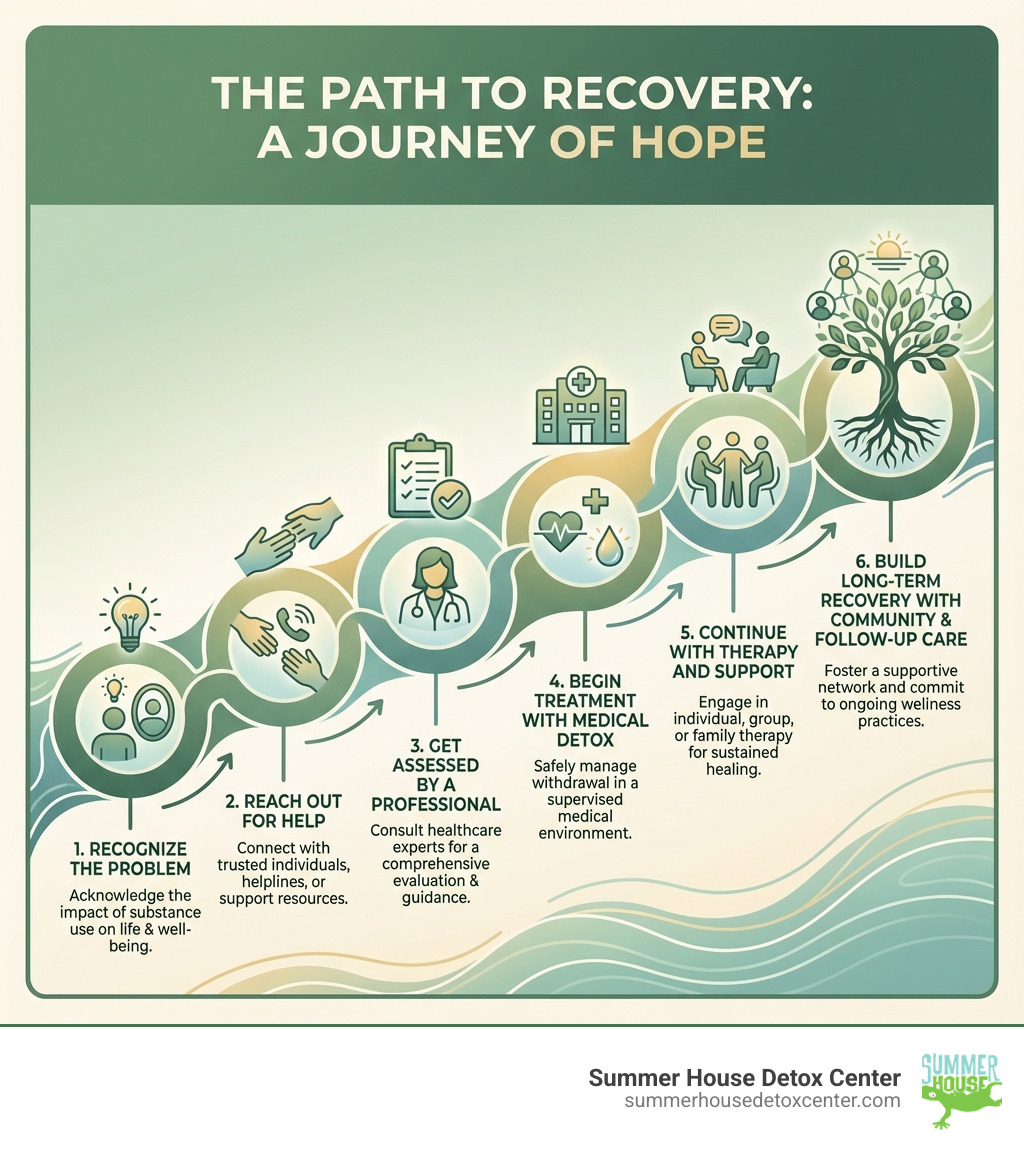
Understanding Addiction and the Path to Recovery
Understanding addiction is the first step toward finding effective substance abuse help. Addiction is a complex disease that impacts the brain and behavior, and it’s certainly not a sign of moral weakness. We know that experiencing a substance use disorder can feel isolating, but you’re not alone, and recovery is within reach.
Recognizing the signs of a substance use disorder in yourself or a loved one is crucial. These signs can manifest in various ways, such as continuing to use a substance despite negative consequences, experiencing withdrawal symptoms when trying to stop, neglecting responsibilities, or developing a tolerance to the substance. For a more in-depth look, you can explore our guide on Recognizing the Early Signs of Addiction: When to Seek Help.
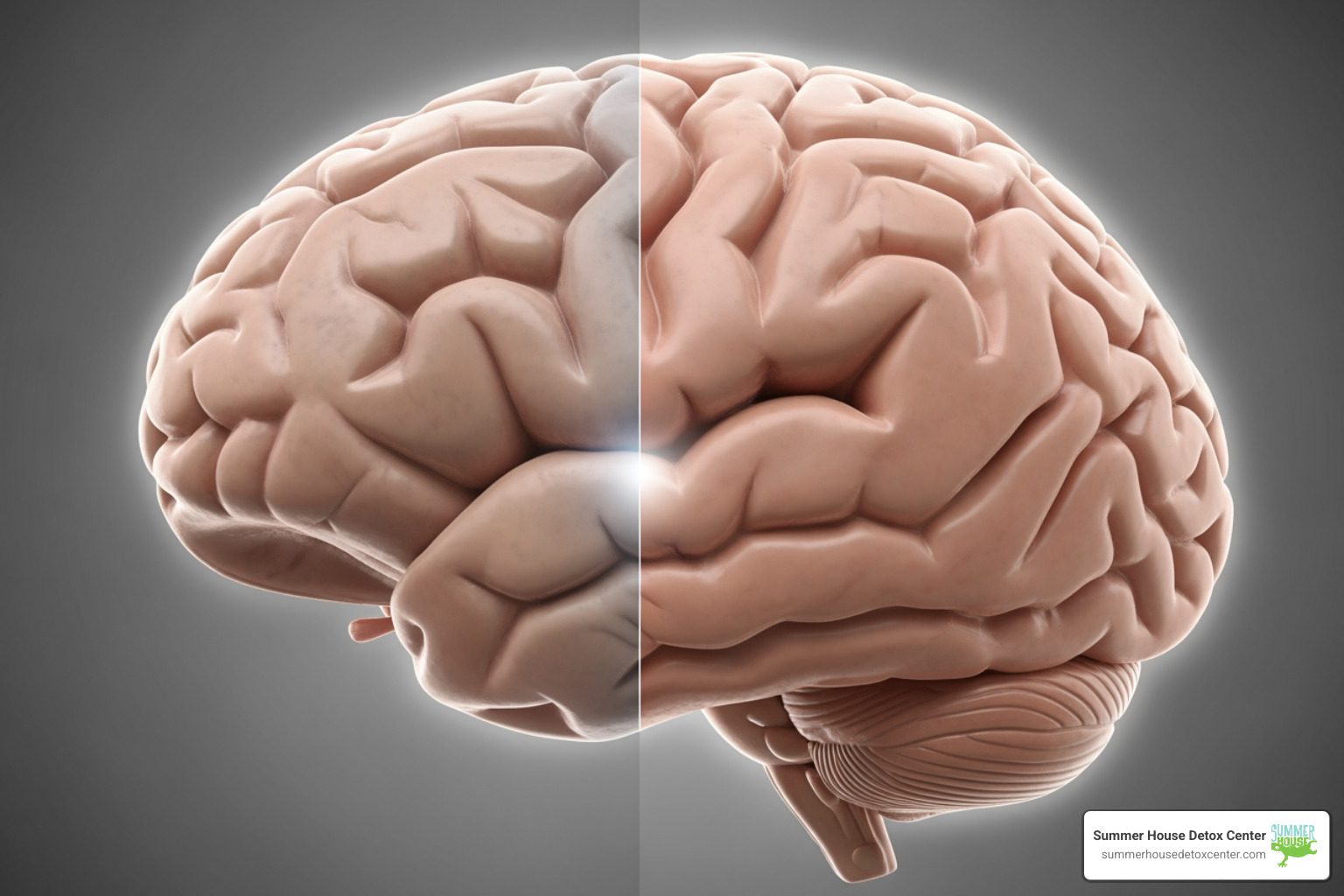
Addiction is recognized as a chronic disease, much like asthma or heart disease. It involves changes in brain chemistry and function, particularly in areas responsible for reward, motivation, memory, and impulse control. Over time, substance use can alter the brain’s natural reward system, making it difficult to find pleasure in everyday activities and reinforcing the compulsive need for the substance. Our article, Does Alcohol Addiction Change the Way the Brain Works?, further explains these changes.
Embracing the idea that addiction is a disease, not a moral failing, helps to reduce stigma and encourages individuals to seek the help they deserve. As we explore in Why Addiction Is Not a Moral Failing, understanding this fundamental truth is empowering.
Recovery is a process, a journey that involves healing the brain and learning new coping mechanisms. It’s about regaining control of your life and building a healthier future.
What Does Recovery from Addiction Look Like?
When we talk about recovery, it’s vital to understand that it’s not about finding a “cure” for addiction. Instead, addiction treatment is a way of managing a chronic condition, similar to how one would manage diabetes or hypertension. Just as these conditions require ongoing care and lifestyle adjustments, so does addiction. Treatment helps individuals counteract the powerful effects of addiction and regain control of their lives.
The Substance Abuse and Mental Health Services Administration (SAMHSA) defines recovery as “a process of change through which individuals improve their health and wellness, live self-directed lives, and strive to reach their full potential.” This definition emphasizes that recovery is a deeply personal journey focused on holistic well-being and empowering individuals to build meaningful lives free from the grip of substance use. It’s about more than just abstinence; it’s about change. For insights into continuing your journey, see Life After Detox: Building a Strong Foundation for Long-Term Sobriety.
How Is Relapse Managed in Treatment?
One of the most common concerns for individuals and their loved ones is the fear of relapse. We want to be clear: relapse to drug use does not mean treatment has failed. Relapse is a common part of the recovery process for many individuals struggling with addiction. It’s important to view it as a signal to adjust the treatment plan, not as a personal failure or an indication that recovery is impossible.
In fact, relapse rates for drug use are similar to rates for other chronic medical illnesses like high blood pressure and asthma. Just as someone with asthma might experience a flare-up that requires adjusting their medication or lifestyle, a person in recovery might experience a relapse that calls for a re-evaluation of their treatment strategy. Effective treatment programs incorporate relapse prevention strategies, helping individuals identify triggers and develop coping mechanisms. If you’re looking for ways to prevent a return to substance use, our article on 7 Effective Ways to Avoid Relapse After Alcohol Rehab offers valuable advice. For more in-depth information, the National Institute on Drug Abuse (NIDA) provides a comprehensive guide on the Principles of Drug Addiction Treatment: A Research-Based Guide.
How to Support a Loved One with Addiction
Supporting a friend or family member struggling with addiction can be challenging, but your role can be incredibly impactful. One of the most important aspects is avoiding enabling behaviors. Enabling often stems from a desire to help, but it can inadvertently prolong the addiction by shielding the individual from the natural consequences of their actions. This might include making excuses for them, providing financial support that fuels their substance use, or taking on their responsibilities.
Instead, we encourage setting clear boundaries. These boundaries protect your well-being while also communicating that you care about their health and recovery. Encouraging professional help is paramount. Addiction is a complex disease that requires professional intervention, not just willpower.
Family therapy can play a crucial role in the recovery process, addressing family dynamics that may contribute to the addiction and helping family members heal. You can learn more about The Role of Family Therapy in Substance Abuse Treatment. For specific guidance on supporting a partner, read How to Help a Spouse With Addiction. Additionally, understanding The Role of Emotional Support During Detox: How Family and Friends Can Help can provide valuable insights during this critical phase.
Your First Steps to Finding Substance Abuse Help in Florida
Taking the first step to seek substance abuse help is often the hardest, but it’s also the most courageous. It means acknowledging a problem and deciding to start on a journey of healing. We understand that overcoming the stigma associated with addiction can be a significant barrier. Many people fear judgment or repercussions, which can prevent them from reaching out. However, seeking help is a sign of strength, not weakness. Our article Breaking the Stigma: Speaking Openly About Getting Help emphasizes the importance of open communication.
For those of us in Florida, there are numerous resources available specifically within our state and local communities like Miami, designed to provide the support you need.

How to Find Local Substance Abuse Help
Starting your search for substance abuse help can feel overwhelming, but a great first point of contact is often your family doctor or nurse practitioner. These primary care providers can evaluate your situation, discuss treatment options, and provide referrals to specialized mental health and addiction service providers. They can be a vital bridge to the care you need.
To find treatment providers in Florida, several online resources can guide you:
- FindTreatment.gov: This federal resource allows you to search for substance use disorder treatment facilities by location, type of service, and payment options. It’s a comprehensive tool for finding local help.
- Florida Department of Children and Families (DCF) – Substance Abuse and Mental Health: The Florida DCF offers information and resources related to substance abuse and mental health services across the state. Visit their page at Substance Abuse and Mental Health | Florida DCF.
- Florida Department of Health – Substance Use Disorder: This resource provides information on prevention and treatment initiatives within Florida. Explore their offerings at Substance Use Disorder – Florida Department of Health.
Immediate Support in a Crisis
If you or someone you know is in immediate crisis, don’t hesitate to reach out for urgent substance abuse help. Several crisis hotlines are available 24/7:
- 988 Suicide & Crisis Lifeline: You can call or text 988 anytime for free, confidential support if you’re experiencing a mental health crisis or thoughts of suicide. Visit 988 Suicide & Crisis Lifeline for more information.
- SAMHSA National Helpline: This national helpline (1-800-662-4357) provides confidential treatment referral and information services in English and Spanish for individuals and families facing mental and/or substance use disorders.
- You can also text HELP4U to 435748 for support.
- In life-threatening emergencies, always call 911.
The initial phase of stopping substance use, known as detoxification, can be medically complex and even dangerous depending on the substance. Seeking professional medical supervision during this time is critical. Our article, Why Medical Detox Is a Vital First Step in Recovery, explains the importance of this medically supported process.
Accessing Harm Reduction Services
Harm reduction is a pragmatic approach that aims to minimize the negative health, social, and economic consequences associated with substance use. It’s not about condoning substance use but rather about reducing harm and saving lives, especially while individuals are preparing for or engaging in treatment.
In Florida, harm reduction services often include overdose prevention initiatives and access to naloxone. Naloxone is a life-saving medication that can rapidly reverse an opioid overdose. Many local health departments and pharmacies in Florida offer naloxone without a prescription. It’s a crucial tool for anyone at risk of an opioid overdose or who might witness one. We’ve discussed the availability and importance of this medication in our article, Soaring Costs: Naloxone.
While specific needle exchange programs may vary by county in Florida, the overarching goal of harm reduction is to meet individuals where they are and provide resources that reduce risks, prevent disease transmission, and offer pathways to treatment when they are ready.
Navigating Treatment Programs: From Detox to Long-Term Care
Once you’ve decided to seek substance abuse help, navigating the different treatment programs can seem like a maze. However, understanding the principles of effective treatment can help guide your choices. Effective treatment is never a one-size-fits-all solution; it’s highly personalized. It addresses the individual’s specific patterns of drug use, co-occurring medical or mental health issues, and social problems.
At Summer House Detox Center, we strongly believe in personalized care, ensuring that each individual receives a treatment plan custom to their unique needs and circumstances. Our approach, highlighted in The Importance of Personalized Care in Detox, focuses on comfort, dignity, and support.
The best treatment programs address the “whole person.” This means looking beyond just the substance use and considering all aspects of an individual’s life—medical, mental, social, occupational, family, and legal needs. Stopping drug use is only one part of a comprehensive recovery process.
What Are the Different Levels of Care?
Treatment for substance use disorders comes in various forms, often referred to as “levels of care.” These levels differ in intensity, structure, and duration, allowing for a custom approach to substance abuse help.
| Level of Care | Description (W
