Addiction Recovery Is Possible — Here’s How to Start

Addiction recovery is one of the most important journeys a person can take — and it’s more achievable than many people believe.
If you’re looking for a quick overview of your options, here’s what recovery typically involves:
- Recognize the problem — Honest self-assessment is the first step
- Seek medical detox — Safely manage withdrawal with professional supervision
- Choose a treatment program — Inpatient, outpatient, or partial hospitalization
- Build a support system — Therapy, peer groups, family involvement
- Develop coping skills — Manage cravings, stress, and triggers daily
- Create an aftercare plan — Sober living, coaching, and ongoing support
Here’s something worth knowing before we go further: addiction is not a character flaw. It’s not a sign of weakness. It’s a medical condition that changes how the brain works — and like other chronic conditions, it responds to proper treatment.
1 in 6 Americans has experienced a substance use disorder. That’s tens of millions of people. You are not alone, and you are not beyond help.
Whether you’ve tried to get sober before and struggled, or you’re taking your first serious look at recovery, this guide is for you. We’ll walk through every stage — from recognizing a problem to building a meaningful, drug-free life — with clear, honest information to help you take the next step.
If you’re in Miami or anywhere in Florida, compassionate, medically supervised support is within reach.
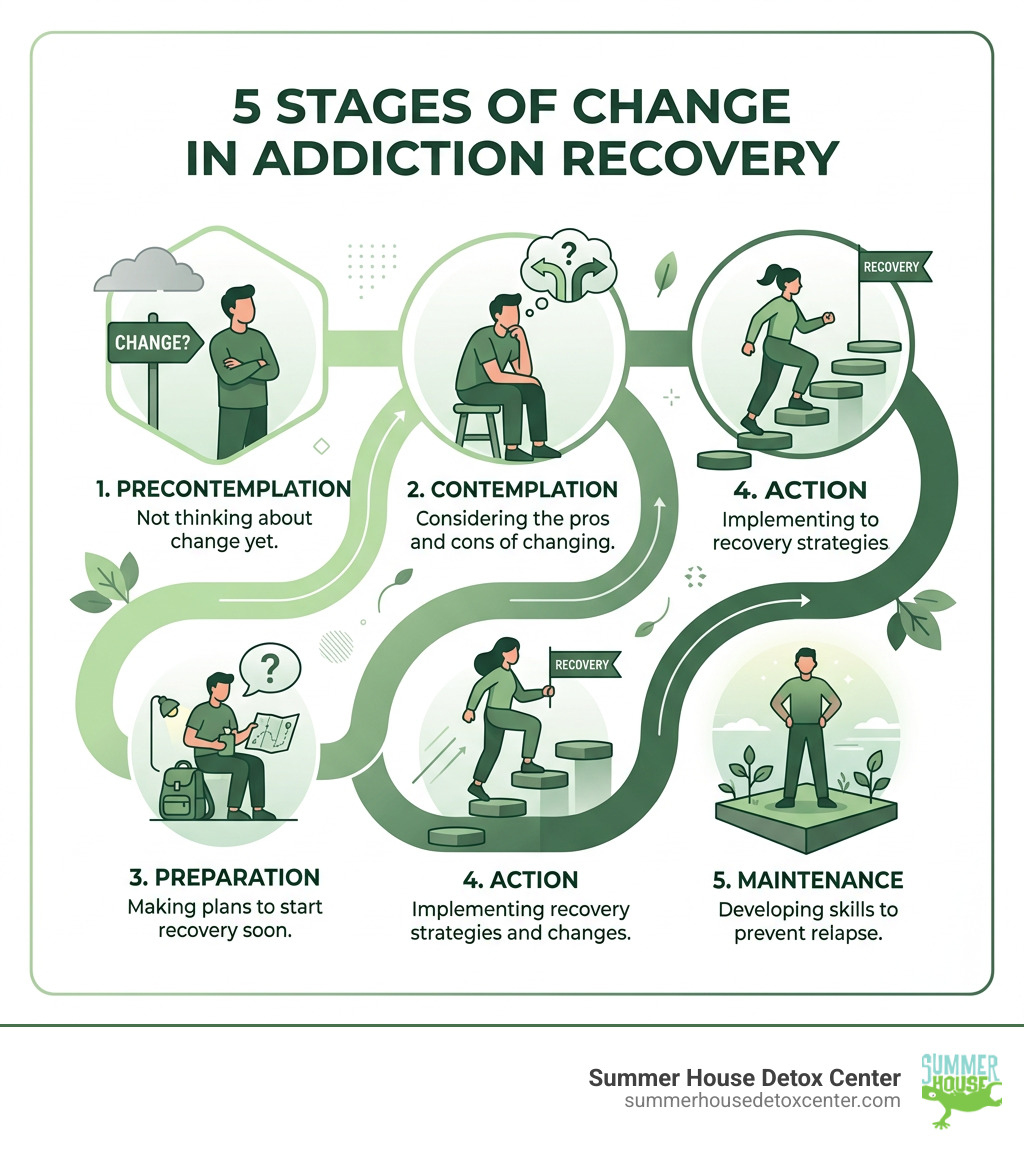
Addiction recovery word guide:
Understanding Addiction Recovery: More Than Just Abstinence
When we talk about addiction recovery, many people assume it simply means “not using drugs or alcohol.” While stopping the use of substances is a critical component, it is only the beginning. True recovery is an intentional, self-directed journey toward a healthier, more meaningful life.
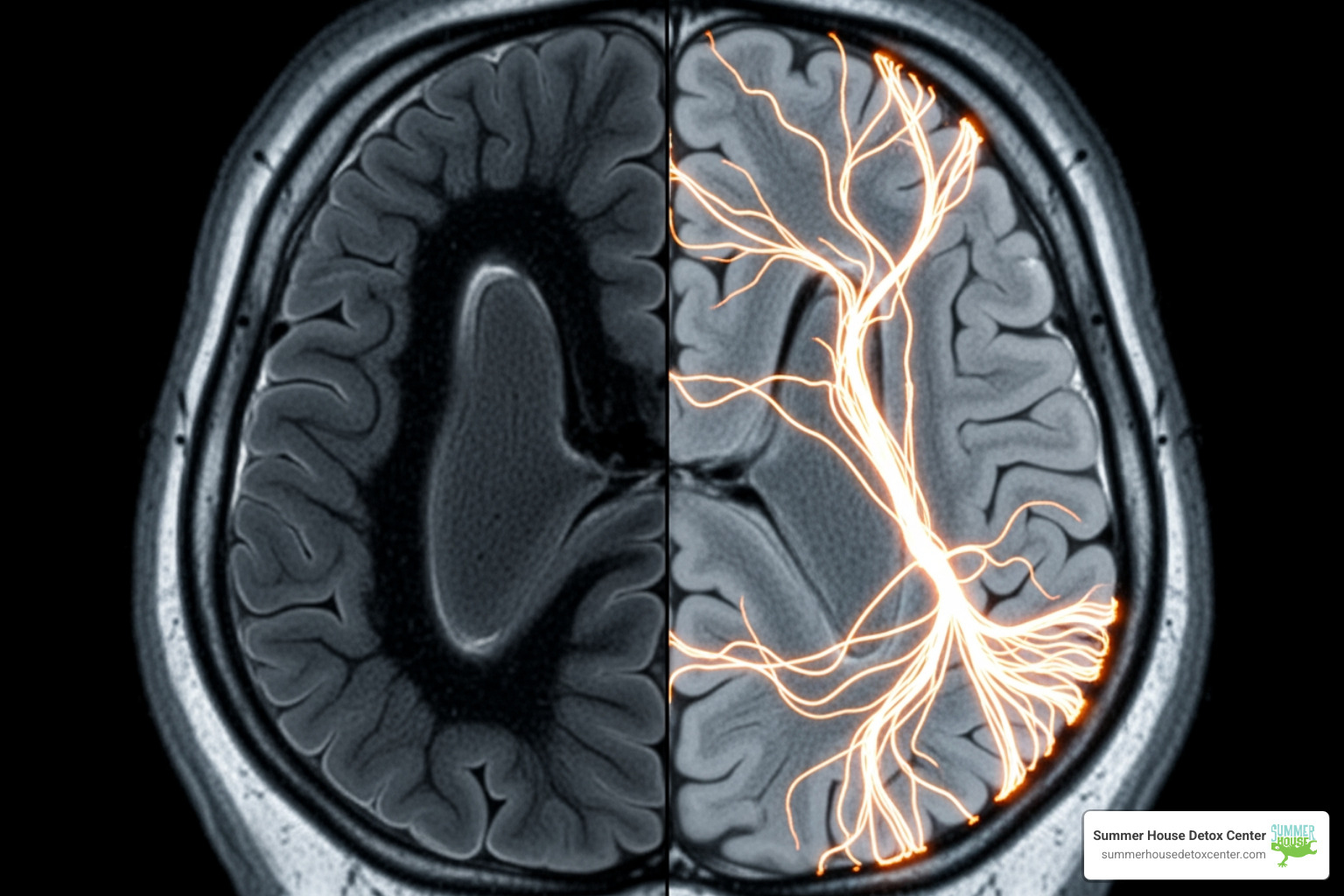
Think of it this way: abstinence is the act of not doing something. Recovery is the act of building something new. It involves neuroplasticity—the brain’s incredible ability to heal and reorganize itself after the damage caused by chronic substance use. This process of change encompasses your physical well-being, psychological health, and social reintegration.
To truly understand the depth of this journey, we must first look at What is Addiction? and how Addiction hijacks the brain’s reward system. When someone is in the throes of a substance use disorder, their brain becomes wired to prioritize the substance above all else, including food, sleep, and relationships. Recovery is the process of reclaiming that autonomy.
Defining the Journey Beyond Sobriety
In the clinical world, we often use terms like “remission” to describe the absence of symptoms. However, the recovery community views it through a wider lens. It is about “citizenship”—becoming a productive, connected member of your community again.
Successful long-term addiction recovery relies heavily on what experts call “recovery capital.” This refers to the internal and external resources a person can draw upon to initiate and sustain their sobriety.
- Personal Capital: Your physical health, financial resources, and mental resilience.
- Social Capital: Supportive family, friends, and peer groups.
- Community Capital: Access to quality Rehabilitation, stable housing, and employment opportunities.
By focusing on these areas, an individual moves from “just getting by” to thriving in a life where drugs or alcohol no longer have a place.
The First Steps and Treatment Options for Addiction Recovery
The road to addiction recovery usually starts with a moment of clarity—a realization that the “pros” of using no longer outweigh the heavy “cons.” Recognizing the problem is a brave act. It takes immense strength to admit that willpower alone isn’t enough to overcome the physiological changes caused by substance use.
The statistics are sobering: in 2022, approximately 6.1 million people in the U.S. aged 12 and older struggled with an opioid use disorder, and 4.5 million dealt with stimulant use disorders. If you are feeling overwhelmed, you are part of a large community of people seeking a better way to live.
Once you’ve committed to change, the next step is choosing the right level of care. There is no “one-size-fits-all” approach.
| Feature | Inpatient Treatment | Outpatient Treatment |
|---|---|---|
| Setting | 24/7 residential facility | Live at home, attend sessions |
| Duration | 30 days to several months | Several weeks to over a year |
| Intensity | High; fully immersive | Moderate; flexible for work/school |
| Best For | Severe addiction & co-occurring disorders | Mild to moderate addiction |
| Environment | Controlled, trigger-free | Real-world environment |
Finding Professional Help for Addiction Recovery in Florida
For those of us in the Miami area, we have access to some of the best resources in the country. Florida is also home to “Good Samaritan” laws, which protect individuals who report an overdose from certain legal repercussions—a vital policy aimed at saving lives.
At Summer House Detox Center, we believe that Detox Services are the essential foundation of the entire process. Attempting to “quit cold turkey” at home can be not only painful but, in cases involving alcohol or benzodiazepines, life-threatening.
Why Medical Detox is a Vital First Step in Recovery cannot be overstated. It allows you to clear the substances from your body in a safe, dignified, and comfortable environment. Our staff—many of whom have walked this path themselves—understand the fear and discomfort involved. By providing medical supervision, we ensure that withdrawal symptoms are managed effectively, which significantly reduces the risk of early relapse. How Detox is the First Step to Long-Term Sobriety: Building a Strong Foundation for Recovery is about giving your brain and body the clean slate they need to begin healing.
Evidence-Based Clinical Interventions
Modern addiction recovery is backed by rigorous science. We now use a variety of “Evidence-Based Practices” (EBPs) that have been proven to help people stay sober longer.
- Medication-Assisted Treatment (MAT): For those with opioid or alcohol use disorders, medications like buprenorphine or naltrexone can stabilize brain chemistry, reduce cravings, and block the “high” of the substance.
- Cognitive Behavioral Therapy (CBT): This helps you identify and change the thought patterns that lead to drug use.
- Motivational Enhancement Therapy (MET): This is designed to resolve ambivalence about stopping drug use and increase your internal motivation to change.
Understanding From Detox to Recovery: The Next Steps After Completing a Detox Program is vital. Detox clears the body, but therapy and clinical interventions heal the mind.
Building Your Foundation: Support Systems and Coping Strategies
No one recovers in a vacuum. A strong support system is often the deciding factor in long-term success. This includes professional help, but it also heavily relies on peer support and family involvement.
Family members often suffer alongside the person with the addiction. That is why The Role of Family Therapy in Substance Abuse Treatment is so important. It helps repair broken trust, improves communication, and ensures that the home environment is supportive of sobriety rather than enabling of old habits.
Peer support groups are another cornerstone of addiction recovery. You have several options:
- 12-Step Programs (AA/NA): These are the most well-known, focusing on spiritual growth and the support of a sponsor.
- SMART Recovery: A science-based alternative that emphasizes self-empowerment and self-reliance using cognitive tools.
- Narcotics Anonymous (NA): A global community of people helping each other stay drug-free.
Healthy Coping Mechanisms for Daily Life
In the early stages of addiction recovery, cravings can feel like overwhelming waves. Learning how to “ride” these waves is a skill called urge surfing. Instead of fighting the craving (which often makes it stronger), you practice mindfulness. You notice the physical sensations—maybe a tightness in the chest or a dry mouth—and you watch them peak and eventually subside without acting on them.
Other healthy coping strategies include:
- Stress Management: Using exercise, deep breathing, or yoga to lower cortisol levels.
- Sensory Experiences: Using a cold shower, a weighted blanket, or even a strong scent like peppermint to “ground” yourself when you feel triggered.
- Routine Building: Knowing Rebuilding Your Life After Rehab: Where to Start involves creating a daily schedule that includes healthy meals, adequate sleep, and sober social interactions.
Navigating the Path to Long-Term Sobriety and Relapse Prevention
It is important to view addiction recovery as a marathon, not a sprint. Because addiction is a chronic disease—much like diabetes or hypertension—it requires ongoing management.
Relapse is a common part of the journey for many, but it is not a sign of failure. Instead, it is a signal that the treatment plan needs to be adjusted. Common triggers include “HALT” (Hungry, Angry, Lonely, Tired), as well as old “playmates and playgrounds”—the people and places associated with past drug use.
To prevent these slips, we focus heavily on Aftercare Drug Rehab. This might involve transitioning to a sober living home, where you can practice your new skills in a safe environment before returning to full independence. Life After Detox: Building a Strong Foundation for Long-Term Sobriety is about staying vigilant and connected to your support network.
Sustaining Long-Term Addiction Recovery Through Aftercare
Aftercare is the “bridge” between the structured environment of treatment and the complexities of everyday life. Successful aftercare plans often include:
- Recovery Coaching: Working with someone who provides accountability and guidance.
- Ongoing Therapy: Continuing to address underlying mental health issues or trauma.
- Community Resources: Engaging in sober recreational activities, such as sports leagues or volunteer work in Miami.
Relapse Prevention Tools List:
- Keep a list of “emergency” contacts (sponsor, therapist, supportive friend).
- Practice daily mindfulness or journaling to track your emotional state.
- Avoid high-risk situations until you feel confident in your coping skills.
- Attend regular support group meetings, even when you feel “fine.”
Frequently Asked Questions about Addiction Recovery
What is the difference between abstinence and addiction recovery?
Abstinence is simply the cessation of substance use. Recovery is a much broader, holistic process that involves improving your physical and mental health, repairing relationships, and finding a sense of purpose and “citizenship” in your community. You can be abstinent but miserable; recovery is about finding joy and stability without the need for substances.
How long does the addiction recovery process typically take?
There is no set timeline, as every individual’s journey is unique. However, research suggests that the brain often needs at least 90 days of sobriety to begin significant healing. Most experts categorize recovery into stages: early (up to 1 year), sustained (1 to 5 years), and stable (over 5 years). It is a lifelong commitment to health and self-awareness.
Is relapse considered a failure in the recovery journey?
Absolutely not. Relapse is often a part of the chronic nature of the disorder. If it happens, it is an opportunity to learn what triggered the slip and to strengthen your recovery plan. The most important thing is to seek help immediately and get back on track without shame or self-judgment.
Conclusion
Reclaiming your life from addiction is a profound transformation, but you don’t have to do it alone. At Summer House Detox Center, we provide the personalized, Miami-based care you need to start this journey with dignity. From our medically supervised detox to our compassionate staff, we are here to support you every step of the way.
The first step is often the hardest, but it is also the most rewarding. Whether you are seeking help for yourself or a loved one, a brighter, drug-free future is possible.
Reclaim your future with professional addiction recovery solutions
