
Don’t Go It Alone: Where to Find Alcohol Withdrawal Help
Understanding Alcohol Withdrawal Support
If you’re looking for alcohol withdrawal support, here are the main ways to find help:
- Medical Detox Facilities: These are the safest places for severe alcohol dependence, offering 24/7 medical care.
- Outpatient Programs: Good for milder cases, letting you get medical guidance while living at home.
- Emergency Departments: Go immediately if you have seizures, hallucinations, or feel very ill.
- Healthcare Providers: Your doctor or an addiction specialist can offer guidance and referrals.
- Support Groups: Groups like Alcoholics Anonymous (AA) provide valuable peer support.
- Helplines: Use these for quick, confidential advice and information on local resources.
Many people struggle with alcohol. In fact, millions of adults in the United States have alcohol use disorder (AUD). If you’re thinking about stopping drinking, you might feel overwhelmed or even scared. This is a common and normal reaction. Your body can become very dependent on alcohol. When you stop, your brain and body react strongly. This reaction is called alcohol withdrawal.
Alcohol withdrawal symptoms can be uncomfortable, and sometimes, very dangerous. Your brain, which got used to alcohol’s calming effect, becomes overexcited without it. This can lead to serious health risks like seizures or delirium tremens. Trying to stop on your own, especially after heavy drinking, can be unsafe. That’s why professional medical help is so important. It ensures your safety and comfort during this critical time.
Discover more about alcohol withdrawal support:
Professional Alcohol Withdrawal Support: Why Medical Supervision Matters
When we talk about stopping drinking, the phrase “cold turkey” often comes up. While it sounds brave, in addiction medicine, it can be a recipe for disaster. Alcohol is a powerful central nervous system depressant. Over time, your brain adapts to its presence by turning down its “calming” receptors (GABA) and ramping up its “exciting” chemicals (glutamate) to stay balanced.
When alcohol is suddenly removed, the brakes are gone, but the engine is still revving at 100 miles per hour. This creates a massive glutamate surge, leading to what we call CNS overexcitation. This isn’t just a matter of feeling “jittery.” It can manifest as dangerous spikes in blood pressure, heart rate, and, most critically, a high risk for seizures and Delirium Tremens (DTs).
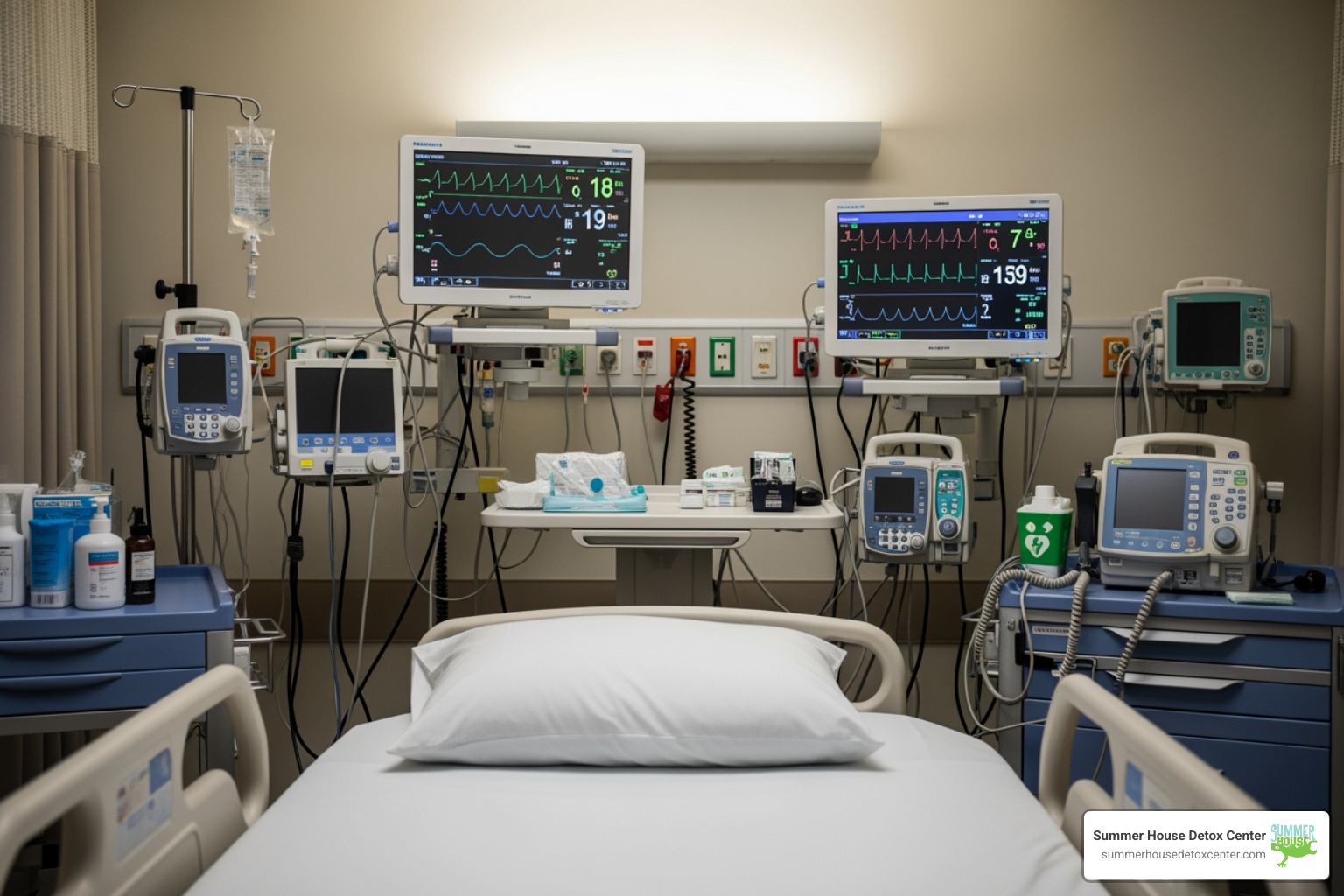
At Summer House Detox Center, we emphasize that medical stabilization is the gold standard for a reason. In a professional setting, you receive 24/7 monitoring. This means that if your heart rate climbs or a tremor worsens, medical professionals are there to intervene instantly. Understanding why you should choose alcohol detox at rehab vs at home detox is often the difference between a traumatic experience and a safe, dignified transition to sobriety.
Medications Used in Alcohol Withdrawal Support
The primary goal of medical alcohol withdrawal support is to keep you safe and comfortable. We do this largely through the use of benzodiazepines. These medications act on the same receptors as alcohol, effectively “tricking” the brain into thinking it is still sedated, which prevents the dangerous glutamate surge.
Commonly used medications include:
- Diazepam (Valium): Known for its long half-life, which provides a smooth “taper” as the drug leaves the system.
- Chlordiazepoxide (Librium): A classic choice for alcohol detox due to its safety profile and effectiveness in preventing seizures.
- Lorazepam (Ativan): Often preferred for older adults or those with liver damage, as it is easier for the liver to process.
Medical teams often use “symptom-triggered dosing.” Instead of giving you a pill every four hours regardless of how you feel, they assess your symptoms and provide medication only when needed. This prevents over-sedation while ensuring you never suffer needlessly. It is also vital to be honest with your clinical team about other substances you may be using; for instance, understanding the dangers of mixing methadone and benzodiazepines is crucial for your safety during the stabilization phase.
Clinical Assessment and the CIWA-Ar Scale
How do doctors know how much help you need? They don’t guess. They use standardized diagnostic tools, the most famous being the CIWA-Ar (Clinical Institute Withdrawal Assessment for Alcohol).
During a CIWA assessment, a nurse will evaluate several categories, including:
- Nausea and Vomiting: Are you feeling sick or actually getting sick?
- Tremor: When you extend your arms, is there a visible shake?
- Anxiety Levels: Do you feel mildly nervous or full-blown panicked?
- Sweating (Paroxysmal Sweats): Is your skin damp, or are you drenched?
- Agitation: Can you sit still, or are you pacing the room?
- Visual/Auditory Disturbances: Are you seeing or hearing things that aren’t there?
By assigning a score to these symptoms, we can create a personalized treatment plan. A low score might mean you just need rest and hydration, while a high score (usually above 15-20) indicates a need for immediate medication to prevent complications.
The Alcohol Withdrawal Timeline: What to Expect
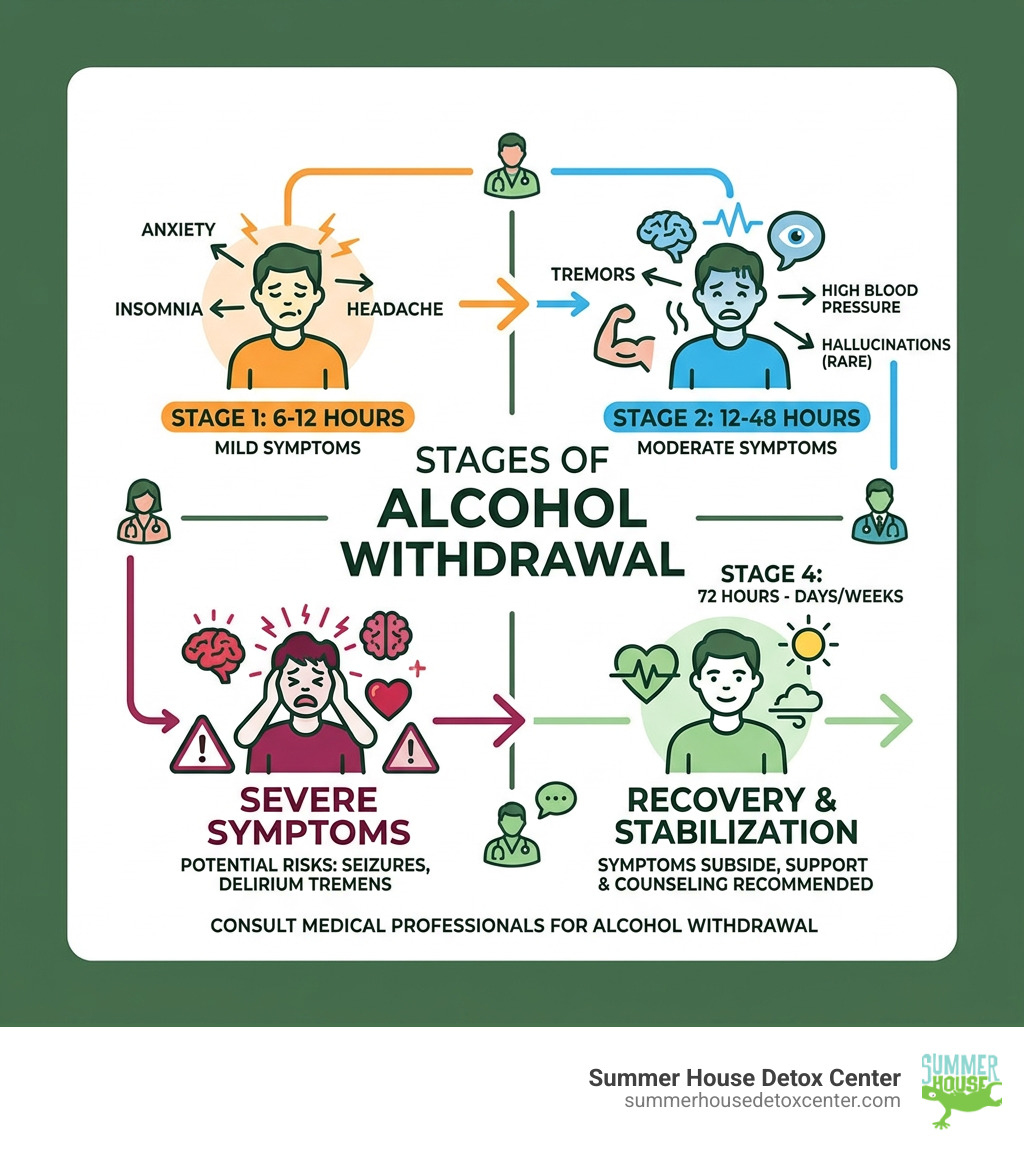
The timeline for withdrawal is not the same for everyone, but it generally follows a predictable pattern based on how long it has been since your last drink.
| Phase | Timeframe | Common Symptoms |
|---|---|---|
| Stage 1: Mild | 6–12 Hours | Anxiety, insomnia, nausea, abdominal pain, and minor tremors. |
| Stage 2: Moderate | 12–48 Hours | Increased blood pressure, rapid heart rate, confusion, and mild hallucinations. |
| Stage 3: Severe | 48–72+ Hours | Seizures, Delirium Tremens (DTs), severe agitation, and fever. |
The “peak” of withdrawal usually occurs between 24 and 72 hours. This is the “danger zone” where autonomic hyperactivity (racing heart, sweating, high blood pressure) is most likely to occur. While most physical symptoms begin to fade after five to seven days, some people experience Post-Acute Withdrawal Syndrome (PAWS). This can involve months of irritability, sleep issues, and cravings. Seeking professional alcohol detox in Florida ensures that you have a roadmap for both the acute and long-term phases of recovery.
Risk Factors for Severe Complications
While anyone who drinks heavily can experience withdrawal, certain factors make the process much more dangerous:
- History of Seizures or DTs: If you’ve had severe withdrawal before, your brain is “kindled,” meaning future withdrawals are likely to be even worse.
- Heavy Daily Use: Consuming more than 15 drinks per day for men or 8 for women significantly increases risk.
- Age Over 65: Older adults often have more fragile systems and co-occurring health issues that complicate detox.
- Nutritional Deficiencies: Chronic drinking often leads to a thiamine (Vitamin B1) deficiency. Without thiamine, you are at risk for Wernicke’s encephalopathy, a life-threatening brain disorder.
- Co-occurring Disorders: Existing mental health issues or physical illnesses like liver disease or infections can make withdrawal symptoms more intense.
Choosing the Right Detox Setting: Inpatient Medical Detox in Florida
In Florida, we are fortunate to have some of the highest standards for addiction care in the country. When looking for the best alcohol detox centers, the setting matters immensely.
Many people wonder if they can just “sweat it out” at home. While possible for very mild cases, it is often risky and unnecessarily painful. In an inpatient setting like Summer House Detox Center in Miami, you aren’t just a patient; you are a guest. We focus on:
- Comfort and Dignity: Detox doesn’t have to be a cold, clinical experience. We provide a warm environment where you can rest.
- Experienced Staff: Many of our team members are in recovery themselves. They don’t just know the science; they know the feeling.
- Immediate Resources: If a complication arises at 3:00 AM, you don’t have to wait for an ambulance. Help is already in the room.
Choosing an alcohol detox center or a dedicated alcohol detoxification center ensures that you are surrounded by professionals who specialize solely in getting you through the first week of sobriety safely.
How Families Can Provide Support During Detox
If you are a friend or family member of someone going through withdrawal, your role is vital, but it must be balanced with boundaries. You cannot “fix” the addiction, but you can support the recovery.
- Emotional Presence: Sometimes just sitting with a loved one and talking about non-triggering topics can lower their anxiety.
- Removing Triggers: Ensure the home is a “dry” zone. Remove all alcohol, including mouthwashes or cooking extracts that contain it.
- Monitoring Symptoms: If they are attempting a home-based detox (only if cleared by a doctor!), stay with them. Watch for confusion or heavy tremors. If they seem “out of it,” call 911 immediately.
- Participating in Education: Learn about the disease. Understanding 8 effective ways to prevent the onset of alcohol abuse can help you guide them after they leave detox.
- Setting Boundaries: Support doesn’t mean enabling. It’s okay to say, “I love you, and I will support your detox, but I won’t buy you a ‘taper’ drink.”
Essential Self-Care and Nutritional Support During Detox
Your body has been through a war, and it needs supplies to rebuild. Proper nutrition and hydration are not just “extras”—they are fundamental to alcohol withdrawal support.
- Hydration Protocols: Alcohol is a diuretic, and withdrawal often involves sweating and vomiting. We recommend at least 3 liters of non-caffeinated fluids a day. Water, broth, and electrolyte drinks are your best friends.
- High-Carbohydrate Snacks: Interestingly, the brain often confuses alcohol cravings with sugar cravings. Having high-carb snacks or fruit can help settle the “urge” to drink.
- Vitamin Supplementation: As mentioned, thiamine is critical. Most medical detoxes will provide a “banana bag” (IV fluids with vitamins) or oral supplements including B1, B12, and folic acid.
- The Power of Food: Incorporating seven healthy foods that can help with alcohol detox—like leafy greens, lean proteins, and whole grains—provides the amino acids your brain needs to start producing its own “feel-good” chemicals again.
Life After Detox: Long-Term Relapse Prevention
Detox is the beginning, not the end. Think of it as clearing the rubble before you start building a house. Once the alcohol is out of your system, the real work of recovery begins.
Many people ask, “how long will my alcohol addiction recovery last?” The answer is that while the acute phase is short, staying sober is a lifelong journey. To help, several long-term medications can be used:
- Acamprosate: Helps the brain’s chemistry return to normal and reduces the “emotional” cravings.
- Naltrexone: Blocks the “high” of alcohol. If you do slip up and drink, it won’t feel rewarding, which helps stop a lapse from becoming a full-blown relapse.
- Disulfiram (Antabuse): This makes you physically ill if you drink alcohol. It serves as a powerful psychological deterrent.
Beyond medication, behavioral therapies like Cognitive Behavioral Therapy (CBT) help you identify your triggers—like stress, certain friends, or specific places—and give you the tools to handle them without a bottle. Peer support groups like AA or SMART Recovery provide a community of people who truly understand your walk.
Frequently Asked Questions about Alcohol Withdrawal
Is it safe to quit alcohol “cold turkey” at home?
For most people with a moderate to severe dependence, the answer is no. The risk of seizures and Delirium Tremens is too high to manage without medical supervision. Even if you don’t experience life-threatening symptoms, the discomfort of home detox often leads to a quick relapse just to stop the pain.
When should I seek immediate medical attention for alcohol withdrawal?
You should go to the emergency room or call 911 if you experience:
- Seizures (even a single one).
- Hallucinations (seeing, hearing, or feeling things).
- Severe confusion or disorientation.
- A heart rate over 120 beats per minute.
- Extreme fever or drenching sweats.
- Thoughts of self-harm.
What is the difference between a hangover and withdrawal?
A hangover is a short-term reaction to a single episode of heavy drinking, usually involving dehydration and toxic byproducts of alcohol. It lasts about 24 hours. Withdrawal is a physiological “rebound” of the nervous system after it has adapted to chronic alcohol use. Withdrawal is much more dangerous and lasts significantly longer.
Conclusion
Taking the step to seek alcohol withdrawal support is one of the bravest things you can do. It is a declaration that you deserve a better, healthier life. At Summer House Detox Center, we are dedicated to making that transition as smooth as possible. Our Miami-based facility is designed to provide you with personalized care that respects your dignity and prioritizes your comfort.
With a team that includes individuals who have walked this path themselves, we offer more than just medical supervision—we offer hope. If you or a loved one is ready to break free from the cycle of addiction, don’t try to do it alone. Reach out to us to learn more about our alcohol detox services and how we can help you start your journey to recovery today.
For more information on starting your journey, see our guides on:
