
Why Finding the Right Alcohol Detox Clinic Can Save Your Life
An alcohol detox clinic provides medically supervised withdrawal management, typically lasting 7-10 days, with 24/7 monitoring to prevent life-threatening complications like seizures and delirium tremens. These facilities offer medications (benzodiazepines, thiamine), nutritional support, and a safe environment to help your body safely eliminate alcohol while managing withdrawal symptoms.
Quick Guide to Alcohol Detox Clinics:
- Inpatient facilities offer round-the-clock medical care and are safest for moderate to severe alcohol dependence
- Outpatient programs provide less intensive support for mild cases but carry higher relapse risks
- Medically supervised detox reduces the risk of severe withdrawal complications by approximately 90%
- Duration typically ranges from 7-10 days, though some symptoms may persist longer
- Insurance often covers detox services under the Affordable Care Act’s mental health parity requirements
Many people who struggle with alcohol addiction are reluctant to seek help. Common misconceptions frame addiction as a moral failing or weakness of character. The truth is simpler and more hopeful: addiction is a disease, and asking for help is a sign of strength, not weakness.
If you’ve been drinking heavily for an extended period, simply stopping “cold turkey” is dangerous. Your body has adapted to alcohol’s presence. When you suddenly remove it, your central nervous system can go into overdrive, causing symptoms ranging from anxiety and tremors to potentially fatal seizures and delirium tremens.
Alcohol detoxification is not just about stopping drinking. It’s a medical process that requires professional supervision to keep you safe and comfortable while your body readjusts. This is especially true in Florida, where the warm climate and active recovery community make it an ideal location for beginning your journey to sobriety.
Roughly 10% of people undergoing detox experience severe withdrawal symptoms. For those with a history of heavy drinking, the risk of life-threatening complications makes professional medical detox not just advisable—it’s essential.
The good news? With the right support and medical care, you can safely steer withdrawal and take the first real step toward lasting recovery. In Miami and throughout Florida, accredited alcohol detox clinics provide the structured, compassionate environment you need to begin healing.
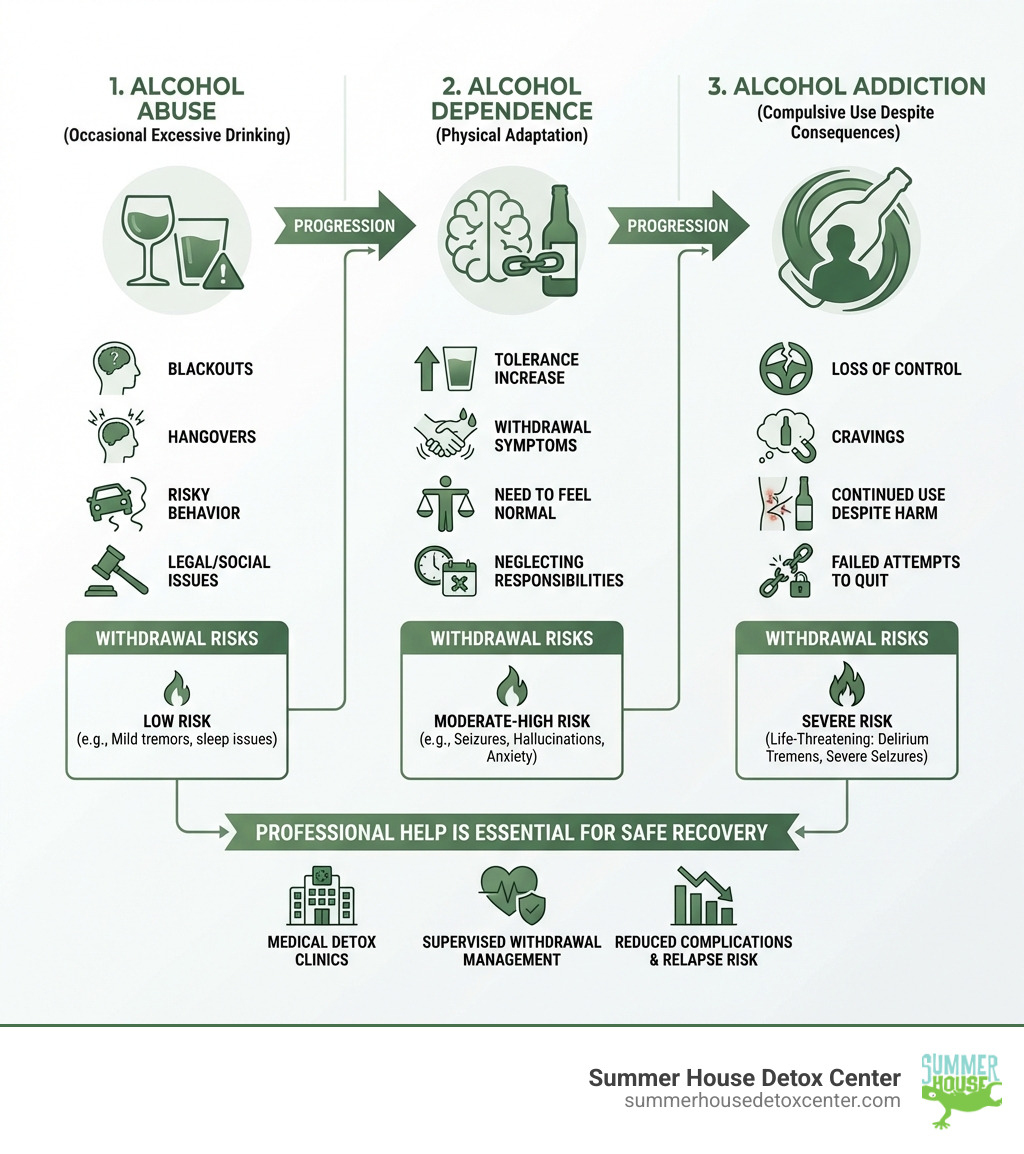
Simple alcohol detox clinic word guide:
Understanding Alcohol Withdrawal: Why Professional Detox is Crucial
When someone regularly consumes alcohol, their body and brain begin to adapt to its presence. Alcohol is a central nervous system depressant, meaning it slows down brain activity. Over time, the brain compensates by increasing excitatory neurotransmitters to maintain a sense of balance. This adaptation leads to physiological dependence. When alcohol is suddenly removed, these excitatory neurotransmitters go into overdrive, resulting in the uncomfortable and potentially dangerous symptoms of alcohol withdrawal. This process is deeply rooted in how alcohol abuse affects the brain.
The symptoms of alcohol withdrawal can vary widely in severity and type, manifesting over a specific timeline:
- 6-12 Hours After Last Drink: Early symptoms often appear, including anxiety, headaches, nausea, vomiting, stomach cramps, and tremors (the “shakes”). You might also experience increased heart rate, blood pressure, and sweating. These are the body’s first signs of distress as it tries to function without alcohol.
- 12-24 Hours After Last Drink: Symptoms can intensify. Hallucinations (auditory, visual, or tactile) may begin, though they are usually transient. This is also when the risk of seizures starts to increase for some individuals.
- 24-48 Hours After Last Drink: The peak intensity of withdrawal symptoms typically occurs during this period. The risk of seizures is highest around 24 hours after the last drink.
- 48-72+ Hours After Last Drink: This is the critical window for the most severe complication: Delirium Tremens (DTs). While the body normally detoxes from alcohol within 4-5 days, the most severe alcohol withdrawal symptoms can persist for several days.
Understanding how your body reacts to alcohol withdrawal highlights why professional medical supervision is not just helpful, but often necessary. Without it, the risks are significant.
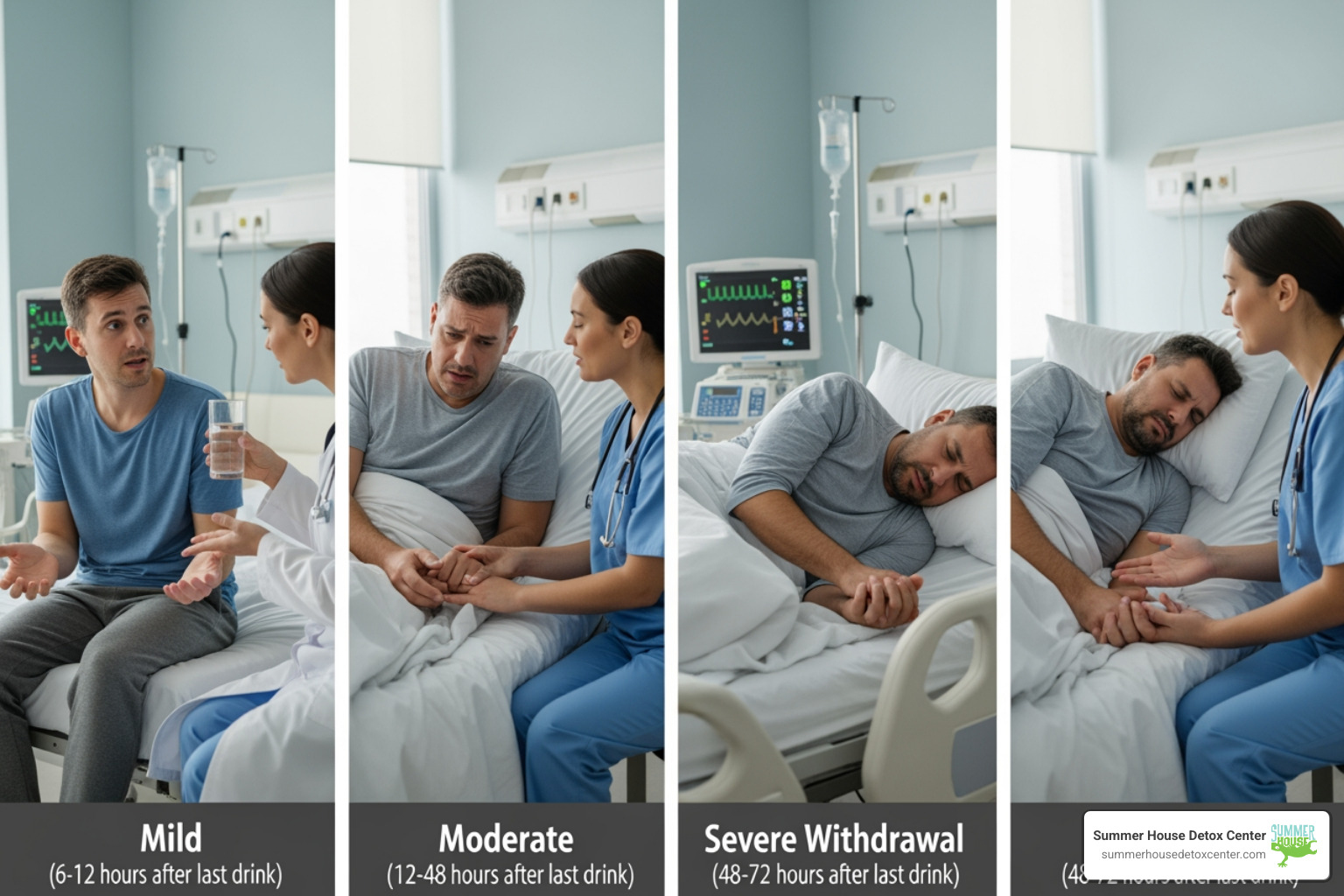
Severe Withdrawal Risks: Seizures, Hallucinations, Delirium Tremens (DTs)
The risks associated with unsupervised alcohol withdrawal are not to be underestimated. As we’ve mentioned, these can range from uncomfortable to life-threatening:
- Seizures: Alcohol withdrawal seizures are a serious concern, often occurring within the first 48 hours. They can be grand mal seizures, which are generalized and can lead to injury.
- Hallucinations: While often not life-threatening themselves, severe hallucinations can lead to extreme distress, paranoia, and dangerous behaviors.
- Delirium Tremens (DTs): This is the most severe and potentially fatal complication of alcohol withdrawal. DTs typically occur by the second or third day of detox, peaking around 5 days before resolving. It affects about 5% of those with alcoholism who are going through the detoxification process. Symptoms include confusion, agitation, fever, rapid heart rate, high blood pressure, and severe disorientation. Without immediate medical intervention, DTs can lead to brain damage, cardiac arrest, or death.
This is why a comprehensive alcohol detox timeline at a professional facility is crucial. Medical supervision ensures that these severe risks are minimized through proper monitoring and timely intervention.
The Medically Supervised Detox Process: What to Expect
Entering an alcohol detox clinic can feel daunting, but knowing what to expect can ease anxieties. At our facility in Miami, we follow a structured, three-phase approach to medically supervised detox, designed to ensure your safety and comfort throughout the process. This is part of what to expect during alcohol detox: a step-by-step guide to the process.
-
Evaluation (Assessment): Upon admission, our medical team conducts a thorough evaluation. This includes a comprehensive medical history, physical exam, and assessment of your alcohol use patterns, co-occurring mental health conditions, and overall health status. This phase helps us understand your unique needs and tailor a personalized detox plan. We also look for any other substances in your system to ensure a holistic approach.
-
Stabilization (Symptom Management): This is the core of the detox process, where we focus on managing acute withdrawal symptoms. Our goal is to make you as comfortable and safe as possible. This involves 24/7 medical monitoring, administration of medications, and continuous support. We monitor vital signs, assess symptom severity using standardized tools like the CIWA-Ar, and adjust care as needed. During this phase, we also provide nutritional support and encourage hydration to help your body heal.
-
Transition to Further Care: Detoxification is a critical first step, but it’s rarely enough for long-term sobriety. Once you are medically stable and withdrawal symptoms have subsided, we help you transition to the next phase of your recovery journey. This might involve inpatient residential treatment, intensive outpatient programs, or other forms of ongoing therapy and support. Our team works with you to develop a comprehensive aftercare plan that addresses the psychological, behavioral, and social aspects of addiction.

Medications for Alcohol Detox
Medications play a vital role in managing alcohol withdrawal symptoms and ensuring a safe detox. These are administered under strict medical supervision as part of your alcohol detox treatment.
- Benzodiazepines: These are the most commonly used medications during alcohol detox. Drugs like Librium (chlordiazepoxide) and Valium (diazepam) help calm the overactive central nervous system, reducing anxiety, preventing seizures, and alleviating other withdrawal symptoms. They work by stimulating GABA, a neurotransmitter that has a calming effect on the brain.
- Anti-seizure Medications: In some cases, anticonvulsants like carbamazepine may be used, particularly if there’s a high risk of seizures or as an alternative to benzodiazepines for milder withdrawal.
- Nutritional Support (Thiamine): Chronic alcohol use often leads to nutritional deficiencies, especially a lack of Thiamine (Vitamin B1). Thiamine deficiency can cause serious neurological complications like Wernicke’s encephalopathy and Korsakoff syndrome. We ensure you receive adequate Thiamine supplementation to prevent these conditions.
- Other Medications: Depending on individual needs, other medications might be used to manage specific symptoms, such as anti-nausea drugs, beta-blockers for heart rate and tremors, or antipsychotics for severe hallucinations.
The Importance of 24/7 Medical Supervision
The presence of experienced medical professionals around the clock is what makes a professional alcohol detox clinic so crucial. It’s the key to experiencing a safe alcohol detox. Our dedicated staff continuously monitors your vital signs, assesses your comfort levels, and is ready to intervene immediately if any complications arise. This constant oversight minimizes risks like severe seizures or the onset of DTs, changing a potentially dangerous process into a manageable one.
Co-occurring Disorders (Dual Diagnosis)
Many individuals struggling with alcohol addiction also grapple with co-occurring mental health disorders, such as anxiety, depression, or PTSD. This is often referred to as a “dual diagnosis.” Sometimes, people use alcohol to self-medicate these underlying conditions, leading to a vicious cycle. Understanding what is self-medicating and how can it lead to alcohol addiction is vital.
At our alcohol detox clinic in Miami, we believe in an integrated treatment approach. Our team includes mental health professionals who can assess and begin to address these co-occurring disorders even during the detox phase. Managing mental health alongside alcohol withdrawal is crucial for a successful and lasting recovery.
Choosing the Right Alcohol Detox Clinic in Florida
When you’re ready to take the courageous step towards sobriety, choosing the right alcohol detox clinic is paramount. In Florida, you have several options, but understanding the differences and what to prioritize is key.
Inpatient vs. Outpatient Detox
The first decision often involves the level of care:
-
Inpatient (Residential) Detox: This option involves living at the detox facility for the duration of the withdrawal process. It provides 24/7 medical supervision, a structured environment, and removes you from external triggers. Inpatient detox is generally recommended for individuals with moderate to severe alcohol dependence, a history of complicated withdrawal, co-occurring medical or mental health issues, or an unstable home environment. Our detox services: alcohol detox at Summer House Detox Center are designed as an inpatient model, offering comprehensive support and care.
-
Outpatient Detox: In an outpatient setting, you live at home and visit the clinic for scheduled medical appointments and monitoring. This option is suitable for individuals with mild alcohol dependence, a strong support system at home, and no history of severe withdrawal symptoms. However, it carries a higher risk of relapse due to continued exposure to triggers and less intensive medical oversight.
What to Look for in a Florida Alcohol Detox Clinic
When evaluating an alcohol detox clinic in Florida, consider these essential factors:
- Accreditation and Licensing: Ensure the facility is fully licensed by the State of Florida and, ideally, accredited by recognized organizations. This indicates they meet high standards of care and safety.
- Staff Credentials: Look for a multidisciplinary team including medical doctors, registered nurses, licensed therapists, and addiction counselors. Their expertise is vital for both physical and psychological support.
- Evidence-Based Therapies: A reputable clinic will use therapies and protocols supported by scientific research, ensuring the most effective treatment.
- Individualized Treatment Plans: No two paths to recovery are identical. The best clinics offer personalized plans custom to your specific needs, history, and goals.
- Continuum of Care: Detox is just the beginning. A good clinic will have clear pathways for transition to further treatment, whether it’s residential rehab, intensive outpatient programs, or aftercare support.
We pride ourselves on offering seven services to look for when choosing an alcohol rehab center and more, ensuring a comprehensive and supportive environment.
Why an Inpatient Alcohol Detox Clinic is Often the Safest Choice
For many, an inpatient alcohol detox clinic offers the safest and most effective start to recovery.
- Removes Environmental Triggers: Being in a dedicated facility removes you from the people, places, and situations that might trigger alcohol cravings and use. This allows you to focus entirely on your healing.
- Comprehensive Support: You receive round-the-clock medical care, emotional support, and therapeutic interventions, all under one roof. This integrated approach addresses both the physical and psychological aspects of withdrawal.
- Focus Solely on Recovery: Without the distractions and responsibilities of daily life, you can fully commit to the detox process and begin laying the groundwork for long-term sobriety.
Choosing why you should choose alcohol rehab in Miami or anywhere in Florida offers unique advantages. The beautiful, serene environment can be incredibly conducive to healing and self-reflection. Furthermore, Florida has a robust and active recovery community, providing ample opportunities for ongoing support after your initial detox. Find the five reasons why you should start your alcohol addiction recovery in Florida.
Navigating Costs and Planning for Long-Term Recovery
The cost of treatment is often a significant concern for individuals seeking help for alcohol addiction. However, help is available, and there are various ways to make treatment accessible.
Paying for Detox
- Insurance Coverage: The Affordable Care Act (ACA) has significantly expanded access to substance use disorder treatment. Thanks to the Affordable Care Act, treatment coverage for substance use and mental health disorders is required by all Marketplace health insurance plans and most individual and small group plans. We can help you verify your benefits to understand what your private insurance plan will cover for an alcohol detox clinic.
- Other Payment Options: For those without comprehensive insurance or facing financial hardship, other options may be available.
- State-Funded Programs: Florida offers state-funded substance abuse treatment programs, which can provide low-cost or free services to eligible residents. These often have specific eligibility criteria, such as income level and residency, and may have waiting lists.
- Sliding Scale Fees: Some facilities offer treatment on a sliding scale, adjusting costs based on your income and ability to pay.
- Financing: Many treatment centers provide financing options or payment plans to help spread the cost of care.
- Finding Help: If you’re unsure where to start, the SAMHSA National Helpline (Substance Abuse and Mental Health Services Administration) is a confidential resource that can help you find treatment centers and support services in Florida.
Life After Detox: The Next Steps
Detoxification is a crucial first step, but it is not a cure for addiction. It addresses the physical dependence, allowing your body to stabilize. For lasting sobriety, continued treatment and support are essential. This is exactly what happens after alcohol detox.
- Transition to Rehab: After safely completing detox, the next step is often transitioning into a comprehensive rehabilitation program. An alcohol rehab center provides the therapy, education, and tools needed to address the underlying causes of addiction and develop healthy coping mechanisms.
- Continued Treatment: This can take various forms, depending on your individual needs:
- Inpatient/Residential Rehab: Offers a highly structured environment with 24/7 support, individual and group therapy, and skill-building activities.
- Outpatient Programs: These include Partial Hospitalization Programs (PHPs), Intensive Outpatient Programs (IOPs), and standard outpatient therapy. They allow you to live at home or in a sober living facility while attending treatment sessions.
- Building a Support System: Long-term recovery thrives on strong support networks.
- Therapy: Cognitive Behavioral Therapy (CBT) and other therapeutic approaches help you identify and change unhelpful thought patterns and behaviors related to alcohol use.
- Support Groups: Organizations like Alcoholics Anonymous (AA) and SMART Recovery offer peer support, shared experiences, and a structured path to maintaining sobriety.
- Family Involvement: Family therapy and education can help heal relationships damaged by addiction and build a supportive home environment.
Frequently Asked Questions about Alcohol Detox
We understand you likely have many questions about the detox process. Here are some of the most common ones we hear at our alcohol detox clinic in Miami:
How long does alcohol detox take?
The typical duration for alcohol detox usually ranges from 7 to 10 days. However, this is an average, and the actual length can vary significantly for each individual. Factors influencing the duration include:
- Length and Severity of Alcohol Use: Individuals with a long history of heavy drinking may experience more prolonged and intense withdrawal symptoms.
- Overall Health: Pre-existing medical conditions can affect how your body processes and eliminates alcohol.
- Previous Detox Experiences: A history of multiple withdrawals can sometimes lead to more severe symptoms in subsequent detoxes.
Our team will provide a more precise estimate after your initial evaluation. For more detailed information, you can explore alcohol detox how long does it take.
Is alcohol detox painful?
While alcohol withdrawal can be uncomfortable and distressing, medically supervised detox aims to minimize pain and discomfort as much as possible. Our primary goal is to ensure your safety and make the process tolerable. With 24/7 medical monitoring and the strategic use of medications like benzodiazepines, we can significantly alleviate severe withdrawal symptoms. This focus on comfort allows you to steer detox with dignity and a reduced physical burden. While some discomfort may be unavoidable, it is far less severe and safer than attempting to detox alone.
Can I be forced to go to an alcohol detox clinic?
In Florida, there are laws that allow for involuntary commitment for substance abuse treatment, primarily the Marchman Act. This act permits family members, physicians, or law enforcement to petition a court to order an individual into assessment and treatment if they meet specific criteria, typically meaning they are a danger to themselves or others due to their substance use, or their ability to make rational decisions is impaired.
While such laws exist, our focus is always on helping individuals seek voluntary treatment. We believe that true recovery begins with a personal commitment to change. We encourage you to reach out to us or a loved one to discuss treatment options before involuntary measures become a consideration.
Begin Your Recovery Journey in Miami Today
Choosing to enter an alcohol detox clinic is a brave and life-affirming decision. It’s the vital first step in reclaiming your health and building a life free from alcohol dependence. Professional medical supervision is not just a convenience; it’s a necessity for a safe and effective detox, especially given the potential for severe and life-threatening withdrawal symptoms.
At Summer House Detox Center in Miami, we are deeply committed to providing personalized, dignified care in a comfortable and supportive environment. Our experienced staff, some of whom have walked the path of recovery themselves, understand the challenges you face and are dedicated to guiding you with compassion. We believe in treating the whole person, ensuring that your journey to sobriety is met with understanding, expertise, and unwavering support.
Don’t let fear or uncertainty hold you back from the healthy, fulfilling life you deserve. Take the first step towards a new beginning. Contact our caring team today for a confidential consultation. We are here to answer your questions, ease your concerns, and help you start on your path to lasting recovery.
