
Your Guide to Finding Elite Addiction Treatment in Florida
Addiction recovery center programs offer comprehensive, medically supervised treatment for individuals struggling with substance use disorders. If you’re seeking help, here’s what you need to know:
What an Addiction Recovery Center Provides:
- Medical Detox – Safe withdrawal management with 24/7 medical supervision
- Residential/Inpatient Treatment – Intensive therapy and counseling in a structured environment
- Outpatient Programs – Flexible care that allows you to live at home while attending treatment
- Medication-Assisted Treatment (MAT) – FDA-approved medications to reduce cravings and manage withdrawal
- Therapy & Counseling – Individual, group, and family therapy to address underlying issues
- Aftercare Support – Ongoing relapse prevention and alumni programs
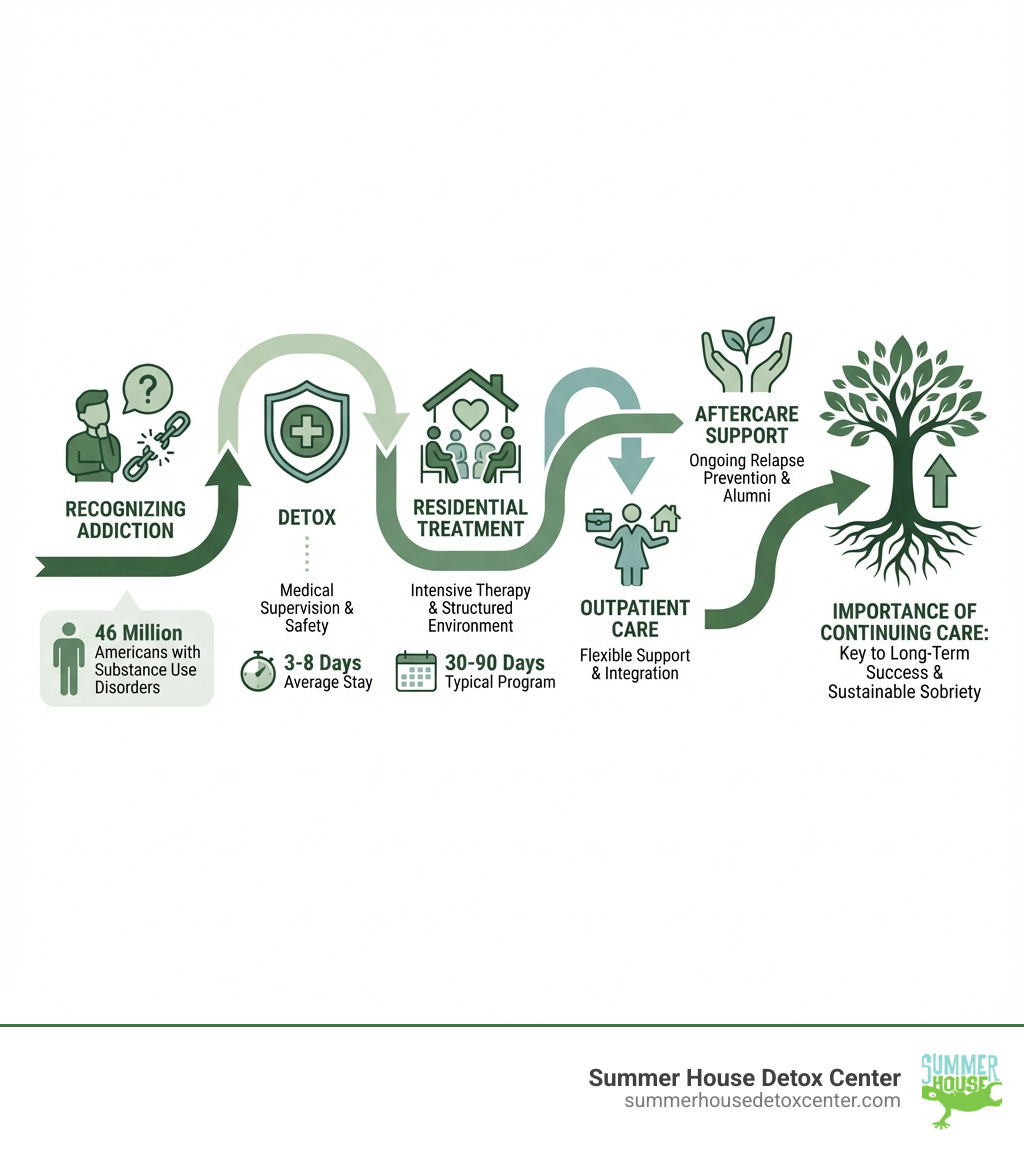
Over 46 million Americans aged 12 or older currently struggle with a substance use disorder, yet 94% of those people never receive treatment. That’s a staggering gap between those who need help and those who actually get it.
If you’re reading this, you’ve already taken the hardest step—acknowledging that you need help. That takes real courage.
The journey from active addiction to lasting recovery doesn’t happen by chance. It requires professional support, a safe environment, and a treatment plan designed specifically for you. Choosing the right recovery center can make the difference between another failed attempt and a genuine fresh start.
Florida, particularly South Florida, has become a leading destination for addiction treatment. The combination of experienced medical staff, evidence-based therapies, and a healing environment makes this region ideal for beginning your recovery journey. Whether you’re dealing with alcohol, opiates, benzodiazepines, or other substances, the right center will meet you where you are with dignity and compassion.
This guide will help you understand what makes an elite addiction recovery center, how to find the right fit for your needs, and what to expect as you begin this life-changing process.
The Core Components of a Leading Addiction Recovery Center
When we talk about a leading addiction recovery center, we’re referring to a facility that offers a full spectrum of services designed to guide individuals from active addiction to sustainable sobriety. These centers are more than just buildings; they are comprehensive ecosystems of care built on expertise, compassion, and a deep understanding of the disease of addiction.
At its heart, a top-tier addiction recovery center provides various levels of care, all centered around individualized treatment plans. This means that your unique history, challenges, and goals will shape your recovery journey, not a one-size-fits-all approach. Medical supervision is a non-negotiable element, ensuring safety and comfort throughout the process, especially during the crucial initial phase of detoxification. We believe a safe, supportive, and dignified environment is paramount, providing a space where healing can truly begin. For more on this vital first step, explore Why Medical Detox is a Vital First Step in Recovery.
| Program Type | Description |
|---|---|
| Detox | Fully residential, medical supervision, 24/7 care to manage withdrawal symptoms. Average stay 3-10 days. |
Understanding Different Treatment Programs
When facing addiction, understanding the types of treatment programs available is crucial for making informed decisions.
- Detox Programs: The initial stage of recovery for many, especially those who are physically dependent on a substance, is detoxification. This process involves the safe, medically supervised withdrawal from drugs or alcohol. For example, the average inpatient length of stay for detoxification is typically around 3.8 days, though it can vary based on the substance and individual needs. A medically supervised detox is essential because withdrawal from certain substances, like alcohol or benzodiazepines, can be dangerous, even fatal, if not managed by medical professionals.
- Residential/Inpatient Treatment: After detox, many individuals transition into residential or inpatient programs. These programs require patients to live at the facility 24/7, providing an immersive, structured, and substance-free environment. In Florida, our residential programs offer intensive therapy, counseling, and support, removing individuals from their daily triggers and allowing them to focus entirely on healing. These programs often last 30, 60, or 90 days, providing ample time for deep therapeutic work.
- Outpatient Programs: For those who have completed a residential program or whose addiction is less severe, outpatient programs offer a flexible alternative. These programs allow individuals to live at home and continue with their work or family responsibilities while attending therapy sessions and groups at the center. Options range from Partial Hospitalization Programs (PHP), which offer intensive day treatment, to Intensive Outpatient Programs (IOP), and less frequent outpatient therapy. You can learn more about these choices in Inpatient vs. Outpatient Programs at Miami Alcohol Treatment Centers.
- Sober Living Homes: These facilities provide a supportive, structured environment for individuals transitioning from inpatient treatment back into independent living. Sober living homes help reinforce the healthy habits learned in rehab and offer a sense of community, significantly aiding in relapse prevention.
The Critical First Step: Medically Supervised Detox
For many, the journey to recovery begins with detoxification. This isn’t just about stopping substance use; it’s about safely managing the physical and psychological withdrawal symptoms that occur when the body rids itself of addictive substances.
Medically supervised detox is paramount for safety and comfort. Withdrawal symptoms can range from uncomfortable to life-threatening, depending on the substance and the individual’s dependency level. Without professional medical oversight, attempting to detox at home can be extremely dangerous. For instance, alcohol withdrawal can lead to seizures, delirium tremens, and even death. Similarly, opiate withdrawal can be excruciatingly painful and can lead to dangerous complications if not managed properly.
In Florida, our medical detox programs provide 24/7 medical care and monitoring. Our experienced team uses FDA-approved medications to alleviate withdrawal symptoms, making the process as comfortable and safe as possible. Whether it’s an alcohol detox, an Opiate Detox Center program, or specialized care for benzodiazepine (benzo) withdrawal, our priority is your well-being. The dangers of attempting self-detox are thoroughly explained in The Importance of Medically Supervised Detox: Why DIY Detox Can Be Dangerous.
The Role of Comprehensive Care in Lasting Recovery

True recovery extends beyond simply stopping substance use. It requires a comprehensive, whole-person approach that addresses the physical, mental, emotional, and spiritual aspects of an individual. This is where the depth of care at an addiction recovery center truly shines. We understand that addiction rarely exists in a vacuum. Many individuals struggling with substance use disorders also experience co-occurring mental health disorders. In fact, about half of people with a substance use disorder also experience serious mental illness, such as depression, anxiety, or bipolar disorder. Addressing these underlying issues is critical for long-term sobriety. This integrated treatment is often referred to as Dual Diagnosis Rehab.
Therapy and Counseling: The Foundation of Healing
Therapy and counseling form the bedrock of any effective addiction recovery center program. These sessions provide a safe space to explore the root causes of addiction, develop healthy coping mechanisms, and build essential life skills.
- Individual Therapy: One-on-one sessions with a qualified therapist allow for personalized attention to your specific challenges, traumas, and thought patterns that contribute to substance use.
- Group Therapy: Participating in group sessions provides a powerful sense of community and shared experience. It allows individuals to learn from peers, practice new social skills, and receive support from those who truly understand their struggles.
- Family Therapy: Addiction impacts the entire family system. The Role of Family Therapy in Substance Abuse Treatment is crucial for healing relationships, improving communication, and establishing healthy boundaries that support long-term recovery for everyone involved.
Common evidence-based therapies used in leading centers include:
- Cognitive Behavioral Therapy (CBT): Helps identify and change negative thought patterns and behaviors.
- Dialectical Behavior Therapy (DBT): Focuses on emotional regulation, mindfulness, and distress tolerance.
- Motivational Improvement Therapy: Helps individuals resolve ambivalence about treatment and recovery.
- Psychodynamic Therapy: Explores how past experiences and unconscious processes influence current behavior.
These therapeutic modalities help individuals uncover the emotional wounds that may have fueled their addiction, equipping them with the tools needed to steer life’s challenges without resorting to substance use.
Medication-Assisted Treatment (MAT)
Medication-Assisted Treatment (MAT) combines FDA-approved medications with counseling and behavioral therapies to provide a “whole-patient” approach to substance use disorders. It’s particularly effective for opioid and alcohol use disorders, helping to reduce cravings and manage withdrawal symptoms. For a deeper dive into this approach, see Understanding Medication Assisted Treatment.
Common medications used in MAT include:
- Buprenorphine (often combined with naloxone as Suboxone): Used for opioid dependence, it helps reduce cravings and withdrawal symptoms without producing the same high as other opioids. You can find practitioners and programs providing buprenorphine through SAMHSA’s locator: Buprenorphine Practitioners.
- Methadone: Another medication for opioid use disorder, methadone is administered in specialized clinics and helps stabilize individuals, reducing illicit opioid use. Find programs providing methadone at Opioid Treatment Programs.
- Vivitrol (naltrexone extended-release injectable): Used for both opioid and alcohol use disorders, it blocks the euphoric and sedative effects of opioids and reduces alcohol cravings.
MAT is not a substitute for therapy; rather, it is a powerful tool that, when combined with comprehensive counseling, significantly increases the chances of successful, long-term recovery. Learn more about Medications and Recovery.
The Power of Peer Support
Beyond professional therapy, the camaraderie and understanding found in peer support groups are invaluable components of recovery. These groups provide a judgment-free space where individuals can share their experiences, challenges, and successes with others who are on a similar path. This shared experience fosters a sense of community and significantly reduces the isolation that often accompanies addiction.
Popular peer support groups include:
- Alcoholics Anonymous (AA): A 12-step program for individuals recovering from alcohol addiction.
- Narcotics Anonymous (NA): Modeled after AA, this group supports individuals recovering from drug addiction.
- SMART Recovery: An alternative to 12-step programs, it uses a 4-Point Program to help individuals gain independence from addictive behaviors.
These groups offer ongoing support, guidance, and a network of sober individuals, which is vital for maintaining sobriety after formal treatment concludes. As we often say, you need supportive people around you in sobriety, and these groups are a great place to find them. Explore The 6 Types of People You Need in Sobriety to understand the different roles these relationships play.
Navigating the Path to Treatment in Florida
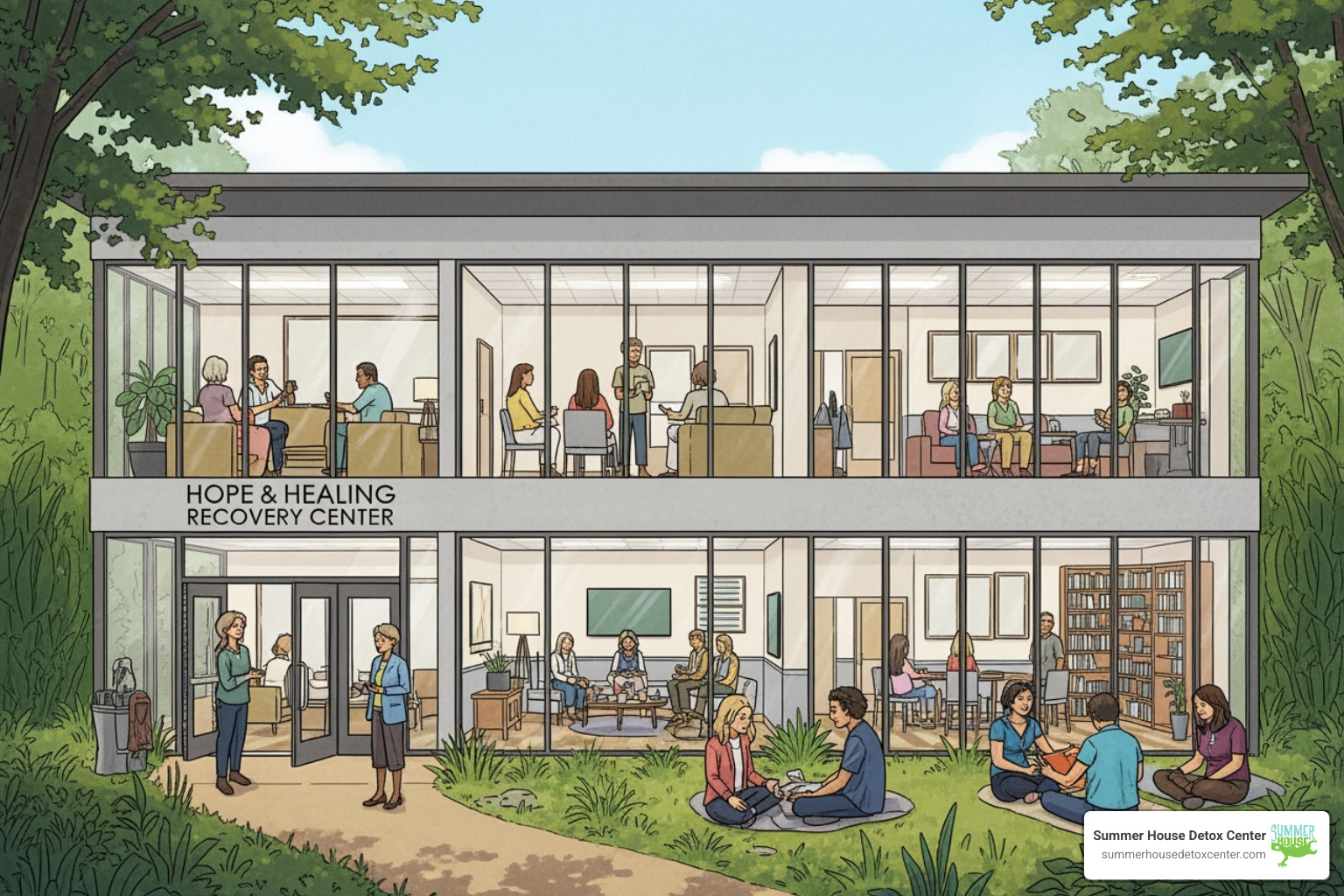
Recognizing the signs that someone may need addiction treatment is often the first, most difficult step. These signs can manifest in various ways, from physical changes and neglect of responsibilities to mood swings and secretive behavior. If you notice these indicators, it’s time to seek help. Our article on Recognizing the Early Signs of Addiction: When to Seek Help (Introduction) provides further guidance.
Finding local help, especially in Florida, is easier than you might think. Florida, and particularly the vibrant South Florida region encompassing Miami, Fort Lauderdale, and West Palm Beach, has become a premier destination for addiction recovery center services. The combination of beautiful, healing environments, a robust network of experienced professionals, and a commitment to innovative treatment makes it an ideal place to start or continue your recovery journey. This is why Why West Palm Beach is a Top Destination for Detox and similar articles highlight the benefits of seeking care in our sunny state.
How to Find a Suitable Addiction Recovery Center
With many options available, choosing the right addiction recovery center can feel overwhelming. Here’s what we recommend looking for:
- Accreditation: Ensure the center holds reputable accreditations, such as from The Joint Commission (JCAHO) or CARF (Commission on Accreditation of Rehabilitation Facilities). These signify that the facility meets rigorous standards of care and quality.
- Staff Qualifications: Look for centers with highly qualified and experienced medical doctors, psychiatrists, nurses, and therapists. A low patient-to-staff ratio (e.g., 1 counselor for every 4-5 patients) often indicates more individualized attention. Some of our staff members are even in recovery themselves, offering a unique blend of professional expertise and lived experience.
- Personalized Care: As we’ve emphasized, a one-size-fits-all approach doesn’t work for addiction. A top center will offer individualized treatment plans custom to your specific needs.
- Continuum of Care: The best centers provide a full spectrum of services, from detox to residential, outpatient, and aftercare planning, ensuring seamless transitions throughout your recovery.
For more detailed guidance on what to consider, check out Finding the Right Detox Centers in South Florida: What to Look For and explore our offerings at Miami Rehab Centers.
If you’re unsure where to begin your search, SAMHSA’s FindTreatment.gov is an excellent national resource for locating facilities. You can also call their National Helpline at 1-800-662-HELP (4357) for treatment referral and information, available 24/7.
Admissions, Costs, and Insurance
Navigating the admissions process and understanding the financial aspects of treatment is a common concern.
- Admissions Process: Generally, the process begins with an initial assessment to determine the appropriate level of care. This may involve phone consultations and a more in-depth evaluation upon arrival. Our teams are here to guide you through every step.
- Verifying Insurance: Most quality addiction recovery center facilities in Florida work with a wide range of insurance providers. Federal mandates require most insurers to provide equitable coverage for mental health and substance use treatment, similar to medical and surgical benefits. We can help you verify your benefits confidentially. Visit Contact Us/Am I Covered? for assistance.
- Cost of Treatment: While we cannot discuss specific pricing, it’s important to know that various payment options exist. Many facilities offer services on a sliding scale for those with lower incomes, financing plans, or even scholarship programs. Government-funded programs and Medicaid may also be options for qualifying individuals in Florida. Don’t let financial concerns prevent you from seeking help; resources are available.
- Confidentiality: Your privacy is paramount. By federal law, the confidentiality of patient records maintained by alcohol and drug addiction treatment programs is strictly protected. Facilities cannot disclose any information identifying a patient receiving care for alcohol or drug addiction unless the patient consents or a court order mandates disclosure.
Life After Treatment: Ensuring Long-Term Success
Completing an initial treatment program is a monumental achievement, but recovery is a lifelong journey. The typical duration of various treatment programs can vary significantly: while the average inpatient detox stay might be around 3-10 days, residential programs can last 30, 60, or 90 days. Following this, step-down programs and aftercare can extend for several months or even years.
While there isn’t a single “success rate” for addiction treatment due to the chronic nature of the disease and individual variations, studies show that sustained engagement in care significantly improves outcomes. Considering that over 46 million Americans have a substance use disorder, and a staggering 94% of them do not receive any treatment, simply engaging in a structured program dramatically increases the likelihood of a positive outcome. Our goal is not just short-term sobriety but building a strong foundation for lasting change, as highlighted in Life After Detox: Building a Strong Foundation for Long-Term Sobriety.
The Importance of Aftercare and Relapse Prevention
The period immediately following an intensive treatment program is crucial for solidifying recovery and preventing relapse. This is where aftercare and relapse prevention strategies come into play.
- Continuing Care Plans: A comprehensive addiction recovery center will develop a personalized continuing care plan before you leave. This might include ongoing individual therapy, group meetings, sober living arrangements, or regular check-ins with your treatment team. Learn more at Aftercare Drug Rehab.
- Alumni Programs: Many centers offer robust alumni programs, providing a supportive community for graduates. These programs often host events, meetings, and mentorship opportunities, keeping individuals connected to their recovery journey and to each other.
- Trigger Management: Identifying and developing strategies to cope with personal triggers (people, places, or situations that provoke cravings) is a cornerstone of relapse prevention. Our programs teach you how to recognize these triggers and how to build healthy responses. More on this can be found in Staying Away From Known Triggers.
- Building a Sober Network: Surrounding yourself with positive, sober influences is essential. This includes family, friends, and peers from support groups who understand and champion your recovery.
How Loved Ones Can Support the Recovery Journey
Addiction is often called a family disease because its impact extends to everyone close to the individual. Therefore, involving families and loved ones in the recovery process is not just helpful, it’s often critical.
- Family Involvement: Many treatment centers offer family therapy sessions and educational programs. These help family members understand addiction, heal past wounds, and learn how to support their loved one without enabling. The Role of Emotional Support During Detox: How Family and Friends Can Help (Introduction) emphasizes this.
- Setting Boundaries: Learning to set healthy boundaries is vital. This protects both the person in recovery and their loved ones from old patterns of behavior.
- Avoiding Enabling: Enabling behaviors, often well-intentioned, can inadvertently perpetuate the addiction. Understanding what constitutes enabling and how to stop is a key part of family support. Our article How to Help a Spouse with Addiction digs into this.
- Al-Anon and Nar-Anon: These support groups are specifically for friends and family members of individuals with addiction. They provide a safe space to share experiences, gain understanding, and learn coping strategies, reminding loved ones they are not alone.
Frequently Asked Questions about Addiction Recovery Centers
We understand you likely have many questions as you consider treatment. Here are some of the most common ones we hear:
How long does a typical addiction treatment program last?
The duration of an addiction treatment program is highly individualized and depends on the severity of the addiction, the substances involved, and the individual’s progress. Generally:
- Detox: 3 to 10 days, with an average of about 3.8 to 5 days for inpatient medical detox.
- Residential/Inpatient: Typically 30, 60, or 90 days. Longer stays are often recommended for more severe cases or those with co-occurring mental health disorders.
- Outpatient (PHP/IOP): Can range from several weeks to several months, with sessions becoming less frequent over time.
- Aftercare/Continuing Care: This phase can extend for many months or even years, involving regular therapy, support group attendance, and alumni activities.
It’s important to view treatment as a process, not a one-time event. For more details on program lengths, please refer to Contact Us/Length of Stay.
What should I pack for a stay at a residential treatment center?
Packing for a residential addiction recovery center in Florida should focus on comfort and practicality. Generally, we recommend bringing:
- Comfortable Clothing: Enough for about a week, including exercise clothes and sleepwear. Laundry facilities are usually available.
- Personal Toiletries: Non-alcoholic, non-aerosol toiletries (e.g., shampoo, conditioner, toothbrush, toothpaste, soap).
- Identification and Insurance Card: Valid photo ID and your insurance card are essential for admission.
- List of Medications: Bring any prescription medications you are currently taking, in their original containers, along with a list of dosages and prescribing doctors.
- Small Amount of Cash: For incidentals.
- Reading Material or Journal: Books, a notebook, or a journal for personal reflection.
Items typically not allowed include illicit substances, alcohol, weapons, gambling materials, energy drinks, and sometimes certain electronics or excessive valuables. Specific packing lists are usually provided by the center. For a comprehensive guide, check out How to Pack for Alcohol Treatment in Florida.
Is my treatment at an addiction recovery center confidential?
Absolutely. The confidentiality of your treatment at an addiction recovery center is protected by federal law, specifically 42 CFR Part 2 and HIPAA (Health Insurance Portability and Accountability Act). These regulations are designed to safeguard your privacy and ensure that your treatment information is not disclosed without your explicit consent.
This means that a treatment program generally cannot:
- Acknowledge that you are a patient.
- Disclose any information about your treatment.
- Reveal your identity as someone receiving addiction treatment.
Exceptions typically involve a court order, medical emergencies, or reporting certain crimes on the premises, but even in these cases, strict guidelines apply. Reputable centers prioritize your privacy and will have clear confidentiality policies in place.
Conclusion: Take the First Step Towards a New Beginning
The journey to recovery from addiction is deeply personal, often challenging, but ultimately incredibly rewarding. It begins with the courage to acknowledge a problem and the wisdom to seek professional help. Choosing the right addiction recovery center is not merely a logistical decision; it is a critical investment in your future, offering a path to healing, self-findy, and sustained well-being.
As we’ve explored, a quality center provides personalized care, expert medical supervision, and comprehensive therapeutic support designed to address every facet of addiction. For those in South Florida, centers like Summer House Detox Center are dedicated to offering a comfortable, dignified, and supportive environment where your recovery can begin with the strongest possible foundation.
Your new life, free from the grip of addiction, awaits. We are here to help you take that courageous first step. For more information about how comprehensive care can transform lives, explore More info about Rehabilitation.
