Understanding Naltrexone as a Recovery Tool

Naltrexone for alcohol is an FDA-approved medication that helps people reduce their drinking and maintain sobriety. It functions by blocking the brain’s reward response to alcohol, making it a powerful ally in the fight against alcohol use disorder (AUD). While it’s not a cure, naltrexone is a proven tool that achieves the best results when integrated into a comprehensive treatment plan that includes counseling and robust support systems.
If you’ve tried to quit drinking before and felt like you failed, you are far from alone. Alcohol use disorder is a complex medical condition that fundamentally changes how your brain’s reward, stress, and self-control circuits function. These changes make it incredibly difficult to stop drinking based on willpower alone. The good news is that modern addiction treatment recognizes this, and you no longer have to rely on sheer determination to reclaim your life.
Quick Facts About Naltrexone:
- What it does: As an opioid receptor antagonist, it blocks the euphoric and pleasurable effects of alcohol, which in turn helps to reduce cravings.
- How effective: Studies show it can reduce the risk of returning to heavy drinking to 83% compared to a placebo and decreases the total number of drinking days by about 4%.
- Forms available: It comes as a daily oral pill (typically 50mg) or as a once-monthly, long-acting injection known as Vivitrol, providing flexibility for different lifestyles and needs.
- Treatment length: A typical course of treatment lasts 3-4 months, but it can be continued for longer based on your progress and in consultation with your doctor.
- Best results: Naltrexone is most effective when used as part of a Medication-Assisted Treatment (MAT) plan that includes therapy, counseling, and peer support groups.
- Not for: It is not suitable for individuals currently taking opioids (due to the risk of sudden withdrawal), those with acute hepatitis, or people with severe liver failure.
Naltrexone represents a significant advancement in treating alcohol dependence. Unlike older medications such as disulfiram, which makes you violently ill if you consume alcohol, naltrexone works more subtly. It quietly reduces your intrinsic desire to drink in the first place. Think of it as turning down the volume on alcohol’s appeal, allowing you the mental space to engage in therapy and build healthier coping mechanisms.
The World Health Organization estimates that over 75 million people worldwide have an alcohol use disorder. For many of them—and perhaps for you—naltrexone has become a critical component of their recovery journey. While research shows that, on average, one out of every nine patients is helped by naltrexone, its impact is magnified when part of a structured program.
Naltrexone isn’t a magic pill. It works best as part of a complete treatment plan that addresses both the physical dependence on alcohol and the underlying psychological reasons for drinking. This is where comprehensive care becomes essential—especially in a recovery hub like Miami and South Florida. Here, leading treatment centers like Summer House Detox Center combine medication with individualized therapy, holistic support, and compassionate care to treat the whole person, not just the addiction.
Your past attempts at sobriety weren’t failures; they were learning experiences. With today’s evidence-based tools and the right support, this time can be different.
Similar topics to naltrexone for alcohol:
How Naltrexone for Alcohol Works: Mechanism and Effectiveness
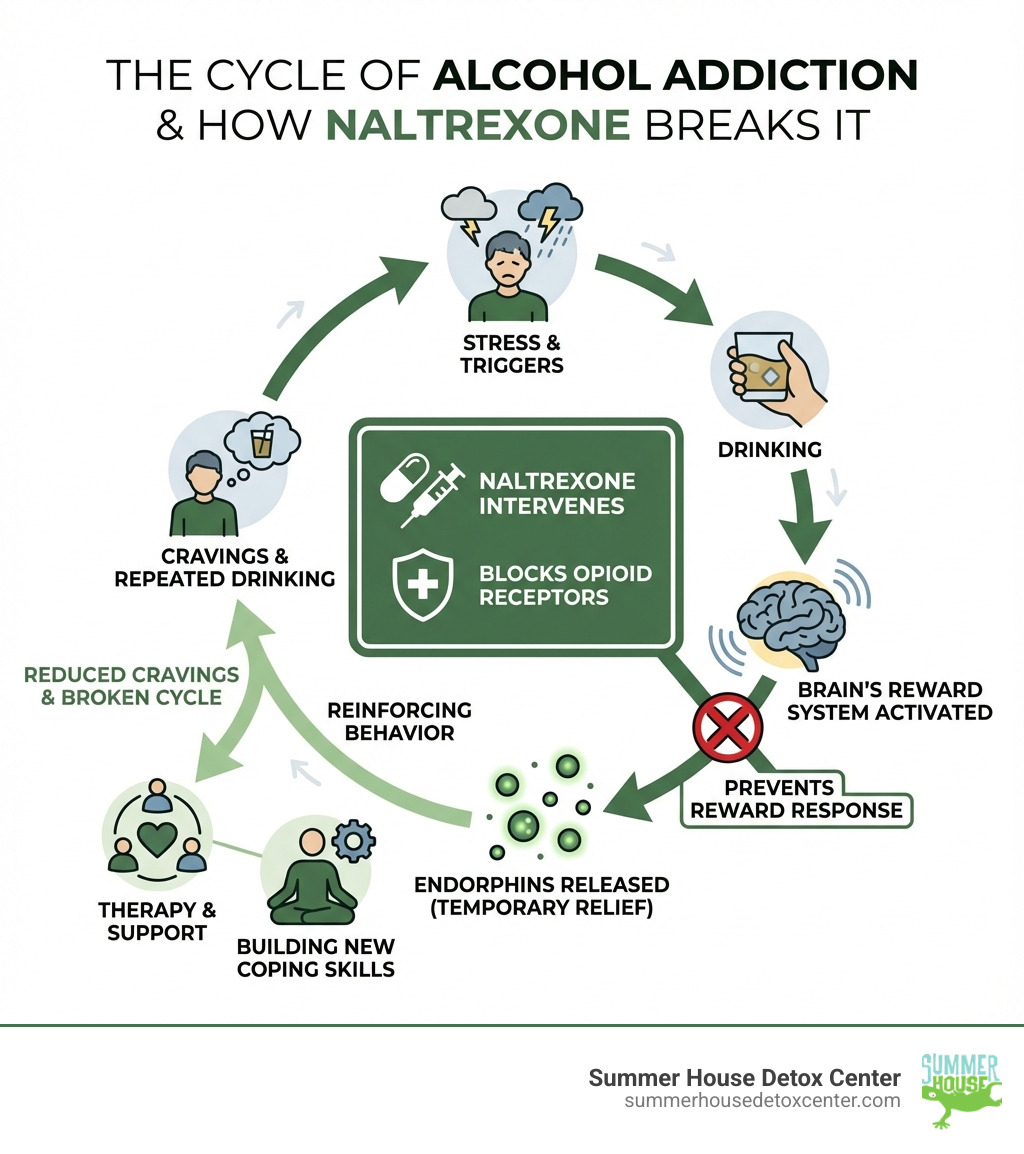
At its core, naltrexone for alcohol is an opioid antagonist. Now, before you scratch your head and wonder what opioids have to do with alcohol, let us explain. When you drink alcohol, particularly in larger quantities, it triggers the release of endorphins in your brain. These endorphins are the body’s natural opioids, and they bind to opioid receptors, producing the “feel-good” sensation or euphoria that many people associate with drinking. Over time, this pleasurable response reinforces the act of drinking, creating a powerful cycle of cravings and dependence.
Naltrexone steps in by binding to and blocking these opioid receptors. When the receptors are occupied by naltrexone, the endorphins released by alcohol have nowhere to go. As a result, alcohol can no longer produce the same euphoric or rewarding effects. Imagine turning down the volume on your favorite song—it’s still playing, but it doesn’t have the same impact. That’s essentially what naltrexone does to alcohol’s appeal. By reducing this “reward,” naltrexone helps to:
- Decrease the urge to drink.
- Lessen the intensity and frequency of alcohol cravings.
- Soften the pleasurable feelings if a person does drink, which reduces the motivation to continue.
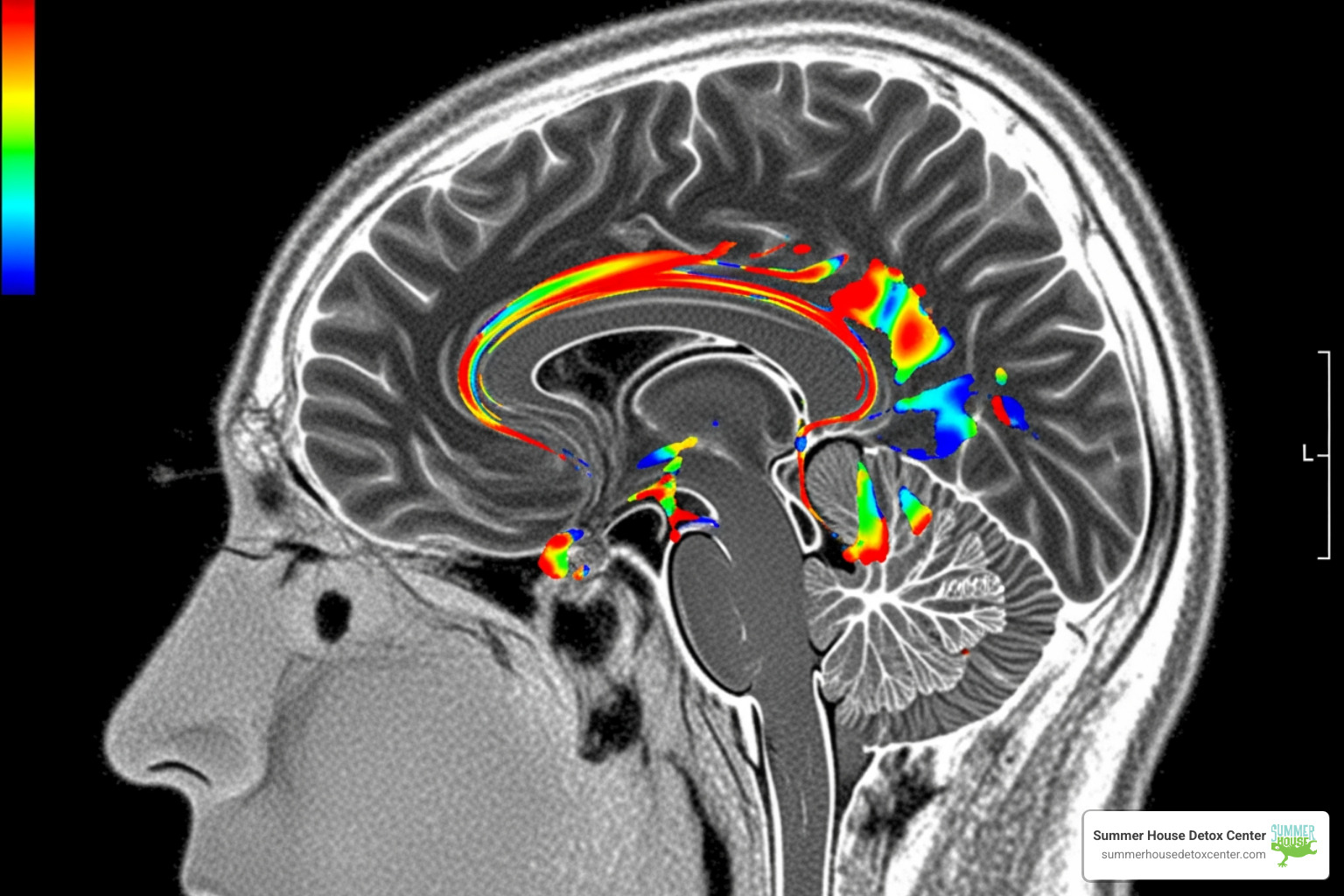
Naltrexone isn’t a cure for alcohol use disorder (AUD), because AUD is a complex, chronic brain disease. Instead, medication is one powerful tool in a comprehensive treatment plan. Naltrexone helps modify the hypothalamic-pituitary-adrenal (HPA) axis, the body’s central stress response system, which becomes dysregulated by chronic alcohol use and contributes to cravings. By interrupting the brain’s reward and stress cycles, it gives you the leverage to gain better control over your drinking and engage more effectively in therapy. For those concerned about how alcohol affects their brain, learning more about Does Alcohol Addiction Change the Way the Brain Works? can provide additional insights.
The Effectiveness of Naltrexone for Alcohol Cravings and Relapse
So, how well does naltrexone for alcohol actually work in the real world? A large body of clinical research and numerous meta-analyses show consistently promising results. This medication has been proven to significantly reduce alcohol consumption and help prevent relapse, making it a valuable asset in the journey to recovery.
Here’s what the statistics tell us:
- Reduced Heavy Drinking: Naltrexone has been shown to reduce the risk of heavy drinking to 83% of the risk in the placebo group. This means individuals taking naltrexone are significantly less likely to return to patterns of dangerous, heavy drinking.
- Decreased Drinking Days: On average, naltrexone decreases the number of drinking days by about 4%. While this might seem like a small number, it translates to nearly 15 fewer drinking days over a year, a substantial improvement in health and quality of life.
- Benefit for Heavy Consumption: For those struggling with heavy alcohol consumption, naltrexone monotherapy demonstrated a notable benefit, with a Number Needed to Treat (NNT) of 12. This means that for every 12 people treated with naltrexone, one additional person avoids a return to heavy drinking who would not have otherwise with a placebo.
- Increased Abstinence Rates: Meta-analyses indicate that naltrexone can increase the likelihood of achieving and maintaining abstinence, particularly when combined with behavioral therapy. It helps reduce the frequency and intensity of drinking episodes, paving the way for long-term sobriety.
- Individual Impact: On average, one out of nine patients was helped by naltrexone in reducing their drinking. This highlights its effectiveness as part of a personalized treatment approach, where it can be a game-changer for the right individual.
These findings underscore why naltrexone is considered a first-line, evidence-based medication for individuals with moderate to severe alcohol use disorder. Its ability to reduce cravings and block the rewarding effects of alcohol empowers people to cut back, reduce binge drinking, and ultimately work toward their recovery goals. For more in-depth information, you can explore Naltrexone for the Management of Alcohol Dependence – PMC.
Comparing Naltrexone with Other AUD Medications
When considering medication-assisted treatment for alcohol use disorder, it’s helpful to understand how naltrexone for alcohol stands alongside other approved medications. While each serves a similar goal—to support sobriety—they work through different mechanisms and are suited for different situations. The three primary FDA-approved medications for AUD are naltrexone, acamprosate, and disulfiram. To explore more about these options, you can check out What Type of Medications Are Used in Alcohol Treatment?.
Here’s a comparison:
| Medication | Mechanism of Action | Primary Goal | Common Side Effects |
|---|---|---|---|
| Naltrexone | Blocks opioid receptors to reduce the pleasurable effects of alcohol and cravings. | Harm Reduction & Abstinence | Nausea, headache, dizziness, fatigue. |
| Acamprosate | Thought to restore balance to GABA/glutamate brain pathways disrupted by chronic drinking. | Maintaining Abstinence | Diarrhea, gas, upset stomach, loss of appetite, anxiety. |
| Disulfiram | Blocks an enzyme involved in metabolizing alcohol, causing a severe, unpleasant reaction if alcohol is consumed. | Deterrence & Abstinence | Drowsiness, metallic taste, skin rash. (Severe reaction with alcohol includes flushing, nausea, vomiting, and heart palpitations). |
Choosing the right medication is a critical decision that should be made with a medical professional. Naltrexone is often preferred for individuals who want to reduce their drinking but may not be ready for complete abstinence (harm reduction). Acamprosate is typically started after a person has already stopped drinking and is effective for reducing the protracted withdrawal symptoms (like anxiety and insomnia) that can lead to relapse. Disulfiram is a powerful deterrent but requires a high level of motivation, as drinking on it can be dangerous.
At a medically supervised facility like Summer House Detox Center in Miami, our clinical team conducts a thorough assessment of your health, drinking patterns, and recovery goals. This allows us to create a personalized treatment plan and determine which medication, if any, is the safest and most effective fit for your unique journey to sobriety.
