
Why Medical Detox Is a Vital First Step in Recovery
Inpatient drug detox is a medically supervised process that safely removes drugs or alcohol from your body while managing withdrawal symptoms in a 24/7 hospital or residential setting. Here’s what you need to know:
Key Facts About Inpatient Drug Detox:
- Duration: Typically 3-14 days, depending on the substance and severity of addiction
- Purpose: Achieve a substance-free state, manage withdrawal symptoms, and prepare for further treatment
- Who Needs It: People with severe addictions, co-occurring medical or mental health conditions, history of dangerous withdrawal, or unstable home environments
- Most Dangerous Substances to Detox From: Alcohol and benzodiazepines (can be fatal without medical supervision)
- What’s Included: 24/7 medical monitoring, medications to ease symptoms, counseling, and discharge planning
- Important: Detox alone is not enough for lasting recovery—it must be followed by comprehensive addiction treatment
If you’ve tried to quit before and failed, or if you’re afraid of what withdrawal will feel like, you’re not alone. The fear of withdrawal keeps many people trapped in addiction. But here’s the truth: trying to detox at home can be dangerous and even deadly, especially with alcohol or benzodiazepines.
Inpatient drug detox provides what at-home attempts cannot—constant medical supervision, medications to keep you comfortable, and a safe environment where you can focus entirely on getting through the hardest days. This is especially critical in Florida, where the opioid crisis and alcohol-related hospitalizations continue to impact thousands of families each year.
At Summer House Detox Center in Miami, we understand that taking this first step feels overwhelming. You’ve likely experienced past failures, and the thought of facing withdrawal again can feel impossible. But with the right medical support, withdrawal doesn’t have to be as painful or dangerous as you fear.
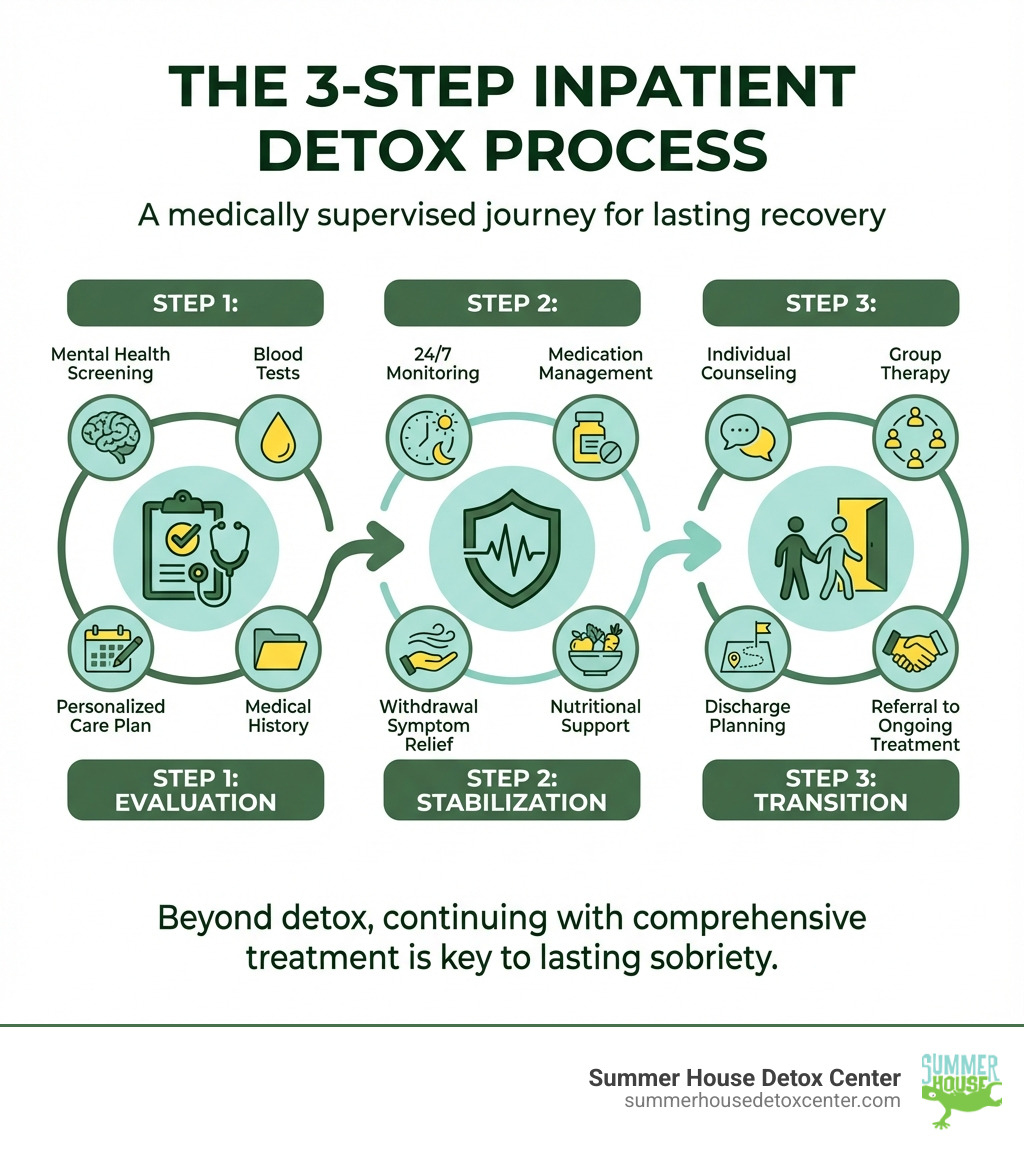
The detox process follows three essential steps: a comprehensive evaluation of your physical and mental health, medical stabilization where symptoms are managed around the clock, and preparation for ongoing treatment. Each step is designed to give you the best possible chance at lasting sobriety.
This isn’t just about getting drugs or alcohol out of your system. It’s about starting your recovery journey with dignity, compassion, and the medical expertise you deserve. Research shows that while detox completion rates are higher in inpatient settings, the real key to success is what comes after—continuing with therapy, counseling, or residential treatment.
Learn more about inpatient drug detox:
What is Inpatient Drug Detox and Who Needs It?
At its core, inpatient drug detox is a specialized medical program designed to help individuals safely and comfortably withdraw from substances. Its primary purpose is to achieve a substance-free state by removing drugs or alcohol from the body while managing the often challenging and sometimes dangerous withdrawal symptoms that can arise. This process is medically supervised 24/7, ensuring your safety and comfort at every turn.
Unlike attempting to quit cold turkey at home, which can be incredibly risky and even fatal, inpatient drug detox provides a structured, supportive, and medically equipped environment. This round-the-clock care ensures that any complications are addressed immediately, and medications are administered to alleviate the discomfort of withdrawal. We believe that starting your recovery journey in a safe and dignified manner sets the stage for lasting sobriety.
Let’s look at the main differences between inpatient and outpatient detox options to help you understand why inpatient drug detox might be the best choice for you or your loved one:
| Feature | Inpatient Drug Detox (e.g., Summer House Detox Center) | Outpatient Detox |
|---|---|---|
| Location | Reside at a facility (e.g., Miami, FL) | Live at home, commute to appointments |
| Medical Supervision | 24/7 constant medical care and monitoring | Scheduled visits, limited direct supervision |
| Safety | Highest level of safety, immediate intervention for complications | Higher risk of complications, especially for severe withdrawal |
| Environment | Structured, substance-free, removed from triggers | Exposed to home environment, potential triggers |
| Comfort | Medications administered around the clock for symptom relief | Medications may be self-administered or less frequent |
| Cost | Generally higher due to comprehensive care | Lower cost, but may lack critical support |
| Completion Rates | Higher completion rates, greater support for transition to next care | Lower completion rates, higher risk of relapse during detox |
| Privacy/Anonymity | Reside privately within the facility | Maintain daily routines, but privacy of treatment may vary |
| Focus | Holistic care, preparing for long-term recovery | Primarily symptom management, less focus on next steps |
As you can see, the advantages of inpatient drug detox are significant, particularly for those facing severe addiction or complex health needs. It offers constant medical care and supervision provided by a professional staff and the easy availability of treatment for serious complications. The primary disadvantage of inpatient detoxification is its relatively higher cost compared with outpatient alternatives, but the investment in safety and comprehensive care is often invaluable.
We often hear from individuals who tried to detox at home, only to find themselves overwhelmed by withdrawal symptoms or unable to resist the urge to use again. This is why we emphasize The Importance of Medically Supervised Detox: Why DIY Detox Can Be Dangerous. Your safety and well-being are our top priorities.

Who is Inpatient Detox Recommended For?
While any individual struggling with substance use disorder can benefit from a medically supervised detox, certain populations are particularly recommended for inpatient drug detox due to the higher risks involved. These include:
- Severe Addictions: Individuals with a long history of heavy substance use, especially with substances known to cause severe withdrawal symptoms, are at high risk for dangerous complications. People with severe addictions should seek inpatient detox because withdrawal can be fatal.
- Co-occurring Medical Conditions: Patients with existing health issues (e.g., heart conditions, liver disease, diabetes) require constant medical monitoring during detox to prevent complications that could worsen their underlying conditions.
- Co-occurring Psychiatric Conditions: Those with mental health disorders like anxiety, depression, or trauma alongside their substance use disorder benefit from integrated care where both conditions can be managed simultaneously in a safe environment.
- Pregnant Women: Detox with medical supervision is an absolute must for pregnant women, as withdrawal symptoms may be especially harmful to the fetus. Our medical team ensures the safety of both mother and child.
- History of Severe Withdrawal: If an individual has previously experienced seizures, delirium tremens, or other life-threatening symptoms during withdrawal, inpatient drug detox is crucial for preventing recurrence.
- Lack of Stable Home Environment: A chaotic or unsupportive home environment can make successful detox nearly impossible. Inpatient detox removes individuals from these triggers, providing a stable, substance-free setting.
- Older Adults: Addiction in Older People presents unique challenges, as older individuals may have more complex medical needs and be more vulnerable to withdrawal complications.
Substances Requiring Inpatient Detox
While many substances can lead to uncomfortable withdrawal, some are particularly dangerous to detox from without medical supervision, making inpatient drug detox a necessity. These include:
- Alcohol: Alcohol withdrawal can be one of the most dangerous, potentially leading to seizures, delirium tremens (DTs), and even death. Medications are often essential to manage these severe symptoms. You can learn more about our approach to Alcohol Detox.
- Benzodiazepines (e.g., Xanax, Valium, Klonopin): Withdrawal from benzodiazepines can also be life-threatening, causing seizures, extreme anxiety, and psychosis. A slow, medically supervised taper is critical to ensure safety. We offer specialized care for Benzo Detox.
- Opioids (e.g., Heroin, Fentanyl, Prescription Painkillers like OxyContin, Vicodin): While opioid withdrawal is rarely fatal, it is notoriously painful and uncomfortable, with symptoms like severe muscle aches, vomiting, diarrhea, and intense cravings. Medical supervision and medication-assisted treatment are vital for comfort and to prevent relapse. Our facility offers comprehensive Heroin Detox services and care for other opioid dependencies.
Other substances like stimulants (cocaine, methamphetamine) typically have less severe physical withdrawal symptoms but can cause intense psychological distress and cravings, which are best managed in a supervised setting.
The Inpatient Detox Process: What to Expect in a Florida Facility
Starting on the journey of inpatient drug detox can feel daunting, but understanding the process can ease your concerns. At Summer House Detox Center, located in sunny Miami, Florida, we guide you through each step with compassion and expert medical care. The process is designed to be safe, comfortable, and effective, laying the groundwork for your long-term recovery. For many, the first 72 hours are the most intense, and our team is prepared to support you every minute. You can learn more about The First 72 Hours of Detox: What to Expect and How to Prepare.
Our multidisciplinary team plays a crucial role in your care. This team typically includes:
- Physicians: Overseeing your medical safety, prescribing necessary medications, and addressing any co-occurring health issues.
- Nurses: Providing 24/7 monitoring, administering medications, managing symptoms, and ensuring your comfort.
- Therapists and Counselors: Offering emotional support, beginning therapeutic interventions, and helping you prepare for the next steps in your recovery.
- Behavioral Health Specialists: Addressing any underlying mental health concerns that may exacerbate substance use.

Step 1: Comprehensive Evaluation
Your journey at our Florida facility begins with a thorough and compassionate evaluation. This initial assessment is crucial for creating a personalized treatment plan custom to your unique needs. Our medical team screens incoming patients for physical and mental health issues. This step includes:
- Medical History Review: We’ll gather detailed information about your past and present physical health, including any chronic conditions, previous surgeries, and current medications.
- Mental Health Screening: We conduct screenings to identify any co-occurring mental health conditions such as anxiety, depression, or trauma, as these often play a significant role in substance use disorder.
- Substance Use History: A detailed history of your substance use, including the type of substance, duration, frequency, and typical dosage, helps us anticipate potential withdrawal symptoms and tailor your detox protocol.
- Blood Tests and Other Diagnostics: These tests provide vital information about your overall health and can help detect any underlying medical issues that need to be addressed during detox.
Based on this comprehensive evaluation, our team develops a Personalized Care in Detox plan, ensuring that your treatment is as effective and comfortable as possible.
Step 2: Medical Stabilization
Once your evaluation is complete, the focus shifts to medical stabilization. This is where our 24/7 monitoring and medical expertise truly shine. The primary goal of this phase is safely managing withdrawal symptoms and ensuring your physical and psychological comfort.
- 24/7 Monitoring: Our dedicated medical staff continuously monitors your vital signs and overall well-being, ready to intervene at any moment should complications arise. This constant vigilance is a hallmark of inpatient drug detox.
- Medication-Assisted Treatment (MAT): We use Medication Assisted Treatment to significantly reduce the severity of withdrawal symptoms. Medications help keep former users comfortable while the drugs leave their body. Common medications used include:
- Buprenorphine (e.g., Suboxone): Primarily used for opioid withdrawal, it helps alleviate cravings and physical symptoms, making the detox process much more tolerable.
- Benzodiazepines (e.g., Valium, Librium): Carefully prescribed for alcohol and benzodiazepine withdrawal, these medications help prevent dangerous complications like seizures and delirium tremens.
- Comfort Medications: We also use non-addictive medications to address specific symptoms like nausea, muscle aches, insomnia, and anxiety, ensuring your comfort throughout.
- Nutritional Support: Proper nutrition is vital during detox to help your body heal and regain strength. Our programs include The Role of Nutrition in Detox through balanced meals and hydration, supporting your physical recovery.
Step 3: Preparing for the Next Level of Care
Detoxification is a crucial first step, but it’s just that—a first step. Our goal is not just to get substances out of your system, but to prepare you for a sustainable, substance-free life. This phase focuses on transitioning you smoothly into ongoing treatment.
- The Role of Therapy in Detox: Even during detox, therapeutic interventions begin. Our counselors provide individual and group therapy sessions, helping you process emotions, understand the roots of your addiction, and develop coping strategies. We introduce you to key recovery principles and help you identify healthy support systems.
- Discharge Planning: Our team works with you to develop a personalized discharge plan, outlining the next steps in your recovery journey. This might include transitioning to an inpatient rehabilitation program, an intensive outpatient program (IOP), or regular individual counseling.
- Transitioning to Further Treatment in South Florida: We have established relationships with trusted rehabilitation centers throughout Miami and South Florida, ensuring a seamless transition to the next level of care that best suits your needs. This continuity of care is essential for building a strong foundation for long-term sobriety.
Navigating Your Path: Benefits, Insurance, and Family Role
Choosing inpatient drug detox offers numerous benefits that significantly increase your chances of successful, long-term recovery. The safe and structured environment, away from the triggers and temptations of daily life, allows you to focus entirely on your healing. The constant medical supervision ensures that withdrawal symptoms are managed effectively, reducing discomfort and preventing dangerous complications. Moreover, the peer support you receive from others on a similar journey can be incredibly empowering, fostering a sense of community and shared purpose.
However, we understand that there are considerations, such as the time commitment required for an inpatient stay. While the initial detox period is typically shorter, the overall inpatient drug detox experience involves residing at our facility for the duration of treatment, which may range from 5 to 14 days, with some rehabilitation programs extending to 28 days.
Insurance Coverage for Inpatient Drug Detox
Navigating insurance policies for addiction treatment can be complex, but our team at Summer House Detox Center is here to help. We believe that financial concerns should not be a barrier to receiving life-saving care.
- Understanding Your Plan: Most PPO and HMO plans offer some level of coverage for inpatient drug detox and addiction treatment services. Coverage often depends on the medical necessity of the treatment. For instance, Medicare covers inpatient hospital stays for alcohol detoxification when medical complications necessitate constant physician availability or complex medical equipment, and typically for 2-3 days, extendable up to 5 days or more with physician documentation.
- Verifying Benefits: Our admissions team can assist you in verifying your specific insurance benefits. We work directly with insurance providers to understand your coverage, co-pays, and deductibles, giving you a clear picture of your financial responsibilities.
- Florida-Specific Options: While we cannot advise on all state-specific programs, we can help you understand how your insurance applies to treatment in Florida and explore any available resources that might be applicable to your situation in Miami.
- Guidance at Summer House Detox Center: We are committed to making treatment accessible. Our team will walk you through the process, answering all your questions about insurance and payment options, so you can focus on your recovery.
The Role of Family Involvement
Addiction is often called a family disease because it affects everyone close to the individual. We firmly believe that family is essential to recovery, and mending and building family relationships is key to long-term success.
- Family Therapy Sessions: We offer therapy sessions that involve family members, providing a safe space to address past hurts, improve communication, and rebuild trust.
- Educational Programs: Families can participate in educational programs to better understand addiction, the recovery process, and how they can best support their loved one without enabling.
- Building a Support System: Engaging family members in the treatment process helps create a strong, supportive network for the individual post-detox, reducing the risk of relapse. For families supporting loved ones with specific challenges, resources like those on How to Help a Methadone Addict can provide valuable insights and strategies.
- Mending Relationships: The healing process extends beyond the individual. By involving families, we foster an environment where relationships can be mended, and a healthier family dynamic can emerge, crucial for sustained recovery.
Frequently Asked Questions about Inpatient Drug Detox
It’s natural to have many questions when considering inpatient drug detox. Here, we address some of the most common concerns to provide clarity and peace of mind.
How long does inpatient drug detox typically last?
The typical duration of an inpatient drug detox program can vary significantly, generally ranging from 3 to 14 days. However, this is not a one-size-fits-all answer. Several factors influence the exact length of your stay:
- Type of Substance: Different substances have different withdrawal timelines. For instance, alcohol detoxification can often be accomplished within two to three days, with an occasional need for up to five days. However, withdrawal symptoms from alcohol may level off within a week. Benzodiazepine withdrawal can take up to two weeks or longer, requiring a gradual tapering process. For opioids, you can learn more about How Long Does it Take to Withdraw From Opiates?.
- Severity of Addiction: Individuals with a long history of heavy use will likely experience more intense and prolonged withdrawal symptoms, necessitating a longer detox period.
- Individual Health: Your overall physical and mental health, including any co-occurring conditions, can impact how quickly and safely you detox.
Our medical team continuously assesses your progress and adjusts your treatment plan to ensure you are medically stable and comfortable before transitioning to the next phase of recovery.
Is the detox process painful?
The process of drug detox can be painful and dangerous, which is why medical detox is so important. However, at Summer House Detox Center, our primary goal is to minimize your discomfort and ensure your safety. We understand that the fear of withdrawal pain is a significant barrier for many, and we are equipped to address it effectively.
- Withdrawal Symptom Management: Our medical team uses a range of medications and therapeutic interventions specifically designed to alleviate withdrawal symptoms. Medications used in detox help keep former users comfortable while the drugs leave their body.
- Medical Team’s Role: Our experienced medical professionals are available 24/7 to monitor your symptoms and adjust medications as needed, ensuring you are as comfortable as possible. This proactive approach significantly reduces the severity of potential side effects.
- Common Side Effects: While we strive to make the process comfortable, some unavoidable side effects may still occur, such as nervousness, anxiety, insomnia, nausea, body discomfort, mood swings, poor sleep, and difficulty concentrating. Our team is expert in Managing Withdrawal Symptoms to help you through these challenges.
What happens after completing an inpatient drug detox program?
Completing an inpatient drug detox program is a monumental achievement, but it’s crucial to understand that detox is only the first step in the journey to lasting sobriety. Detoxification on its own is usually insufficient for a successful recovery. The period immediately following detox is critical for building a strong foundation for long-term sobriety.
- Transition to Further Treatment: Our team works closely with you to develop a comprehensive discharge plan. This often involves transitioning to an inpatient rehabilitation program, an intensive outpatient program (IOP), or ongoing individual and group therapy. We can facilitate this transition to our own rehabilitation services or to trusted local partners in Miami and South Florida.
- Therapy and Counseling: Addiction is a complex disease with psychological roots. Post-detox treatment focuses on addressing these underlying issues through various therapeutic modalities, helping you develop coping mechanisms, life skills, and strategies for relapse prevention.
- Relapse Prevention: A significant component of ongoing treatment is learning to identify triggers and develop effective relapse prevention strategies. This equips you with the tools necessary to steer challenges and maintain your sobriety in the long run. Our aim is to help you build Life After Detox: Building a Strong Foundation for Long-Term Sobriety.
Your First Step to Recovery in South Florida
Taking the step into inpatient drug detox is a brave and life-saving decision. It provides not only the immediate safety and medical stability needed to overcome physical dependence but also lays a crucial foundation for long-term recovery. The journey doesn’t end with detox; it’s merely the beginning of a transformative path toward a healthier, substance-free life.
At Summer House Detox Center in Miami, Florida, we are dedicated to offering a personalized and dignified path to begin your recovery journey. Our expert team, many of whom are in recovery themselves, provides compassionate, medically supervised care, ensuring your comfort and safety every step of the way. We understand the unique challenges faced by individuals in South Florida and are here to provide the support you need.
If you or a loved one are ready to take this vital first step, we are here to help. Learn more about our comprehensive Drug and Alcohol Detox in Miami, FL services. You can reach out to us directly through our Contact Us page. Take the next step by learning more about our Heroin Detox Services, or any of our other specialized detox programs. Your journey to lasting sobriety starts here.
