Alcohol Detox Options in Miami: What Local Adults Should Look For in a Program
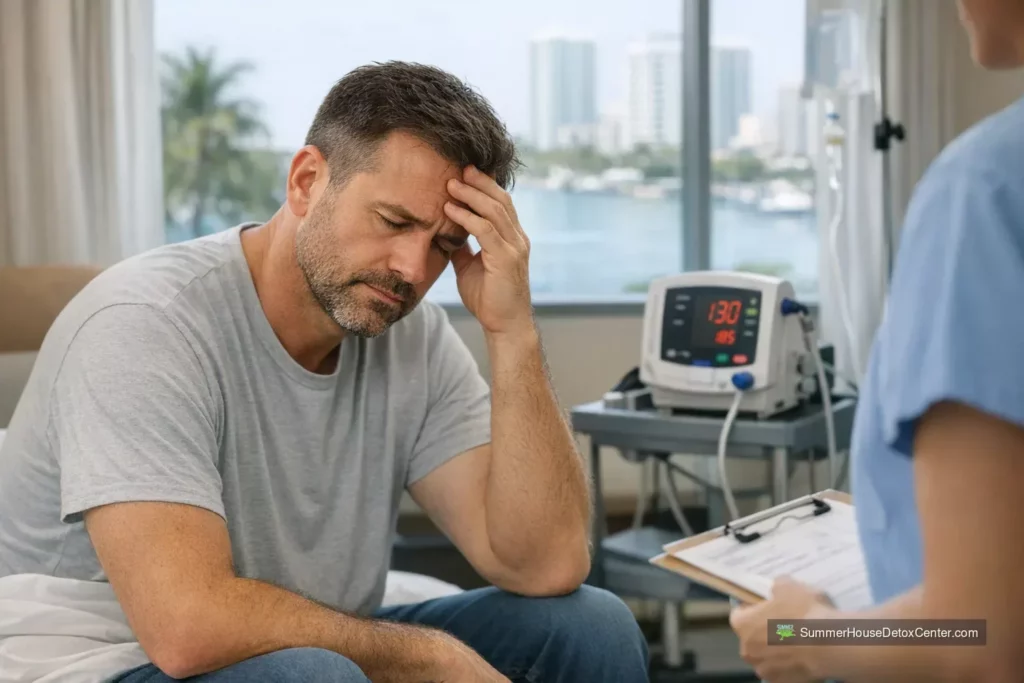
For many adults in South Florida, the decision to stop drinking starts with a simple hope: get through a rough few days at home and move on. The problem is that alcohol withdrawal does not always stay mild. One of the more serious concerns is miami alcohol withdrawal blood pressure changes, including blood pressure spikes and a racing heart. Those shifts can be part of a dangerous withdrawal picture, especially for people with a long history of heavy drinking, prior detox attempts, or underlying health issues.
If you or a loved one in Miami is trying to figure out whether symptoms are manageable or whether Alcohol Detox Center care is the safer next step, it helps to understand what elevated risk actually looks like. Below, we break down how alcohol withdrawal affects blood pressure, what warning signs matter, and what medically supervised alcohol detox in Miami typically involves.
Can Alcohol Withdrawal Cause Blood Pressure Spikes?
Yes. Alcohol withdrawal can cause blood pressure to rise, sometimes quickly. It can also increase heart rate, trigger sweating, intensify anxiety, and create a sense that the body is “revved up.” For some people, these symptoms stay uncomfortable but manageable. For others, they are early signs of a more dangerous withdrawal process.
This is one reason so many people search for terms related to alcohol withdrawal high blood pressure and blood pressure spikes during alcohol withdrawal. The concern is real. When someone has been drinking heavily or regularly, the brain and nervous system adapt to the presence of alcohol. Once alcohol is removed, the body can rebound into a hyperactive state. That can show up as:
- Elevated blood pressure
- Rapid pulse or pounding heartbeat
- Tremors
- Restlessness or agitation
- Insomnia
- Nausea and vomiting
- Intense sweating
- Worsening anxiety
In Miami, adults sometimes assume that if they are still conscious and talking, the situation is not serious. That is not always true. Blood pressure and heart rate can become medically concerning before a person realizes how unstable they are. This is especially important if symptoms start escalating within hours of the last drink.
Is High Blood Pressure During Alcohol Withdrawal an Emergency?
It can be. High blood pressure during withdrawal deserves urgent attention when it happens alongside other dangerous alcohol withdrawal signs, such as confusion, chest pain, trouble breathing, severe shaking, hallucinations, seizures, or a major change in mental status. Even without those symptoms, very high blood pressure in a person going through alcohol withdrawal can signal that the body is under significant stress and needs medical evaluation.
A safe rule is this: if withdrawal symptoms feel stronger than expected, keep worsening, or include cardiovascular symptoms like pounding heartbeat, severe sweating, or marked blood pressure changes, it is time to stop guessing and get assessed.
Why Blood Pressure Can Rise During Alcohol Detox
Alcohol slows parts of the central nervous system. Over time, the body adjusts to that depressant effect. When drinking suddenly stops, the nervous system may rebound in the opposite direction. Instead of being slowed down, it becomes overactive. That overactivity can increase stress hormones, tighten blood vessels, and push heart rate and blood pressure higher.
That is the practical reason miami alcohol withdrawal blood pressure concerns should not be brushed off. What looks like “just anxiety” may actually be part of a broader withdrawal syndrome that needs monitoring.

Blood pressure can also rise more sharply when withdrawal comes with:
- Dehydration
- Vomiting
- Poor sleep
- Panic symptoms
- Existing hypertension
- Use of other substances
- Repeated withdrawal episodes over time
Some adults in Miami, Fort Lauderdale, or Boca Raton may already have a history of high blood pressure before detox begins. In those cases, alcohol withdrawal can complicate an already sensitive cardiovascular situation. That does not automatically mean severe withdrawal will happen, but it does raise the need for careful screening.
How Long Do Blood Pressure Spikes Usually Last During Alcohol Withdrawal?
The answer varies. For many people, alcohol withdrawal symptoms begin within several hours after the last drink and intensify over the first day or two. Blood pressure and heart rate changes often follow that same pattern, but there is no exact timeline that fits everyone. Severity depends on how much and how often the person drinks, prior withdrawal history, age, medical conditions, and whether other substances are involved.
If you want a clearer sense of timing, Summer House Detox Center has a helpful overview in Everything You Need to Know About the Alcohol Detox Timeline. The key point is that symptoms can evolve fast, and waiting to see if they settle down can become risky when blood pressure, heart rate, or mental status are changing.
Warning Signs That Waiting It Out May Not Be Safe
People often try to compare themselves to someone else’s withdrawal experience. That can be misleading. Not all alcohol withdrawal is identical in severity, and a person who “got through it at home last time” may not have the same outcome on the next attempt.
Below are warning signs that suggest when to go to detox for alcohol withdrawal is not really a question anymore. It is time for medical evaluation.
Symptoms That Raise Immediate Concern
- Noticeable blood pressure spikes during alcohol withdrawal
- Fast or irregular heartbeat
- Chest pain or pressure
- Severe tremors
- Repeated vomiting or inability to keep fluids down
- Confusion, disorientation, or not making sense
- Seeing or hearing things that are not there
- Seizure activity
- Extreme agitation or panic that will not ease
- Fever or signs of serious medical instability
These are not symptoms to monitor casually at home. They are signs that supervised detox may be the safer setting.
Why Cost Concerns Should Not Delay Screening
One common reason people wait is fear of cost. Families may wonder whether detox is really necessary or whether they should save money by trying to push through at home first. The problem is that untreated withdrawal can become more medically complex, which may lead to a more urgent and more expensive crisis later.
A screening call can help sort out whether symptoms suggest a mild course or whether there are signs pointing toward the need for medical alcohol detox Miami services. That kind of evaluation is often the most practical next step because it replaces guessing with a real risk review.

Who Is at Higher Risk for Severe Alcohol Withdrawal?
Some people are more likely than others to develop serious withdrawal complications. This is especially important for families across Miami, West Palm Beach, Delray Beach, and surrounding South Florida communities who are trying to decide whether to intervene early.
Higher-Risk Factors Include:
- Daily or near-daily heavy alcohol use
- Long-term drinking history
- Previous detox attempts
- Past seizures, hallucinations, or delirium during withdrawal
- Prior episodes of severe shaking, confusion, or extreme blood pressure elevation
- Older age
- Existing high blood pressure, heart disease, liver disease, or other medical conditions
- Use of benzodiazepines, opioids, or other drugs along with alcohol
- Poor nutrition or dehydration
- Lack of stable supervision at home
Repeated withdrawals can matter more than people realize. A person who has stopped and restarted drinking multiple times may become more vulnerable to intense symptoms with future attempts. That is one reason a short phone assessment with admissions can be so valuable: it helps identify risk patterns that families may not know to look for.
Who in Miami Should Avoid Trying to Detox From Alcohol at Home?
Adults in Miami should avoid home detox if they have a history of severe withdrawal, have high blood pressure or other major health concerns, are experiencing worsening symptoms, drink heavily every day, use multiple substances, or do not have reliable support nearby. Home withdrawal is also a poor choice if the person has become confused, is hallucinating, cannot keep fluids down, or has had previous seizures.
In short, if there is any meaningful question about safety, the safer route is professional evaluation. Many people entering care for alcohol detox are not “at rock bottom.” They are simply recognizing that the medical risk is too high to ignore.
What Medical Detox in Miami Typically Involves
For adults looking into an alcohol detox center Miami option, it helps to know what actually happens. Medically supervised detox is not just “being watched.” It is a structured clinical process designed to assess symptoms, monitor changes, and stabilize the person as alcohol leaves the system.
Initial Assessment
The process usually starts with a screening and intake assessment. Staff gather information such as:
- How much alcohol the person has been using
- How often they drink
- When they had their last drink
- Whether they have tried to quit before
- Any history of seizures, hallucinations, or severe withdrawal
- Medical conditions, including blood pressure issues
- Current medications
- Use of other substances
This helps determine the likely level of withdrawal risk and whether medical detox is appropriate.
Monitoring and Stabilization
During detox, clinical staff may monitor vital signs, including blood pressure, pulse, temperature, and respiration. They also watch for changes in orientation, tremors, sweating, agitation, and other signs of escalating withdrawal. If symptoms intensify, medical staff can respond in a timely way rather than hoping things settle on their own.
This is the main difference between trying to “tough it out” and choosing supervised detox. In a monitored setting, symptoms are not ignored until they become a crisis. They are watched, tracked, and addressed as part of the detox plan.

What Families Can Realistically Expect
Families should expect evaluation, symptom monitoring, and recommendations for the next level of care after detox. Detox is often the first stage, not the whole recovery process. Once the person is medically stabilized, they may transition into inpatient rehab or another treatment plan that supports ongoing sobriety and relapse prevention.
For people who need broader addiction care after alcohol detox, Summer House Detox Center also provides support related to alcohol detox florida needs and other recovery pathways in South Florida. If alcohol use is mixed with other substances, the need for a broader addiction plan becomes even more important. In those situations, a page like miami drug rehab may also be relevant for understanding the next treatment step.
What Happens During a Medically Supervised Alcohol Detox Assessment?
A medically supervised alcohol detox assessment generally includes a review of alcohol use history, withdrawal history, current symptoms, vital signs, mental status, and other health factors. The goal is to identify whether the person is showing signs of mild, moderate, or potentially severe withdrawal and whether blood pressure changes, heart rate, or symptom progression point to the need for active medical monitoring.
That assessment also helps set expectations. Some people need detox followed by inpatient rehab. Others may need stabilization first and then a more personalized recovery recommendation. The point is not to overpromise. The point is to choose the level of care that fits the actual risk.
How to Decide Between Home Withdrawal and Supervised Detox
Many adults in Miami search for alcohol withdrawal symptoms Miami because they are trying to judge whether they can handle it alone. A practical decision starts with asking not “Can I do this at home?” but “What are the consequences if this gets worse tonight?”
Home Withdrawal May Be Unsafe If:
- You have had severe withdrawal before
- Your blood pressure or pulse is climbing
- You feel increasingly shaky, sweaty, panicked, or disoriented
- You have underlying health conditions
- You are withdrawing from alcohol plus another substance
- No reliable adult is present to notice worsening symptoms
- You are already asking whether your symptoms seem dangerous
If any of those apply, supervised detox is usually the safer option.
Questions to Ask When Comparing Detox Programs
When evaluating a Miami detox option, families should look for practical details rather than broad marketing claims. Good questions include:
- How is withdrawal severity assessed on admission?
- Are vital signs monitored regularly during detox?
- How does the program respond if blood pressure rises or symptoms intensify?
- What happens if the person needs a higher level of medical attention?
- What are the next-step treatment options after detox?
- How does the admissions team evaluate prior withdrawal history?
These questions help identify whether a program is equipped to handle real withdrawal risk, not just basic observation.
Will Insurance Usually Help Cover Alcohol Detox in South Florida?
Insurance often helps cover alcohol detox, but coverage varies by plan, provider network, medical necessity criteria, and level of care. The most efficient next step is usually a benefits check and admissions screening. That allows the program to review both the clinical picture and potential coverage rather than leaving families to guess. If someone is experiencing signs of alcohol withdrawal high blood pressure or other concerning symptoms, clinical safety should come first while insurance questions are being clarified.

When to Call for a Professional Evaluation
There is a big difference between feeling uncomfortable and showing signs that the body may not tolerate withdrawal safely. A professional evaluation makes sense sooner rather than later when there are blood pressure concerns, a history of severe symptoms, or visible escalation in the first hours after the last drink.
Call for an Evaluation If:
- You are worried about miami alcohol withdrawal blood pressure changes
- The person has a history of difficult detox attempts
- Symptoms are progressing instead of leveling off
- There is confusion about whether home detox is safe
- Family members are seeing sweating, shaking, agitation, or disorientation
- The person also needs a plan for inpatient rehab after detox
For many South Florida families, the hardest part is not making the call. It is spending hours trying to decide whether things are “bad enough” yet. If blood pressure changes, rapid heart rate, or withdrawal history are part of the picture, waiting for certainty can create unnecessary risk.
Frequently Asked Questions
Is high blood pressure during alcohol withdrawal always dangerous?
Not always, but it should never be dismissed. Mild elevations may occur with anxiety and early withdrawal, while more significant spikes can be part of a dangerous progression. The concern increases if blood pressure rises with severe tremors, confusion, hallucinations, chest pain, or a very fast pulse.
What are the most important dangerous alcohol withdrawal signs?
Key warning signs include severe shaking, seizures, hallucinations, confusion, extreme agitation, chest pain, uncontrolled vomiting, and marked changes in blood pressure or heart rate. These signs suggest the need for urgent medical evaluation.
Does medically supervised detox mean going straight into long-term rehab?
Not automatically, but detox is often the first step in a broader treatment plan. After stabilization, the clinical team can recommend whether inpatient rehab or another level of care makes sense based on the person’s substance use history, home environment, and relapse risk.
How is alcohol detox different from drug detox?
Both can involve withdrawal risks, but alcohol withdrawal has unique dangers, including seizures and serious autonomic instability such as rising blood pressure and pulse. If alcohol is being used along with other substances, assessment becomes even more important because the withdrawal picture may be more complicated.
A Safer Next Step for Miami Adults and Families
Alcohol withdrawal can raise blood pressure, increase heart rate, and create a withdrawal picture that becomes more dangerous than many people expect. For some adults, symptoms stay relatively mild. For others, blood pressure spikes during alcohol withdrawal, prior withdrawal history, or fast-moving symptoms make home detox a risky bet.
If you are in Miami or anywhere in South Florida and trying to decide whether symptoms can be watched at home or whether medical detox is the safer move, call Summer House Detox Center at (800) 719-1090 for an admissions screening. A focused evaluation can help determine whether current symptoms, blood pressure changes, or past withdrawal problems point to a medically supervised detox plan instead of trying to wait it out at home.
