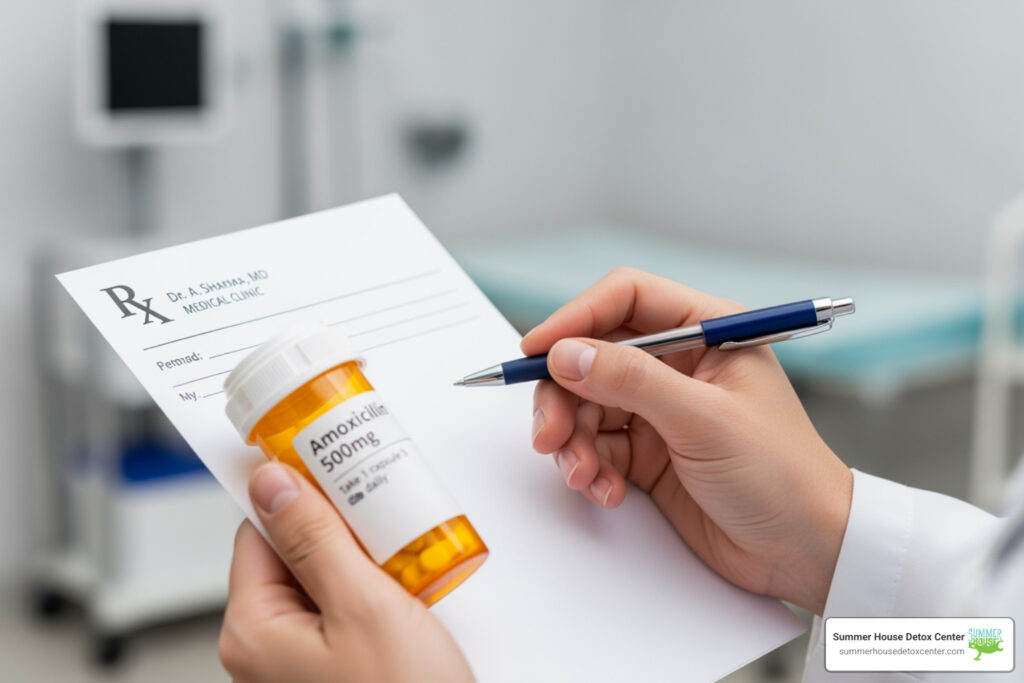
Understanding Your Treatment Options for Alcohol Withdrawal
Which medication class is commonly used to manage alcohol withdrawal? The definitive answer is Benzodiazepines. They are the gold standard and first-line treatment for managing alcohol withdrawal syndrome because they are proven to be safe and highly effective at preventing life-threatening complications like seizures.
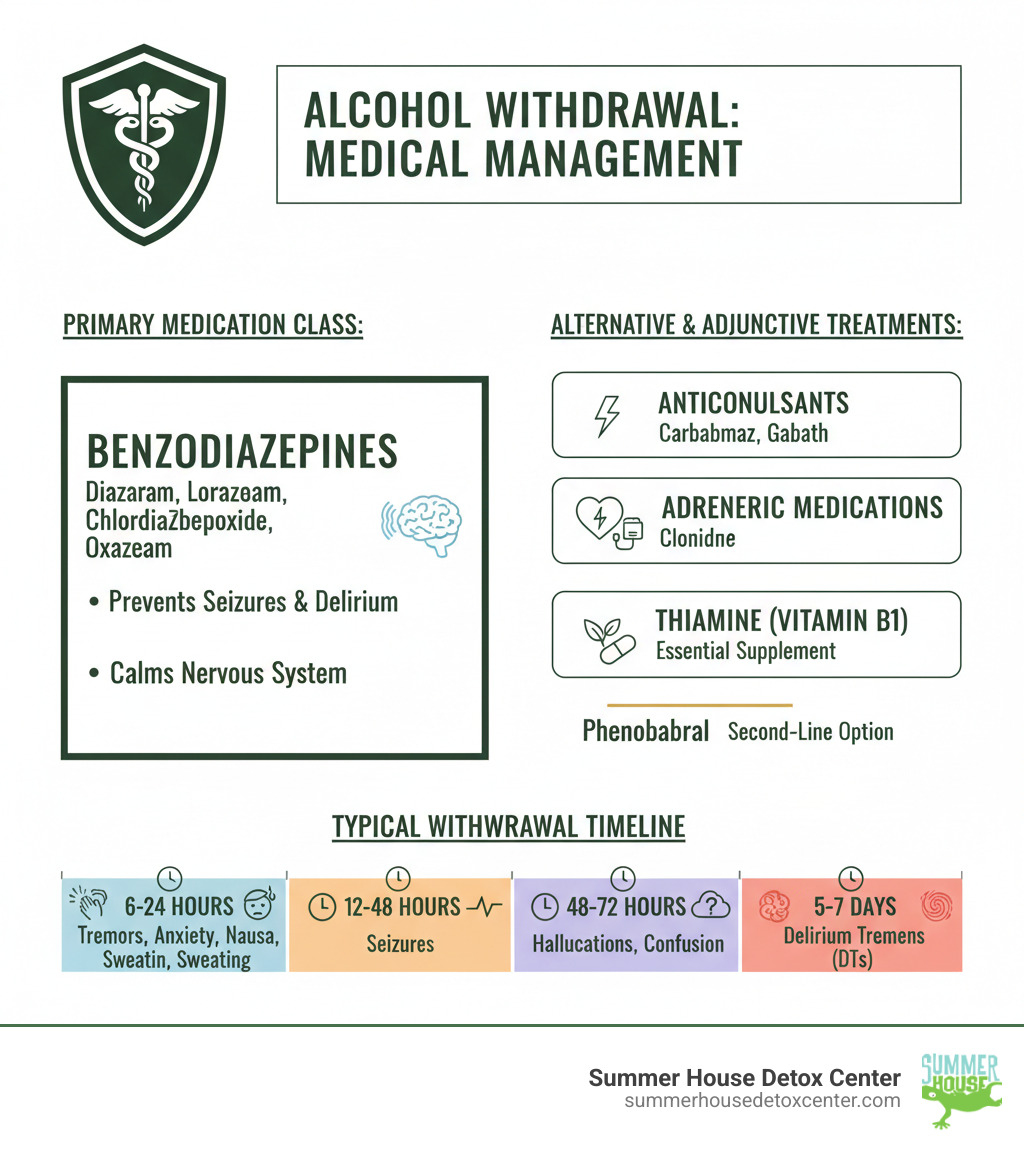
While benzodiazepines (like Diazepam and Lorazepam) are the primary treatment, a comprehensive plan also includes:
- Adjunctive Medications: Anticonvulsants or adrenergic medications may be used to manage specific symptoms.
- Thiamine (Vitamin B1): This essential supplement is given to prevent serious neurological complications.
If you’re struggling with alcohol dependence in Miami, the thought of withdrawal can be overwhelming. However, attempting to quit without professional help is dangerous. Alcohol withdrawal can be life-threatening, but with proper medical care, the risks are drastically reduced. Historically, severe withdrawal had a mortality rate of around 15%; today, with medically supervised detox, that rate is less than 1%.
Medical detox centers use proven medication protocols to keep you safe and comfortable. In Florida’s warm climate, where dehydration adds another layer of risk, a medically supervised detox in Miami is not just about comfort—it’s about ensuring your safety and providing a solid foundation for lasting recovery.
Navigating Alcohol Withdrawal: A Guide to Medical Detox in Florida
Alcohol Withdrawal Syndrome (AWS) occurs when someone physically dependent on alcohol suddenly stops or reduces their intake. This throws the central nervous system into a state of hyperexcitability, causing symptoms that range from anxiety and tremors to life-threatening seizures.
This dangerous overactivity happens because chronic alcohol use disrupts the brain’s natural balance of neurotransmitters (GABA and glutamate). When alcohol is removed, the brain becomes overstimulated, making unsupervised withdrawal incredibly risky. The timeline and severity of symptoms are unpredictable, often starting within 6 hours and peaking days later.
The importance of medical supervision cannot be overstated. Attempting to quit “cold turkey” is dangerous, as the body’s reaction can be overwhelming. At Summer House Detox Center in Miami, our team provides medically supervised detox to safely manage these risks.
Furthermore, a phenomenon known as “kindling” means that withdrawal symptoms can become more severe with each repeated attempt to quit. This increases the risk of complications, making professional medical management essential for every detox episode.
Benzodiazepines: The Gold Standard for Alcohol Withdrawal Management
When doctors discuss which medication class is commonly used to manage alcohol withdrawal, one name stands out: benzodiazepines. They aren’t just common; they are the gold standard—the first-choice treatment backed by decades of research and proven success.
How Benzodiazepines Work During Withdrawal
Alcohol withdrawal throws your brain’s chemistry out of balance. Benzodiazepines work by acting on the same calming receptors (GABA-A) that alcohol affected. They safely and controllably mimic some of alcohol’s effects, calming the overactive nervous system. This action is what reduces anxiety, stops tremors, and, most critically, prevents life-threatening complications like seizures and delirium tremens.
According to a systematic review on treating alcohol withdrawal, benzodiazepines have the strongest evidence base of any medication for preventing serious complications. At Summer House Detox Center in Miami, we use these medications to make the detox journey safer and more comfortable.
Why Are Benzodiazepines the Primary Medication Class for Alcohol Withdrawal?
Medical professionals choose benzodiazepines for several key reasons:
- Symptom Reduction: They are highly effective at easing the anxiety, agitation, tremors, and insomnia of withdrawal.
- Safety and Evidence: When used in a monitored medical setting, they have an excellent safety profile. Decades of research, including meta-analyses, confirm their superiority over other treatments for acute withdrawal. Benzodiazepines for alcohol withdrawal
- Prevention of Severe Complications: Most importantly, they are the best medication class at preventing seizures and delirium tremens, the two deadliest withdrawal events.
- Comfort: Their sedative and anti-anxiety properties make the entire detox process more bearable.
Common Benzodiazepines Used and Their Dosing Regimens
Our medical team in Miami chooses the right benzodiazepine based on your individual health needs.
- Long-acting benzodiazepines like diazepam (Valium) and chlordiazepoxide (Librium) provide smooth, steady relief and are often a first choice. They require careful monitoring, especially in older patients or those with liver issues.
- Intermediate/short-acting options like lorazepam (Ativan) and oxazepam (Serax) are safer for individuals with liver disease or respiratory concerns, as they are processed differently by the body. Lorazepam is a frequent choice in Florida detox facilities for this reason.
Our medical team uses established dosing strategies, such as symptom-triggered therapy, where medication is given based on your assessed symptoms (using a tool like the CIWA-Ar scale). This personalized approach often reduces the total amount of medication needed and can shorten the detox duration. Clinical Institute Withdrawal Assessment (CIWA-Ar)
Potential Side Effects and Contraindications
Like all powerful medications, benzodiazepines have potential side effects, but in a supervised setting like Summer House Detox Center, these risks are carefully managed. Common side effects include drowsiness and dizziness, which can be beneficial during detox. More serious risks like respiratory depression are minimized through constant monitoring.
It’s also important to know that benzodiazepines can be habit-forming. This is why they are only used for the short duration of acute detox (typically 5-7 days) under a strict, tapering protocol. You will not develop a new addiction in our care.
Before any treatment, our team conducts a thorough medical assessment of your health history and current condition to create a plan that is both safe and effective for you. More info about our medically supervised detox
Supportive and Adjunctive Care in Alcohol Withdrawal Management
While benzodiazepines are the answer to which medication class is commonly used to manage alcohol withdrawal, they are part of a larger, comprehensive approach. At Summer House Detox Center in Miami, we know that effective withdrawal management requires addressing every aspect of your well-being.

The Role of Supportive Measures in Detox
A calm, quiet environment is essential medical treatment during detox, not a luxury. Supportive care helps soothe an overactive nervous system. We ensure our rooms are comfortable, provide 24/7 monitoring of vital signs, and offer constant emotional support. In Florida’s climate, we also prioritize hydration, often with IV fluids, to prevent dehydration, a common complication of withdrawal.
This combination of a supportive environment and compassionate care works hand-in-hand with medication to reduce agitation and anxiety, making the process safer. This is especially true for those with mild-to-moderate withdrawal, where these measures can significantly improve outcomes. Update on adjunctive therapies for the treatment of alcohol withdrawal
What If Benzodiazepines Aren’t Suitable?
Medical treatment is never one-size-fits-all. For some patients, such as those with severe respiratory issues or a history of allergic reactions, benzodiazepines may not be the best option. In other cases, additional medications are needed to control symptoms that persist despite benzodiazepine treatment.
Our physicians may use:
- Anticonvulsants (e.g., gabapentin, carbamazepine) as alternatives or adjuncts to help prevent seizures and ease anxiety.
- Adrenergic medications (e.g., clonidine) to specifically target autonomic symptoms like a racing heart or high blood pressure. These are used alongside benzodiazepines, not as a replacement for preventing severe complications.
Newer options like baclofen are also being explored for withdrawal management. All medication decisions at Summer House Detox Center are made by a physician after a comprehensive individual assessment, ensuring your treatment plan is custom to your unique needs in our medically supervised setting. Alcohol Withdrawal Syndrome: Benzodiazepines and Beyond
The Complete Picture: Supportive Care and Assessment in Miami
When you arrive at Summer House Detox Center in Miami, you enter a comprehensive care environment. Managing withdrawal in Florida requires more than knowing which medication class is commonly used to manage alcohol withdrawal; it demands careful assessment and addressing the nutritional deficiencies that accompany alcohol use disorder.
How Is Withdrawal Severity Assessed?
To provide personalized care, we must know exactly how you are feeling. We use the CIWA-Ar scale (Clinical Institute Withdrawal Assessment for Alcohol, Revised), a validated 10-symptom questionnaire that scores the severity of your withdrawal. A score of 16 or higher indicates severe withdrawal and a high risk for complications, signaling the need for immediate medical intervention.
Our clinicians use this scale throughout your stay to guide medication dosing, ensuring you get enough to be safe without being oversedated. Link to a PDF of the CIWA-Ar scale. We also constantly monitor vital signs like heart rate and blood pressure, which provide objective data about your body’s stress level.
The Critical Role of Thiamine and Nutrition
Chronic alcohol use robs the body of essential nutrients, most critically thiamine (Vitamin B1). A thiamine deficiency can lead to Wernicke-Korsakoff Syndrome, a severe and often permanent form of brain damage. To prevent this, every patient at our Miami facility receives thiamine supplementation, often intravenously at first for rapid absorption.
Alcohol use also causes dehydration and depletes electrolytes like magnesium, potassium, and phosphate. These imbalances can worsen withdrawal and trigger seizures or heart problems. We correct these issues with IV fluids and targeted electrolyte replacement. Magnesium, in particular, helps reduce tremors and agitation.
This comprehensive nutritional support, including a full multivitamin, is a cornerstone of safe detox. It gives your body the fuel it needs to heal. B-vitamin deficiency and neuro-psychiatric syndromes in alcohol misuse
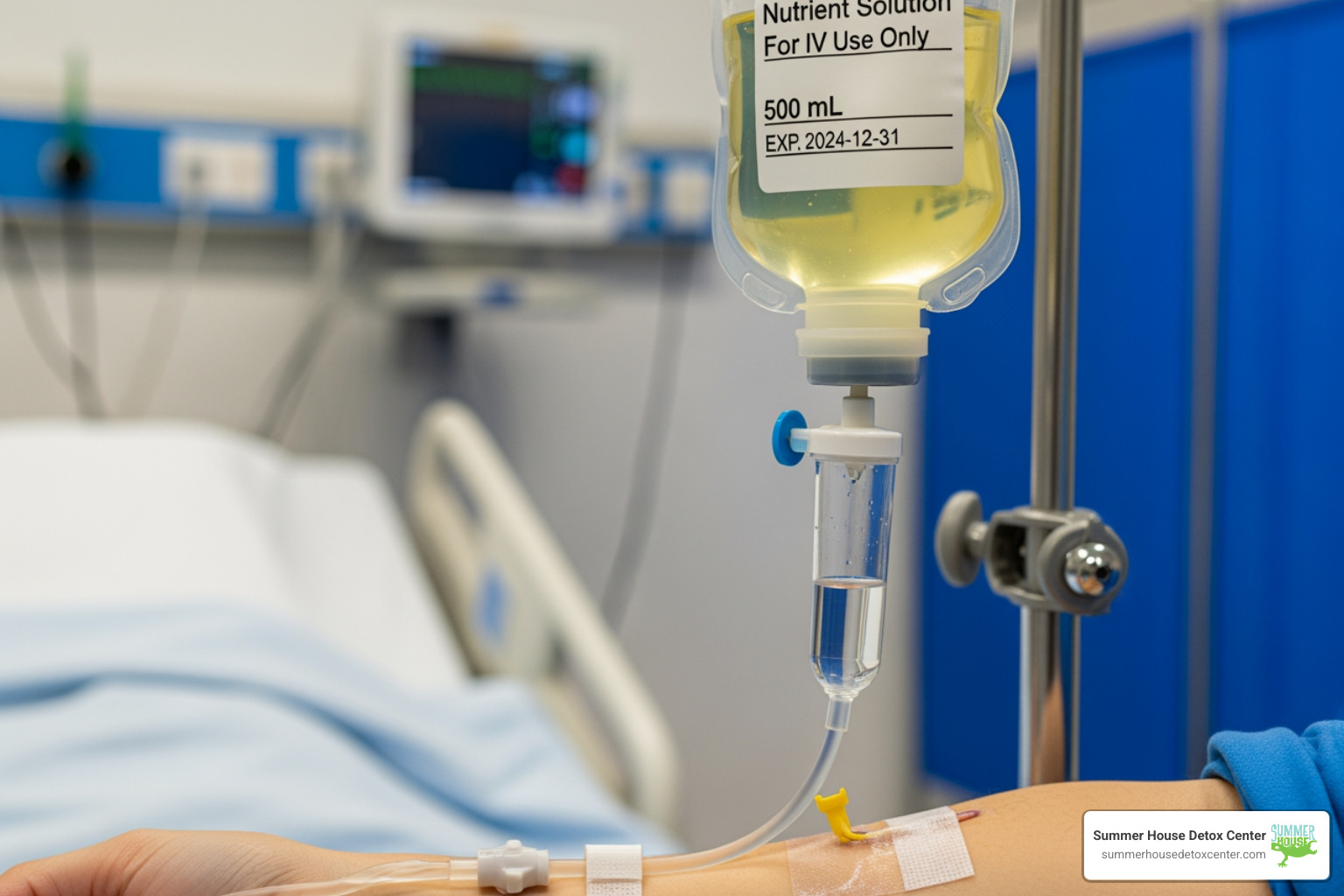
This approach—combining vigilant assessment, medication, and nutritional support—makes your detox as safe and comfortable as possible.
After Detox: Emergency Care and Long-Term Recovery
Completing medical detox is a monumental first step, but it is the beginning of recovery, not the end. The focus now shifts to relapse prevention and continued treatment for Alcohol Use Disorder (AUD). At Summer House Detox Center in Miami, we prepare you for what comes next, connecting you with the resources needed for lasting sobriety.

When to Seek Emergency Help for Alcohol Withdrawal
While our staff monitors for complications 24/7, recognize emergency signs if you or someone you know is attempting withdrawal outside of a medical facility. Call 911 in Florida immediately if any of the following occur:
- Seizures of any kind.
- Hallucinations (seeing, hearing, or feeling things that aren’t there).
- Severe confusion or disorientation.
- Extreme agitation or uncontrollable tremors.
- High fever (above 101°F), a racing heart, or very high blood pressure.
These are symptoms of Delirium Tremens (DTs), the most severe form of withdrawal, which is a life-threatening medical emergency.
Steps Toward Maintaining Sobriety Post-Detox
Once you are medically stable, the psychological and emotional work of recovery begins. The goal is to build a fulfilling life without alcohol. Our team in Miami helps you create a solid aftercare plan, which may include:
- Behavioral Therapies: Approaches like Cognitive Behavioral Therapy (CBT) and group therapy help you develop coping skills and change thought patterns related to drinking.
- Medications for AUD: Your physician may discuss FDA-approved medications like Naltrexone, Acamprosate, or Disulfiram to help reduce cravings and support long-term abstinence.
- Support Groups: Peer groups like Alcoholics Anonymous (AA) provide invaluable fellowship and understanding. The Miami and South Florida area has a strong recovery community.
- Aftercare Planning: We facilitate connections to therapists, physicians, and support groups before you leave our care, ensuring a smooth transition.
Recovery is a journey, and having a strong support system is key. The National Institute on Alcohol Abuse and Alcoholism offers excellent resources to help. Rethinking Drinking resources from NIAAA
Seeking help is an act of courage. We are here to support you through detox and help you lay the groundwork for a healthier future.
Frequently Asked Questions about Alcohol Detox in Florida
What is the first-line medication for alcohol withdrawal?
When asked which medication class is commonly used to manage alcohol withdrawal, the answer is benzodiazepines. They are the gold standard treatment because they are most effective at preventing severe complications like seizures and delirium tremens. By calming the overexcited central nervous system, they provide a safe, medically supervised path through withdrawal.
Can alcohol withdrawal be managed at home in Florida?
Attempting to detox at home without medical guidance can be life-threatening. While very mild cases may be managed on an outpatient basis under strict medical supervision, moderate to severe withdrawal requires inpatient care. In South Florida’s climate, the risk of dehydration is higher, adding to the danger. The safest choice is always a professional medical detox facility like Summer House Detox Center.
How long does medical detox for alcohol last?
The acute phase of alcohol withdrawal typically lasts 5-7 days, but the exact timeline varies for each person. Factors like your drinking history, overall health, and severity of symptoms will determine the length of your stay. Our medical team in Miami creates a personalized plan and adjusts it as needed. You will remain in our care until you are medically stable and ready for the next step in your recovery.
Start Your Recovery Journey in Miami Today
You now know the answer to which medication class is commonly used to manage alcohol withdrawal: benzodiazepines, supported by comprehensive therapies and nutritional support. But knowledge is only the first step. True safety comes from a medical team that knows how to apply this knowledge to your unique situation.
At Summer House Detox Center in Miami, we understand that every person’s journey is different. Our medical approach is built around you. We tailor the specific medication, dosing, and supportive care to your health history and how your body responds during detox.
Our Miami facility is staffed by experienced medical professionals, some of whom are in recovery themselves. They bring not just clinical expertise but a genuine understanding of what you’re facing. We also account for regional factors, like Florida’s climate, where proper hydration is critical during detox.
When you walk through our doors, you enter a healing environment designed for your comfort and dignity. You will be monitored around the clock, receive the nutritional support your body needs, and rest in a calm setting. Most importantly, you will begin building a foundation for long-term sobriety.
The fear of withdrawal keeps too many people trapped. With proper medical care, it can be a safe, manageable process that launches you toward the life you deserve.
You don’t have to do this alone. Our team is here to provide expert care and compassionate support.
Take the courageous step toward a healthier future. Contact us for a confidential consultation today and find out how our personalized, medically supervised detox can help you reclaim your life. Your recovery journey in Miami starts here.
