
Why Understanding Valium Addiction Matters
Valium addiction help is available, and recovery is possible. This common benzodiazepine, often prescribed for legitimate medical reasons, has trapped millions of Americans in a cycle of dependence that can feel impossible to break.
If you need help right now:
- Medical detox is essential – Never quit Valium “cold turkey” as withdrawal can be life-threatening.
- Professional treatment works – Inpatient programs offer personalized care, typically for 30-90 days.
- Multiple options exist – Florida offers residential treatment, outpatient programs, and medication-assisted detox.
- Recovery is possible – Thousands overcome Valium addiction each year with proper support.
The statistics are sobering. In 2020, 4.9 million Americans misused prescription benzodiazepines, with nearly 1 million specifically misusing Valium (diazepam). Many never intended to become addicted—they simply followed their doctor’s orders.
Valium works by enhancing GABA, a neurotransmitter that calms the nervous system. While effective for anxiety, muscle spasms, and seizures, it also alters brain chemistry, creating dependence. Your brain adjusts by producing less natural GABA, meaning you need more Valium just to feel “normal.”
Here in Florida, the situation is especially urgent. The state’s struggle with substance misuse means counterfeit Valium pills, often laced with deadly fentanyl, circulate alongside legitimate prescriptions. Understanding the signs of addiction and knowing where to find help can save your life.
This guide covers everything you need to know about Valium addiction and recovery, from how it affects your brain to finding compassionate, medically supervised treatment in Miami.
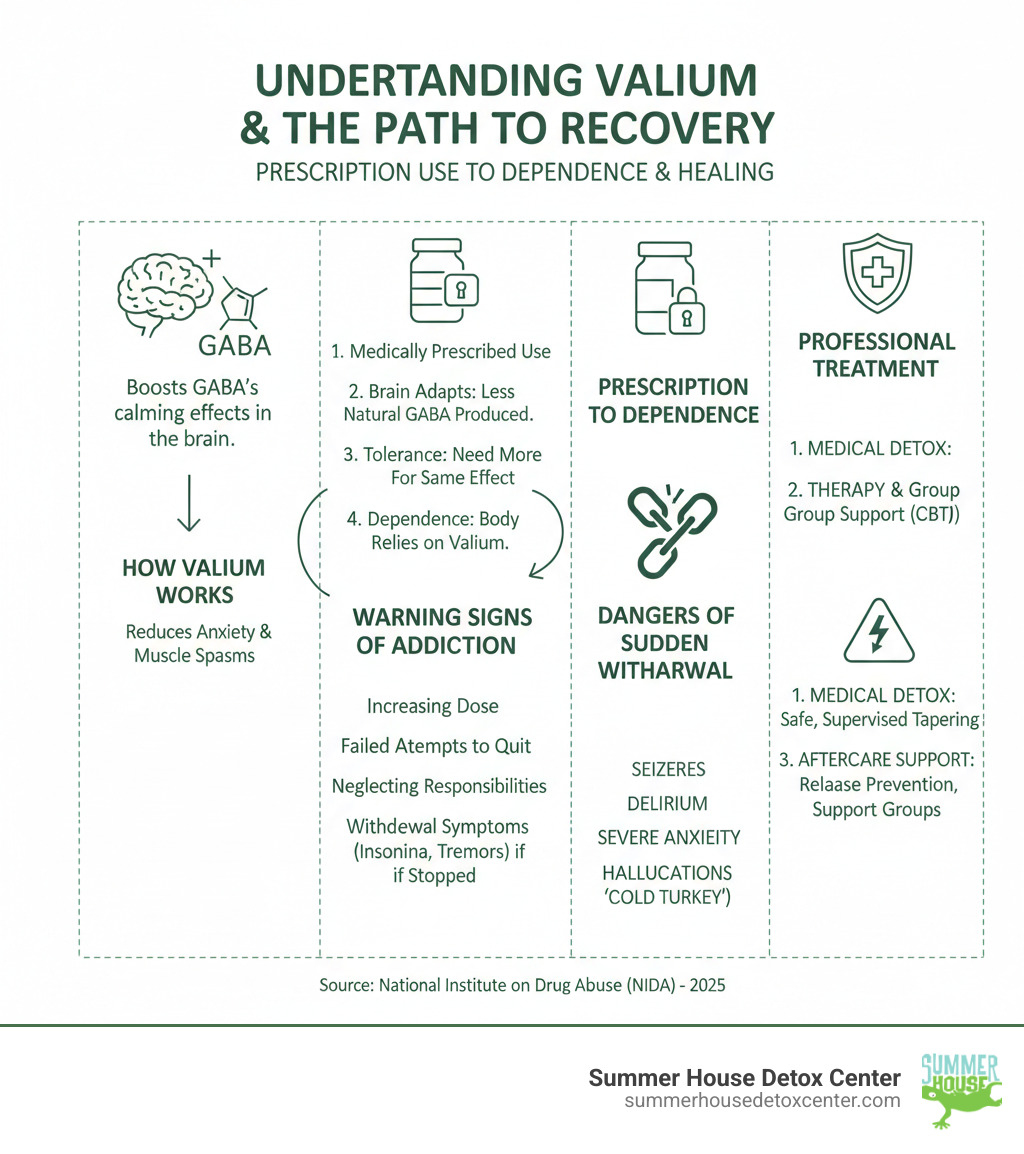
Understanding Valium: From Prescription to Dependence
Most people who need Valium addiction help never intended to become addicted. They followed their doctor’s orders, but even when used as prescribed, Valium can quietly transform from a helpful medication into a dependency.
Valium—generically known as diazepam—is a benzodiazepine and central nervous system depressant. Doctors prescribe it for anxiety, muscle spasms, seizures, and alcohol withdrawal. It works by enhancing GABA (gamma-aminobutyric acid), your brain’s natural calming neurotransmitter. This brings relief from panic, racing thoughts, and tense muscles.
However, the brain adapts. With consistent Valium use, often within weeks, your brain reduces its natural GABA production. This leads to tolerance, where the original dose no longer works as well. Soon, your body becomes physically dependent on Valium to function normally. Without it, your brain goes into overdrive, triggering withdrawal symptoms that range from uncomfortable to dangerous.
This risk is why the U.S. Drug Enforcement Administration classifies diazepam as a Schedule IV substance under the Controlled Substances Act, acknowledging its potential for dependence and misuse. The 2020 National Survey on Drug Use and Health found that 4.8 million people misused prescription benzodiazepines, with 971,000 of those misusing diazepam specifically.
Most people never saw it coming. They were managing anxiety or pain, not seeking a high. As we discuss in The Dark Side of Benzos, this entire class of drugs poses serious risks with long-term use.
The Difference Between Valium Dependence and Addiction
Understanding the distinction between physical dependence and addiction is crucial.
Physical dependence is a physiological state where your body has adapted to the drug’s presence. If you stop taking Valium suddenly, you will experience withdrawal symptoms. This can happen even when taking the medication exactly as prescribed.
Addiction is a complex medical condition involving compulsive drug-seeking and use despite harmful consequences. It includes a psychological component—an intense craving for Valium that drives behavior. Addiction involves a loss of control, where you might use more than intended or continue using despite damage to your health, job, or relationships. Clinicians use criteria from the DSM-5 to diagnose a “sedative use disorder,” which includes cravings, unsuccessful attempts to cut down, and continued use despite social problems.
Why Valium is So Addictive
Several factors make Valium particularly addictive:
- Brain chemistry changes: Within weeks of regular use, your brain’s neural circuits rewire. Natural GABA production decreases as the brain relies on the medication. This is a neurobiological process, not a moral failing.
- The dopamine reward pathway gets involved: Valium can indirectly influence the brain’s dopamine system, reinforcing the act of taking the pill beyond its therapeutic effects.
- Valium’s long half-life: As a long-acting medication, Valium remains in your system for an extended period. This constant exposure accelerates the development of tolerance and dependence.
- You’re chasing normal, not a high: This is the most insidious aspect. Many people take Valium just to function—to prevent overwhelming anxiety or get through the day. This creates a vicious cycle that is incredibly difficult to break on your own.
- Self-medication masks underlying problems: Valium can become a coping mechanism for stress, trauma, or untreated mental health conditions. As research on diazepam notes, it’s a risky long-term solution that leaves root causes unaddressed while dependence deepens.
If this sounds familiar, seeking Valium addiction help is a brave first step toward healing. Professional treatment programs in Miami and throughout Florida understand these challenges and can provide the medically supervised support you need.
Recognizing the Signs and Dangers of Valium Misuse
The line between prescription use and a problem can be blurry. The need for Valium addiction help often emerges slowly, making it hard to recognize until you’re in deep.
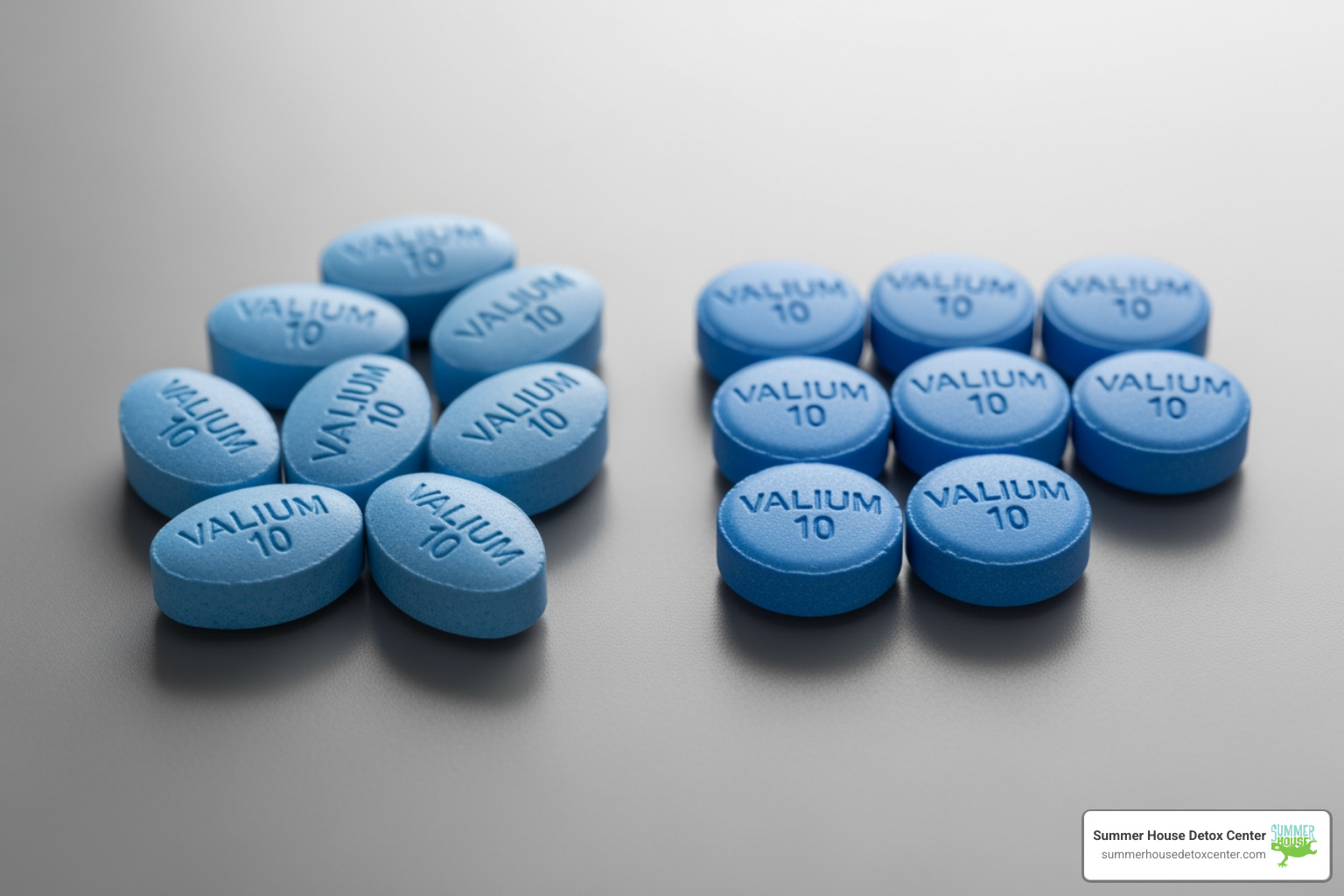
Warning signs can be both physical and behavioral. You might feel constantly drowsy, slur your words, or notice impaired coordination. Confusion and memory problems are common, leaving unsettling gaps in your day. Behavioral changes often cause the most damage: doctor shopping for more prescriptions, withdrawing from social life, and neglecting responsibilities at work or home. Secretive behavior, like hiding pills or lying about doses, is a classic symptom of addiction taking hold. Despite seeing the negative consequences, the craving to use continues because your brain believes it can’t function without the drug.
The Risk of Overdose and Counterfeit Pills
In Florida, the Valium addiction crisis has a dangerous twist. While overdosing on Valium alone is uncommon, the risk skyrockets when it’s mixed with other substances.
Polysubstance use is now the norm. Combining Valium with alcohol or opioids multiplies their effects as central nervous system depressants. This synergy can slow your breathing and heart rate to a fatal stop. We cover this in detail in what happens if you drink alcohol while using benzos. An overdose may start with severe drowsiness and confusion, leading to dangerously low blood pressure, loss of consciousness, and respiratory depression—the silent killer in these situations.
An even more insidious threat in Florida is counterfeit pills. Data from the U.S. Drug Enforcement Administration shows that fake pills designed to look like Valium are flooding the market. These pills frequently contain fentanyl, a substance so potent that a dose the size of a few grains of salt can be lethal. The DEA reports that two out of every five counterfeit pills contain a potentially fatal amount of fentanyl.
If you buy pills from any source other than a licensed pharmacy, you are taking a massive risk. This isn’t to scare you—it’s to save your life. If you witness someone showing signs of an overdose (slowed breathing, severe confusion, loss of consciousness), call 911 immediately. In Florida’s current climate, getting Valium addiction help is not just about improving your life; it’s about survival.
The Critical Role of Medical Detox for Valium Withdrawal
Stopping Valium is terrifying for a reason: withdrawal is dangerous and requires specialized Valium addiction help. Quitting “cold turkey” without medical supervision isn’t just painful—it can be fatal.

When you abruptly stop Valium, your dependent brain goes into shock. The most dangerous risks are seizures, which can be fatal, and delirium tremens, a severe condition involving confusion, hallucinations, and a rapid heart rate. Other symptoms include overwhelming panic attacks and suicidal thoughts. This is why professional medical detox is essential. As we explain in “The Importance of Medically Supervised Detox: Why DIY Detox Can Be Dangerous“, attempting to detox at home is a life-threatening gamble. Your body needs expert medical care to heal safely, a process detailed in “The Science Behind Detox: How the Body Heals From Substance Abuse.”
Valium Withdrawal Timeline and Symptoms
Because Valium has a long half-life, withdrawal symptoms may not begin for 12 to 24 hours. The process often unfolds in phases:
- Early Withdrawal (Days 1-4): Rebound anxiety, insomnia, irritability, and restlessness.
- Acute Withdrawal (Peaks Days 5-15, can last weeks): This is the most challenging phase. Symptoms include headaches, nausea, tremors, muscle pain, racing heart, and hypersensitivity to light and sound. More severe cases can involve hallucinations, psychosis, or seizures. Digestive issues are also common, which we explore in “Why Do I Experience Stomach and Digestive Problems When Quitting Benzos?“.
- Post-Acute Withdrawal Syndrome (PAWS): Milder but persistent symptoms like anxiety, mood swings, and sleep issues can linger for months. Our guide “How Long Does Benzo Withdrawal Last?” offers a deeper look at this timeline.
Severity depends on dosage, duration of use, polysubstance use, and individual health.
How Medically Supervised Detox Works
Medically supervised detox is essential for safety. At Summer House Detox Center in Miami, our approach is designed to keep you safe and as comfortable as possible.
The core of our method is a gradual tapering schedule. We slowly reduce your dosage over time, allowing your body to adjust and minimizing withdrawal symptoms. This individualized plan is created specifically for your needs.
We also provide symptom management. While no FDA-approved medications exist specifically for benzo dependence, we use medications like Clonidine to manage physical symptoms and others to address psychological distress. The goal is to keep you safe and comfortable while your brain heals.
Most importantly, you receive 24/7 medical monitoring. Our experienced staff is always present to address any complications immediately, which is crucial given the risk of seizures. Our serene, private setting in Miami provides a sanctuary for healing, with supportive staff (some in recovery themselves) who understand your journey. We detail our supportive process in “Managing Withdrawal Symptoms: How Summer House Detox Center Helps You Through the Hardest Days.”
Medical detox stabilizes you physically, laying the foundation for the psychological work of recovery.
Finding Professional Valium Addiction Help in Florida
Detox is a monumental achievement, but it’s only the beginning. Professional Valium addiction help provides the comprehensive support needed to address the psychological, emotional, and behavioral patterns behind the addiction.
A structured treatment environment is free from daily triggers and provides access to professionals who understand benzodiazepine addiction. It’s where you can finally address the why behind your Valium use.
Often, Valium addiction co-occurs with other conditions. The Substance Abuse and Mental Health Services Administration (SAMHSA) reports that millions of adults struggle with co-occurring mental health and substance use disorders. If you began taking Valium for anxiety, for example, both the anxiety and the addiction must be treated simultaneously for a successful recovery.
Types of Valium Addiction Help Programs
Florida offers various treatment options to meet different needs.
Inpatient or residential treatment provides the highest level of care. It’s ideal if your addiction is severe or your home environment is not supportive of recovery. At Summer House Detox Center in Miami, inpatient treatment means living on-site with 24/7 medical and therapeutic support in a serene, private setting. Programs typically last 30 to 90 days, an investment in a lifetime of recovery.
Outpatient programs are a step-down level of care. Partial Hospitalization Programs (PHPs) involve intensive therapy during the day, while Intensive Outpatient Programs (IOPs) offer fewer hours per week, allowing for more flexibility with work or family. These programs help you apply recovery skills in the real world with continued professional support.
Our team at Summer House can assess your situation and recommend the right level of care for you.
Therapeutic Approaches for Valium Addiction Help
While detox clears the body, therapy rewires the brain. Effective treatment uses multiple approaches:
- Cognitive-Behavioral Therapy (CBT): Helps you identify and challenge negative thought patterns that fuel Valium use, replacing them with healthy coping strategies.
- Dialectical Behavior Therapy (DBT): Teaches skills in emotional regulation, distress tolerance, and mindfulness, which is especially helpful for intense emotions.
- Individual Counseling: Provides a private space to explore the root causes of your addiction, such as trauma or chronic stress, with a therapist.
- Group Therapy: Creates a powerful sense of community and reduces isolation by connecting you with peers who understand your struggle.
- Holistic Therapies: Yoga, meditation, art therapy, and nutritional counseling support your overall well-being and complement traditional treatment.
- Family Support: Family therapy helps mend relationships, improve communication, and educate loved ones on how to support your recovery.
This comprehensive approach, which we explore in our guide to “Benzo Addiction Recovery,” builds a strong foundation for lasting sobriety.
Life After Valium: Building a Foundation for Lasting Recovery
Completing treatment is a huge achievement, but it’s the start of your recovery journey. Valium addiction help doesn’t end at the facility door; lasting recovery requires ongoing support and a commitment to a new way of life.

Successful treatment provides a toolbox of relapse prevention strategies, a sober support network, and healthy coping mechanisms. Lifestyle changes are also powerful building blocks for a life in recovery. Regular exercise, balanced nutrition, and adequate sleep help heal your brain and stabilize your mood, while new hobbies can fill the time once spent using.
Aftercare and Community Support
Long-term sobriety thrives on connection. A solid aftercare plan is essential for transitioning from treatment back to daily life. Before you leave our Miami facility, we work with you to develop a personalized continuing care plan.
- Sober living homes offer a structured, drug-free environment to practice new skills with peer support.
- 12-step programs like Narcotics Anonymous (NA) provide peer support, mentorship, and a structured approach to recovery. Meetings are widely available throughout Florida.
- Nar-Anon Family Groups offer support for your loved ones, helping them heal and learn how to support your recovery.
- Ongoing therapy keeps you grounded and accountable, helping you refine coping skills and steer new challenges.
Preventing Relapse
Relapse prevention is about building a life so fulfilling you don’t want to risk it. This starts with identifying your triggers—the people, places, or emotions that make you vulnerable to using Valium.
Stress management techniques like mindfulness, meditation, or physical activity become your new tools for coping. While they may feel less immediate than a pill at first, they work better in the long run without the devastating consequences.
Building resilience happens one day at a time. Every challenge you face without using strengthens your inner resolve. Think of it like a muscle: the more you use it, the stronger it gets.
Celebrating milestones, whether it’s 30 days or one year, reinforces your progress and reminds you how far you’ve come.
Recovery isn’t a straight line. There will be hard days. What matters is having a strong support system and knowing that Valium addiction help is always available. Resources across Miami and Florida are ready to help you maintain your sobriety and build the life you deserve.
Frequently Asked Questions about Valium Addiction
Reaching out for Valium addiction help brings up many questions. Here are answers to what we hear most often from people in Miami and across Florida considering treatment:
Can you get addicted to Valium even when taking it as prescribed?
Yes. You can become physically dependent on Valium even when following your doctor’s instructions. This isn’t about willpower; it’s about brain chemistry. After just 4-6 weeks of consistent use, your brain adapts, developing tolerance and then dependence. This is why Valium is intended for short-term use. If you’re concerned about your use, honest communication with your doctor is a brave and essential step.
How long does Valium addiction treatment typically last?
There is no one-size-fits-all answer. Treatment duration depends on the severity of the addiction, duration of use, and other personal factors.
- Detox can last from a few weeks to several months due to the necessary slow tapering process for safety.
- Residential treatment at facilities like Summer House Detox Center in Miami typically lasts 30 to 90 days.
- Outpatient programs (PHP or IOP) can continue for several months as you reintegrate into daily life.
Recovery is a lifelong process. The goal is to build a life that supports long-term sobriety through aftercare, support groups, and personal growth.
What is the first step to getting help for Valium addiction?
The first and most powerful step is acknowledging you need help. If you’re reading this and it resonates, you’ve already started.
The next step is to reach out. You can call your doctor, a mental health professional, or a treatment center like Summer House Detox Center directly. A confidential helpline can also provide guidance.
This initial contact will involve an assessment to understand your situation and recommend the appropriate level of care. This is a judgment-free process to create a personalized treatment plan. Help is available right now in Miami and throughout Florida. You don’t have to wait for things to get worse to make the call that could get your life back.
Conclusion
If you’re reading this for yourself or a loved one, you’ve already taken the courageous first step: acknowledging that Valium addiction help is needed. What feels overwhelming now is manageable with the right support.
Valium addiction is a serious but highly treatable condition. Recovery is not just possible; it’s happening every day for people who once felt trapped.
Medical detox is the crucial first step for a safe recovery. Quitting Valium without medical supervision can be life-threatening. Comprehensive treatment then addresses the underlying causes of addiction—like anxiety, trauma, or stress—by teaching healthy coping mechanisms that lead to lasting recovery.
Here at Summer House Detox Center in Miami, we create personalized treatment plans custom to your specific needs. Our experienced staff, some of whom are in recovery themselves, provide compassionate, 24/7 care in a comfortable and serene setting. We focus on your dignity and long-term well-being, providing a sanctuary where you can begin to heal.
If you’re in Florida and ready to take the next step, we’re here to help. You don’t have to face this alone. Take the first step toward recovery by learning more about our specialized Benzo Detox services. Help is available now.
