
Why Florida Substance Abuse Deserves Your Attention Right Now
Florida substance abuse affects hundreds of thousands of residents across the state. If you’re searching for help, knowing what resources exist and how to access them is crucial.
Quick Overview: Florida Substance Abuse at a Glance
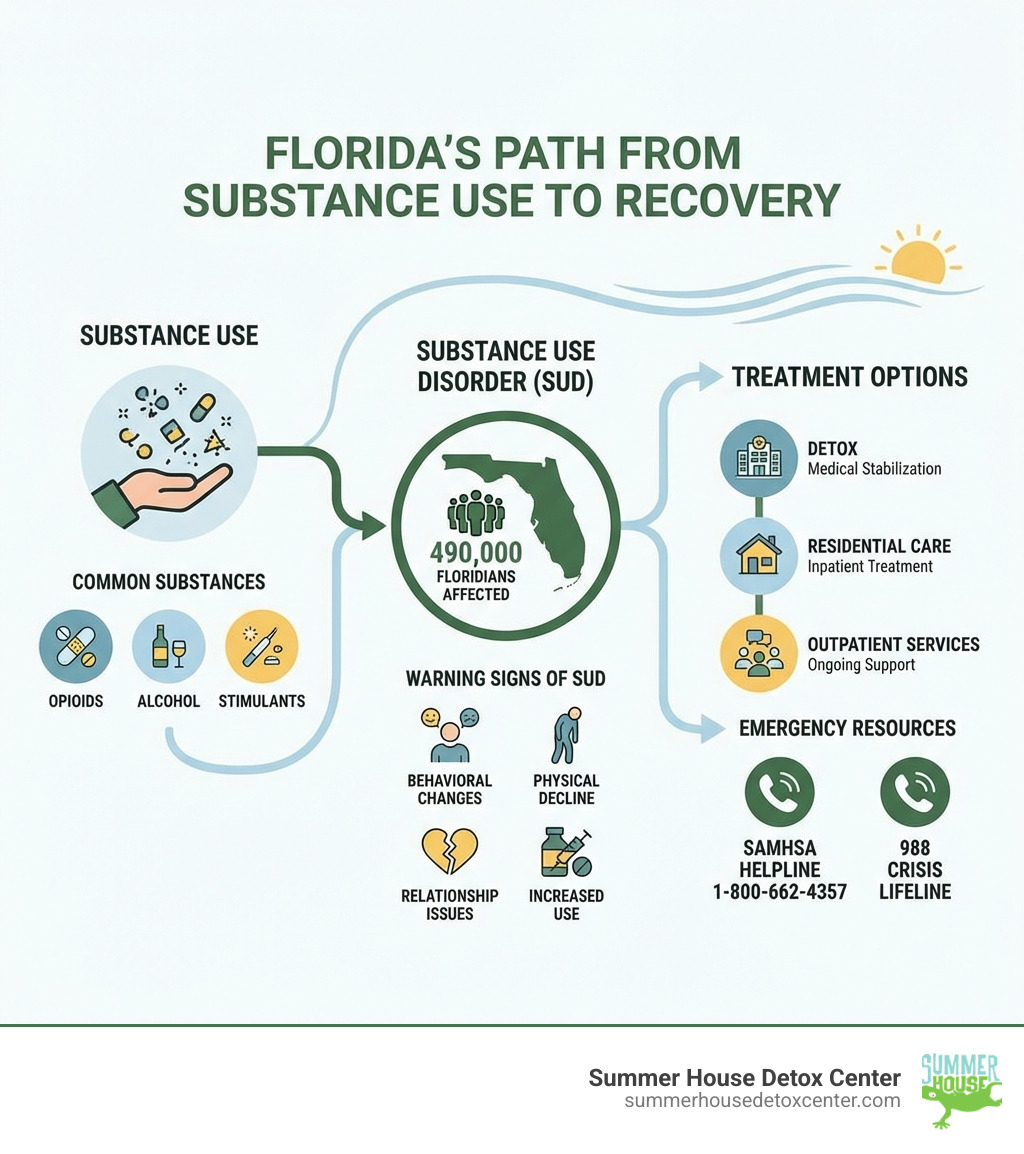
- Prevalence: Approximately 490,000 Florida residents aged 12+ struggled with illicit drug addiction in recent years
- Most Common Substances: Opioids (including fentanyl), alcohol, cocaine, methamphetamine, marijuana, and prescription drugs
- Overdose Crisis: 3,189 people died from opioid-involved overdoses in Florida in 2018
- Treatment Gap: Nationally, only 12.2% of people with substance use disorders receive treatment
- State Response: Florida’s SAMH Program oversees prevention, treatment, and recovery services statewide
You’re not alone in this struggle. The good news? Florida has significantly expanded its substance abuse treatment programs in recent years.
Drug trends in the state have shifted dramatically. Between 2003 and 2010, prescription opioid misuse was rampant. Now, counterfeit pills containing fentanyl and emerging threats like xylazine (a veterinary tranquilizer) are appearing in Florida’s illicit drug supply. Meanwhile, substances like tianeptine are sold in gas stations without FDA approval.
Understanding the challenge is the first step toward recovery. Florida’s warm climate and geographic location make it a major entry point for drug trafficking from South and Central America. This accessibility and the state’s large population create unique challenges for prevention and treatment.
But here’s what matters most: Florida has resources specifically designed to help you. From medical detox to outpatient counseling, from Medicaid-funded services to peer recovery support, the state has built a comprehensive system of care. You have legal rights to dignity, confidentiality, and non-discriminatory treatment.
This guide covers Florida’s substance abuse landscape—the statistics, the science of addiction, treatment options, and how to access help now. Whether you’re in Miami, along the Space Coast, or anywhere in the Sunshine State, recovery is within reach.
The Scope of Substance Use in Florida: Statistics and Trends
Understanding the numbers behind Florida substance abuse is crucial. These statistics show the issue’s magnitude and the urgent need for effective prevention and treatment strategies in our state.
Florida SUD Prevalence
Substance Use Disorders (SUDs) are a significant public health concern nationally and in Florida. In 2022, a staggering 48.7 million people, or 17% of the U.S. population aged 12 or older, had an SUD. How does Florida compare?
Between 2017 and 2019, approximately 6.3% of Florida residents aged 12 or older struggled with an SUD within the past year. This translates to roughly 490,000 Floridians struggling with illicit drug addiction. While this percentage is lower than the national average, it still represents hundreds of thousands of impacted lives. The 2023 National Survey on Drug Use and Health Data provides further insights into these trends.
The Florida Alcohol and Drug Abuse Association (FADAA) consistently monitors these patterns. Their annual reports, such as the 2024 Patterns of and Trends in Substance Use in Florida Annual Report Update and the 2023 Annual Update Report, offer updated data on substance use in Florida and the U.S., helping us stay informed.
Commonly Abused Substances in Florida
Understanding the specific substances most prevalent in Florida is vital. Our state faces unique challenges due to its geography and diverse population.
- Opioids and Fentanyl: The opioid crisis has hit Florida hard, with an exponential increase in overdoses associated with fentanyl. In 2018 alone, 3,189 people in Florida died from opioid-involved overdoses. Historically, between 2003 and 2010, Florida grappled with widespread prescription opioid misuse. As policies tightened, many shifted to heroin, a cheaper alternative, causing an 89% increase in heroin overdose fatalities between 2011 and 2012. Florida’s status as a major entry point for drug trafficking from South and Central America also increases the accessibility of illicit opioids. In 2024, provisional data shows over 11 million opioid prescriptions were dispensed, highlighting their continued presence.
- Counterfeit Pills: A disturbing trend involves counterfeit pills made to look identical to real prescription medications. For example, “Fake Xanax” often contains bromazolam, a synthetic benzodiazepine, leading to unexpected and dangerous overdoses. In 2019, 614 people in Florida died from an overdose involving alprazolam (Xanax), underscoring the danger of these illicit copies.
- Stimulants (Methamphetamine, Cocaine): After opioids, cocaine and other stimulants are the third most common illicit substances in Florida treatment admissions. Methamphetamine and cocaine use continues to pose a serious threat. Provisional data for 2024 indicates nearly 9.7 million stimulant prescriptions were dispensed, reflecting both legitimate medical use and potential for misuse.
- Alcohol: Despite the focus on illicit drugs, alcohol remains the most commonly abused substance in Florida. Its widespread availability contributes to high rates of misuse. In 2009, nearly 14,000 people were admitted for alcohol abuse treatment in Florida, with another 8,400 seeking help for alcohol combined with another drug.
- Marijuana: Consistent with national data, marijuana is the most popular illicit drug of abuse in Florida.
For a broader understanding of various substances, the 2024 Drugs of Abuse report is an invaluable resource.
Emerging Drug Trends
The Florida substance abuse landscape is constantly evolving. Staying informed about emerging drug trends is critical for effective prevention and treatment.

- Delta-8 THC: These products are increasingly found online and in gas stations and convenience stores across Florida. Delta-8 THC products have not been approved by the FDA for safe use, raising concerns about their unregulated nature and potential health risks.
- Tianeptine (“Gas Station Heroin”): Tianeptine is another substance sold in many states, including Florida, despite not being approved by the FDA. Often marketed as a supplement, it has opioid-like effects and can lead to severe addiction and withdrawal, earning it the moniker “gas station heroin.”
- Nicotine Pouches: These products contain highly addictive nicotine and are unfortunately gaining popularity. Nicotine is not safe, especially for youth, and these new forms of delivery present new public health challenges.
- Xylazine (Veterinary Tranquilizer): An alarming trend is the presence of xylazine, a non-opioid veterinary tranquilizer, in illicit drug supplies. Increasingly found in overdose deaths with fentanyl and heroin, xylazine complicates overdose reversal as it doesn’t respond to naloxone. For more information on this dangerous trend, see the Substance Use Trend Alert 1 – Xylazine.
These emerging trends highlight the dynamic nature of substance abuse and the need for continuous vigilance in our prevention and treatment strategies.
Understanding Substance Use Disorder: The Science and Diagnosis
Understanding Florida substance abuse goes beyond statistics; it requires delving into the “why” and “how” of addiction. Why do people start using substances, and how does this use escalate into a disorder that fundamentally changes the brain?
People often begin using substances for a variety of complex reasons. Many seek positive feelings like energy, focus, calm, relaxation, or creativity. Others use substances to self-medicate underlying pain or mental health conditions, attempting to alleviate distress or trauma. Some might use them to improve performance in academics, work, or sports. Experimentation and peer pressure, especially among young adults, are also significant factors. The Addiction Policy Forum provides a video explainer that walks through the science of addiction, which can be very insightful.
The role of social determinants of health is also critical. Factors like poverty, lack of access to healthcare, unstable housing, and social isolation can significantly increase the risk of substance use and hinder recovery. For instance, resources like the Homeless and Housing Resource Center and studies on the impact of COVID-19 on social isolation and loneliness shed light on how broader societal issues contribute to substance use. Trauma, whether from childhood experiences, violence, or other stressors, often underlies substance use as individuals attempt to cope with profound emotional pain. Furthermore, co-occurring mental health conditions like depression, anxiety, and PTSD are frequently intertwined with SUDs, making comprehensive, integrated treatment essential.
How SUD Affects the Brain
Substance Use Disorder is not a moral failing; it’s a chronic, treatable medical condition that profoundly affects brain chemistry and function. When someone repeatedly uses substances, their brain adapts, leading to significant changes that make it incredibly difficult to stop without support.
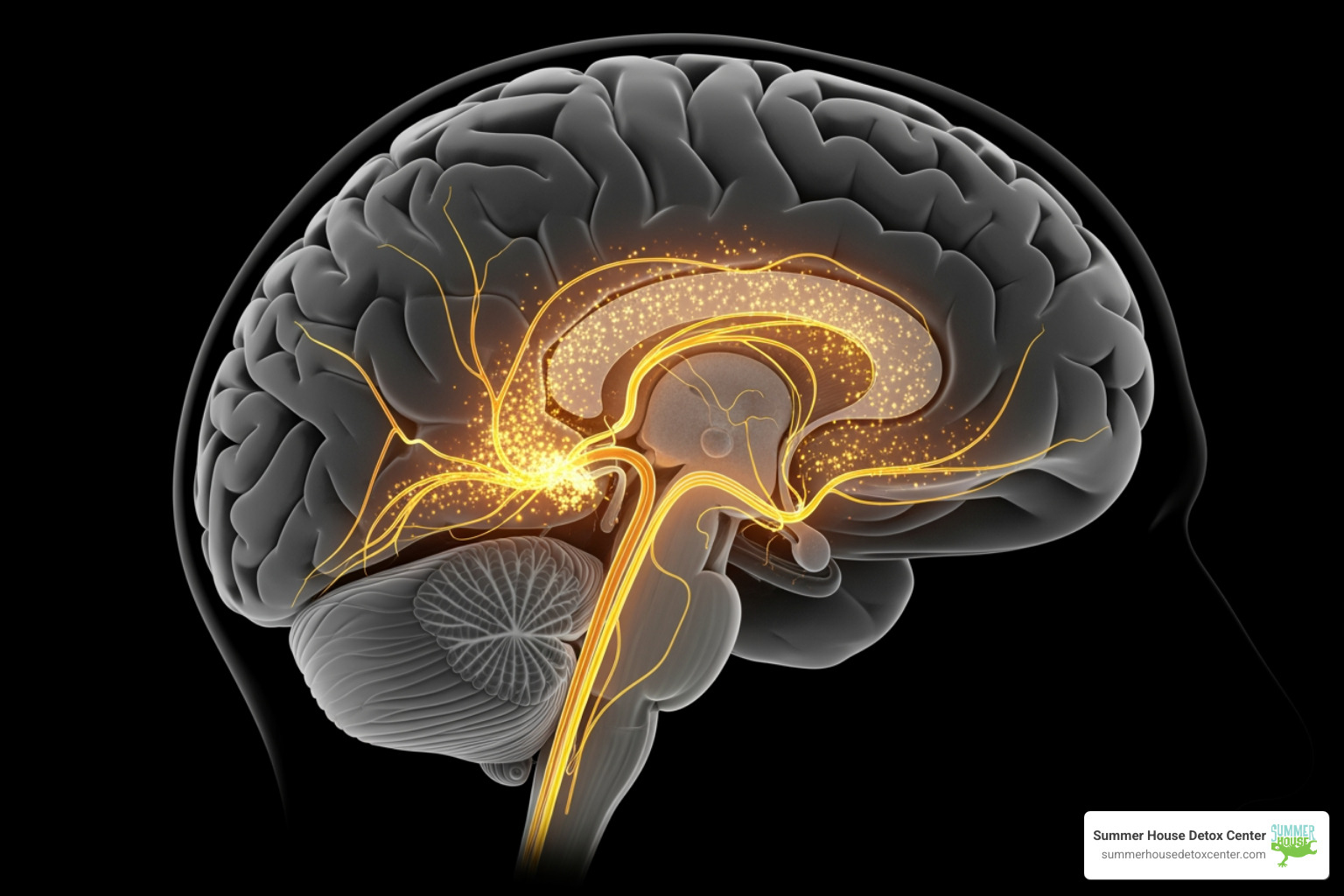
At the heart of addiction is the brain’s reward system, particularly the neurotransmitter dopamine. Drugs and alcohol flood the brain with dopamine, creating intense feelings of pleasure. Over time, the brain becomes desensitized to this surge, requiring more of the substance to achieve the same effect (tolerance). This disrupts the natural dopamine cycle, leading to intense cravings and a diminished ability to experience pleasure from everyday activities.
These changes are not just temporary; they can lead to long-term cognitive consequences. Repeated substance use can impair decision-making, behavior, and memory, making it challenging for individuals to recognize the harmful consequences of their actions or to control their impulses. The brain literally rewires itself around the substance, creating a powerful cycle of dependence. To visualize these complex brain changes, we recommend exploring the NIAAA Virtual Reality Experience, which offers an immersive look at alcohol’s effects on the brain.
From Substance Use to SUD: Making the Distinction
It’s important to differentiate between substance use and a Substance Use Disorder. Substance use refers to the occasional use of drugs or alcohol without developing a pattern of compulsive behavior or significant negative consequences. Many people engage in substance use without developing an SUD.
However, a Substance Use Disorder is a complex disease characterized by an overpowering desire to use a substance despite harmful consequences. It’s diagnosed using specific criteria outlined in the Diagnostic and Statistical Manual of Mental Disorders (DSM-5). These criteria fall into four main categories:
- Impaired Control: This includes using more of the substance than intended, trying unsuccessfully to cut down, spending a lot of time obtaining or using the substance, and experiencing intense cravings.
- Social Impairment: This involves failing to fulfill major obligations at work, school, or home due to substance use; continuing use despite social or interpersonal problems; and giving up or reducing important activities because of substance use.
- Risky Use: This category includes using substances in physically hazardous situations (e.g., driving under the influence) or continuing use despite knowing it’s causing or worsening a physical or psychological problem.
- Pharmacological Indicators: This refers to developing tolerance (needing more of the substance for the same effect) and experiencing withdrawal symptoms when not using the substance.
The presence of two or more of these criteria within a 12-month period indicates an SUD, with severity ranging from mild to severe based on the number of criteria met. Understanding these distinctions is crucial for accurate diagnosis and effective treatment, as highlighted in discussions around defining recovery from alcohol use disorder.
A Guide to Florida Substance Abuse Treatment and Recovery Options
The good news amidst the challenges of Florida substance abuse is the wide array of treatment and recovery options available. Our goal is to connect individuals with the right support, custom to their unique needs. From initial detoxification to long-term aftercare, Florida offers a continuum of care designed to foster lasting sobriety.
Levels of Care
Effective treatment for SUDs often involves different levels of care, moving from more intensive to less intensive as an individual progresses in their recovery journey.
- Medically Supervised Detox: This is often the critical first step, especially for substances like alcohol, opioids, and benzodiazepines, where withdrawal can be dangerous or even life-threatening. At Summer House Detox Center, we provide medically supervised detox where professional clinical staff monitor patients 24/7, managing withdrawal symptoms and ensuring comfort and safety as the body rids itself of addictive substances. This foundational step is crucial for preparing an individual for further treatment.
- Residential Programs (Inpatient): After detox, many individuals benefit from residential treatment. This involves living at a facility, like many rehab facilities in Miami or rehabs in Fort Lauderdale, where they receive intensive therapy, counseling, and support in a structured, substance-free environment. This level of care is ideal for those with severe SUDs, co-occurring mental health issues, or unstable living situations.
- Partial Hospitalization Programs (PHP) / Day Treatment: PHP offers a high level of structured care, similar to inpatient, but individuals return home or to sober living facilities at night. This allows for intensive therapy during the day while providing some flexibility.
- Intensive Outpatient Programs (IOP): IOP provides fewer hours of treatment per week than PHP, allowing individuals to maintain work, school, or family responsibilities while still receiving significant therapeutic support.
- Outpatient Counseling: This is the least intensive level of care, involving regular therapy sessions while living at home. It’s suitable for individuals with milder SUDs, those stepping down from more intensive programs, or as part of long-term aftercare.
- Sober Living Facilities: These provide a supportive, drug-free environment for individuals transitioning from residential treatment back into independent living.
The National Guidance on Essential Specialty Substance Use Disorder Care outlines these various levels, emphasizing a comprehensive and individualized approach to treatment.
Behavioral Therapies and Counseling
Behavioral therapies and counseling are the cornerstones of effective SUD treatment, helping individuals understand the root causes of their substance use, develop coping mechanisms, and build a foundation for long-term recovery.
Here are some key therapeutic approaches widely used in Florida substance abuse treatment:
- Cognitive Behavioral Therapy (CBT): This therapy helps individuals identify and change negative thought patterns and behaviors that contribute to substance use. It equips them with skills to cope with cravings, manage triggers, and prevent relapse.
- Dialectical Behavior Therapy (DBT): Often used for individuals with co-occurring mental health disorders, DBT focuses on teaching mindfulness, emotional regulation, distress tolerance, and interpersonal effectiveness.
- Motivational Interviewing (MI): This client-centered approach helps individuals explore and resolve their ambivalence about changing their substance use behavior, strengthening their motivation for recovery.
- Family Therapy: Since addiction impacts the entire family system, family therapy involves family members in the treatment process. It helps improve communication, address relational dynamics, and build a supportive home environment for recovery.
- Individual and Group Counseling: These provide safe spaces for individuals to process their experiences, learn from peers, and practice new skills.
The SAMHSA Treatment Improvement Protocol (TIP) Series No. 65 offers comprehensive guidance on these and other counseling approaches.
Medication-Assisted Treatment (MAT) and Co-Occurring Disorders
Medication-Assisted Treatment (MAT) combines FDA-approved medications with counseling and behavioral therapies to provide a “whole-patient” approach to treating substance use disorders. Research consistently shows that MAT is the most successful approach, particularly for opioid and alcohol use disorders.
For Opioid Use Disorder (OUD), common MAT medications include:
- Buprenorphine: This medication helps reduce cravings and withdrawal symptoms without producing the same euphoric effects as other opioids. It’s often combined with naloxone (Suboxone) to prevent misuse.
- Naltrexone: Available in oral and extended-release injectable forms, naltrexone blocks the euphoric and sedative effects of opioids and can reduce alcohol cravings.
- Methadone: Provided in highly regulated clinics, methadone helps stabilize individuals with OUD, reducing cravings and withdrawal.
For Alcohol Use Disorder (AUD), medications like naltrexone, acamprosate, and disulfiram can help reduce cravings and prevent relapse.
Many individuals struggling with Florida substance abuse also experience co-occurring mental health disorders (dual diagnosis). This means they have both an SUD and a mental health condition like depression, anxiety, or PTSD. Integrated treatment, which addresses both conditions simultaneously, is crucial for long-term recovery. Florida’s Substance Abuse and Mental Health (SAMH) Program oversees a statewide system of care for both serious mental illnesses and substance abuse disorders. Resources like SAMHSA’s Issue Brief: Co-Occurring Mental Health and Substance Use emphasize the importance of these integrated approaches.
Understanding Florida’s Medicaid Substance Abuse Program
Access to affordable treatment is a significant barrier for many. Fortunately, Florida has programs like the Medicaid Certified Match Substance Abuse Program designed to expand services for Medicaid recipients.
This program allows counties to increase their local public funds for substance abuse treatment by leveraging federal matching funds. Essentially, counties contract with providers, reimburse them for specific services, and then seek federal reimbursement for a portion of those costs.
The program has approved three new Medicaid-funded substance abuse services:
- Alcohol and/or Drug Intervention Services: These services focus on early intervention and support for individuals at risk or experiencing initial substance use issues.
- Comprehensive Community Support Services – Peer Recovery Support: This includes individual and group peer support, where individuals with lived experience in recovery provide guidance and encouragement.
- Comprehensive Community Support Services – Aftercare Services (Bachelor Degree Level): These services provide ongoing support post-treatment, delivered by professionals with a bachelor’s degree, to help maintain sobriety and integrate back into the community.
To participate, counties must enroll in Medicaid as a Community Behavioral Health Services provider (type 05) and maintain meticulous records for potential audits by the Agency for Health Care Administration (AHCA) and the Centers for Medicare and Medicaid Services (CMS). This program is a vital mechanism for increasing access to care, particularly for medications that reverse opioid overdose and treat alcohol and opioid use disorders, as highlighted in Medicaid Coverage of Medications to Reverse Opioid Overdose.
Resources, Rights, and Reducing Stigma in Florida
Navigating Florida substance abuse and the path to recovery can feel overwhelming, but you don’t have to do it alone. A robust network of resources, coupled with protected rights and a concerted effort to reduce stigma, makes recovery more accessible than ever.
Our communities play a vital role in supporting recovery. From local initiatives to statewide policies, collective action is essential. Healthcare providers and policymakers in Florida are actively addressing the opioid crisis and other substance use emergencies through initiatives like the Overdose Data to Action (OD2A) program and the Opioid-Overdose Reduction Continuum of Care Approach (ORCCA), which guides the implementation of evidence-based strategies.
Finding Help: Helplines, Locators, and Support Groups
When you’re ready to seek help for Florida substance abuse, numerous resources are just a call or click away.
- SAMHSA National Helpline: A confidential, free, 24/7 national helpline for individuals and families facing mental and/or substance use disorders. Call 1-800-662-HELP (4357) for information and treatment referral services.
- 988 Suicide & Crisis Lifeline: If you or a loved one is experiencing a mental health crisis or suicidal thoughts, call or text 988. This lifeline provides immediate support and connection to local resources.
- Treatment Locators: Websites like FindTreatment.gov (SAMHSA’s treatment locator) and Florida’s CORE Network are invaluable tools to find treatment facilities near you, including Miami Detox centers or Fort Lauderdale drug rehabs.
- Support Groups: Peer-led support groups like Alcoholics Anonymous (AA), Narcotics Anonymous (NA), and SMART Recovery offer invaluable community, shared experience, and encouragement on the recovery journey.
Know Your Rights When Seeking Help for Florida Substance Abuse
As an individual seeking help for Florida substance abuse, you have specific rights that are protected by law. These rights ensure you receive respectful, confidential, and non-discriminatory care. Florida Statute 397.501 outlines these crucial protections:
- Right to Dignity: You have the right to be treated with respect and dignity at all times, without being subjected to abuse, neglect, or exploitation. This means you should not be detained in jails unless for protective custody, and service providers cannot deny you access based on factors like race, gender, or prior relapse episodes.
- Non-Discriminatory Services: Services must be provided without discrimination based on race, religion, gender, sexual orientation, disability, or ability to pay (within the limits of available state resources).
- Confidentiality: Your treatment records are confidential and exempt from public records laws. This is protected under federal regulations (42 CFR Part 2) and Florida law. Information about your identity, diagnosis, and treatment cannot be disclosed without your written consent, with limited exceptions (e.g., medical emergencies, court orders, or reporting suspected child abuse). For more details, consult Know Your Rights: Parity for Mental Health and Substance Use Disorder Benefits.
- Right to Counsel and Habeas Corpus: If you are involuntarily retained for treatment under the Marchman Act, you have the right to legal counsel and can petition for a writ of habeas corpus to challenge your retention.
- Participation in Treatment Planning: You have the right to participate in the formulation and review of your individualized treatment plan.
- Mental Health Parity Law: Federal and state laws ensure that health insurance plans cover mental health and substance use disorder treatment no less generously than they cover medical and surgical benefits.
Service providers are legally obligated to uphold these rights. If you believe your rights have been violated, you have recourse to address these concerns.
Overcoming Stigma and Supporting Diverse Populations
One of the biggest obstacles in addressing Florida substance abuse is the pervasive stigma surrounding addiction. This stigma often prevents individuals from seeking help and can lead to discrimination.
- Using Person-First Language: We can all help reduce stigma by using person-first language. Instead of saying “addict” or “junkie,” we say “person with a substance use disorder.” This simple change acknowledges the individual beyond their diagnosis and emphasizes that addiction is a medical condition, not a character flaw. The Public Health Response to Substance Use Stigma provides valuable insights on this.
- Understanding Addiction as a Disease: Emphasizing that addiction is a chronic, treatable disease, much like diabetes or heart disease, helps shift public perception away from moral judgment. Relapse, for instance, is not a failure but a common part of a chronic disease and a sign that treatment needs to be adjusted.
- Challenges in Florida’s Diverse Communities: Florida’s diverse populations, including Hispanic/Latino and Black/African American communities, face unique challenges in accessing and receiving culturally competent care. Language barriers, cultural beliefs about mental health and addiction, and historical mistrust of healthcare systems can create significant problems. Policymakers and providers are working to ensure “Access For Everyone: Addressing Health Equity and Racial Justice within Integrated Care Settings” to better serve these communities.
- Peer Support Specialists: Peer support plays a crucial role in destigmatizing recovery. Individuals in recovery who serve as peer support specialists offer invaluable empathy, understanding, and hope, demonstrating that recovery is possible. Florida’s Medicaid program even covers Peer Recovery Support services, recognizing their effectiveness.
By actively working to reduce stigma and provide culturally sensitive, accessible care, we can create a more supportive environment for everyone affected by Florida substance abuse.
Conclusion
The journey through Florida substance abuse is challenging, but hope and help are abundant. We’ve explored the significant prevalence of SUDs in our state, the alarming trends in substance use, and the profound impact addiction has on brain chemistry. We’ve also highlighted the critical distinction between substance use and substance use disorder, paving the way for understanding and appropriate intervention.
More importantly, we’ve outlined the diverse and comprehensive treatment options available, from medically supervised detox and various levels of behavioral therapies to the life-changing potential of Medication-Assisted Treatment (MAT). Florida’s commitment to supporting its residents is evident in programs like the Medicaid Certified Match Substance Abuse Services, designed to expand access to crucial care.
We’ve also empowered you with knowledge of your fundamental rights as an individual seeking help – rights to dignity, non-discriminatory services, and confidentiality. And we’ve called upon our community to actively participate in reducing the stigma associated with addiction, fostering an environment of empathy and support for all.
Recovery is achievable. The first step, though often the hardest, is the most important. Whether you’re in Miami, Fort Lauderdale, or anywhere across Florida, resources and compassionate care are waiting.
Take the first step toward recovery with our compassionate care team
