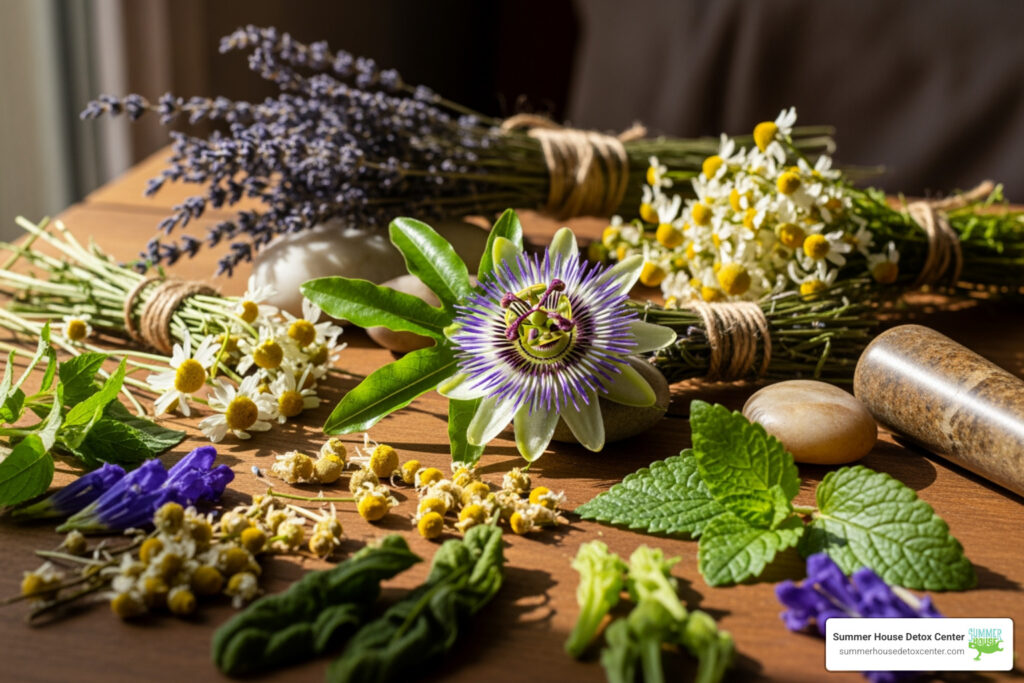
Understanding Opiate Withdrawal and the Search for Natural Relief
Herbs for opiate withdrawal symptoms have gained attention as people seek gentler ways to manage detoxification. Here’s what research shows about the most promising options:
Top Herbs Studied for Opiate Withdrawal:
- Passionflower – May ease emotional symptoms like anxiety and cravings when combined with medical treatment
- Chinese Herbal Formulas (Tai-Kang-Ning, WeiniCom, Fu-Yuan Pellet) – Shown in studies to reduce physical symptoms like sweating, diarrhea, and body pain
- Ginseng – May help with mood symptoms and anxiety during withdrawal
- Kratom – Has opioid-like effects but carries serious addiction risks and is not FDA-approved
Important Note: No herbs are FDA-approved for opiate withdrawal. Always use under medical supervision.
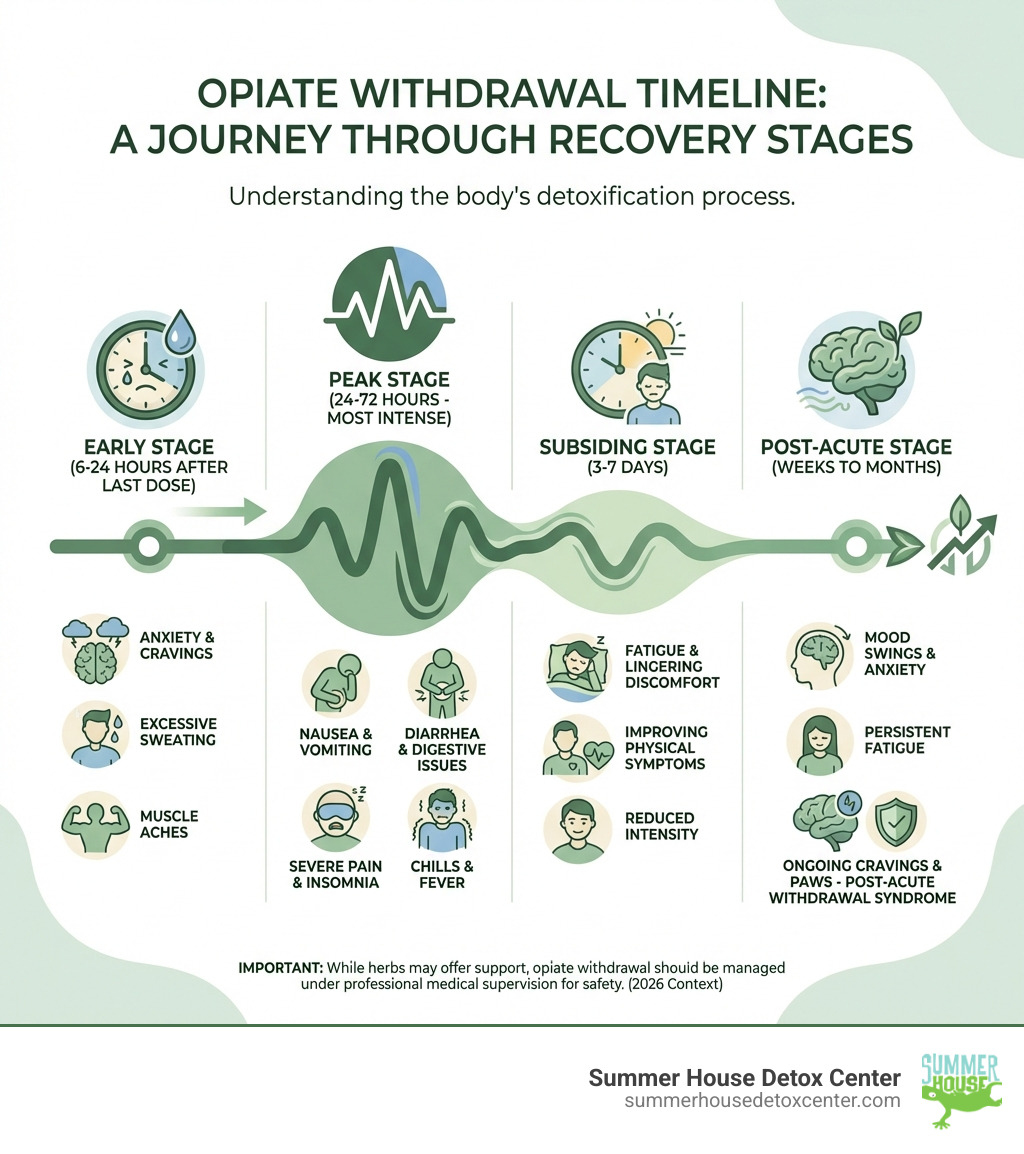
If you’re struggling with opioid dependence in Miami or anywhere in Florida, you’re not alone. The fear of withdrawal—with its uncomfortable muscle aches, nausea, anxiety, and intense cravings—keeps many trapped in a cycle of use. While many people turn to natural remedies for a gentler path, it’s crucial to understand their role. Some research suggests herbal medicines can be effective in treating opioid withdrawal syndrome, but they are not miracle cures.
Here’s what you need to know upfront: Herbs work best as part of a comprehensive treatment plan, not as a replacement for medical care. Opiate withdrawal can be dangerous without proper supervision. Your body has adapted to the drug, and stopping suddenly triggers a cascade of physical and psychological reactions. That’s why medical detox facilities exist—to keep you safe and as comfortable as possible during this challenging transition.
Let’s explore what science tells us about herbal approaches, what works, what doesn’t, and how to approach this safely.
Herbs for opiate withdrawal symptoms terms at a glance:
- coping with opiate withdrawal
- how long does withdrawal symptoms last from opiates
- medicine for opiate withdrawal symptoms
A Closer Look at Promising Herbs for Opiate Withdrawal Symptoms
The journey through opiate withdrawal is challenging. While conventional medications are key, many in Florida are exploring complementary herbs for opiate withdrawal symptoms for a more holistic approach. Scientific reviews suggest certain herbal medicines can effectively treat opioid withdrawal syndrome, sometimes showing results comparable to conventional drugs. However, the quality of research varies, and many findings require more investigation.
Let’s dig into some of the most discussed herbs for managing opiate withdrawal.
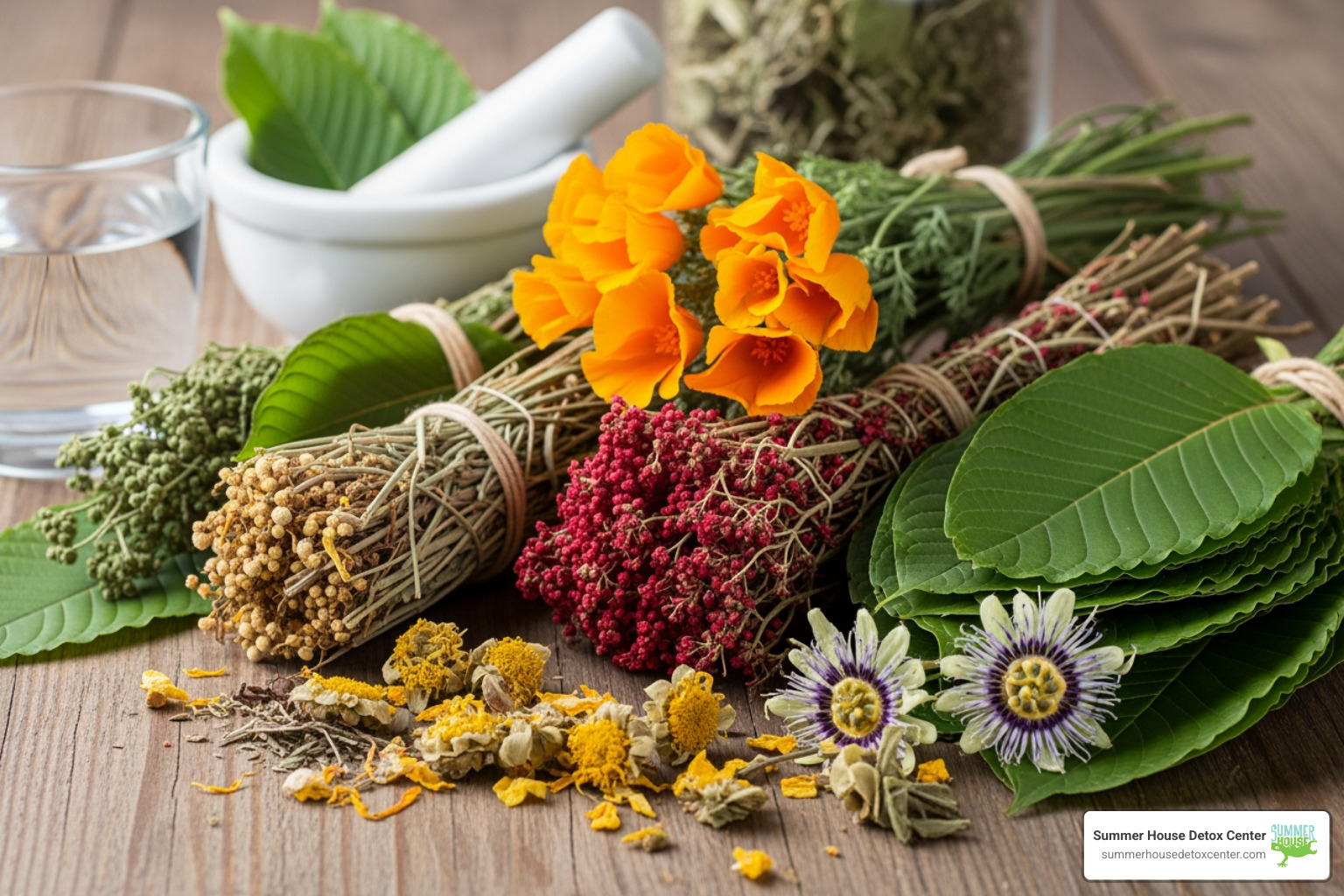
Passionflower: A Promising Herb for Opiate Withdrawal Symptoms
Passionflower (Passiflora incarnata) is one of the most promising herbs for opiate withdrawal symptoms, especially for emotional distress. A study found that when combined with the medication clonidine, passionflower significantly eased emotional symptoms like anxiety, irritability, and cravings compared to clonidine alone.
How it may work and its risks: Passionflower is thought to calm nerve activity by interacting with the brain’s GABA system. While generally safe for short-term use, it can cause dizziness, drowsiness, and confusion. It may also intensify the effects of other sedatives. Given the fatigue and altered mental states common in withdrawal, these side effects can be problematic. Always consult a healthcare professional before using passionflower, especially when managing a condition as complex as opiate withdrawal. You can find more info about passionflower from reputable sources.
Kratom: A Controversial Botanical with Opioid-Like Effects
Kratom (Mitragyna speciosa) is known for its stimulant and sedative effects and is sometimes used to self-treat opiate withdrawal. Its active compounds interact with opioid receptors, which can produce pain-relieving effects and provide temporary relief from withdrawal symptoms.
High Potential for Abuse and FDA Warnings: Despite anecdotal reports, kratom is not a safe solution. We must emphasize that it carries its own significant risks, including a high potential for abuse and dependence. The FDA has issued strong warnings against its use, citing addictive properties and severe health risks. The DEA also lists kratom as a drug of concern.
Health Risks and Legal Status: Kratom use can lead to nausea, liver damage, and, in extreme cases, hallucinations. Withdrawal from kratom itself can mirror opioid withdrawal. While not federally controlled, its legal status in Florida varies by county, with some areas banning its sale. Regardless of legality, we strongly advise against using kratom for opiate withdrawal due to its unproven efficacy and high risks. Medically supervised detox is the safest path to recovery.
Ginseng and Other Notable Herbs
Beyond passionflower and the controversial kratom, several other herbs for opiate withdrawal symptoms have been investigated.
Ginseng: This traditional herb has shown promise in alleviating psychological distress like anxiety and depression during withdrawal, according to animal studies and reviews. Its effects are thought to be related to its anti-addiction properties, but more human studies are needed. You can find more info about ginseng from reputable sources.
Other Herbs with Weak Evidence:
- Brahmi (Bacopa monniera): Preliminary research suggests it might support the nervous system, but specific studies on opiate withdrawal are lacking.
- Rosemary (Rosmarinus officinalis): Animal studies suggest it may reduce muscle spasms, but human trials are needed to confirm its efficacy.
- Velvet Antler: A traditional remedy with weak evidence for opiate addiction; its effectiveness is not well-defined and requires scientific investigation.
For these herbs, the evidence is generally weaker. We must exercise caution and prioritize medically supervised care.
Traditional Chinese Medicine (TCM) and Acupuncture
Traditional Chinese Medicine (TCM) offers a holistic approach to health, using herbal formulations and practices like acupuncture for various conditions, including addiction. In the context of opiate withdrawal, Chinese herbal medicine has shown significant promise. A review of over twenty studies concluded that Chinese herbal medicine was as effective as commonly prescribed medications for heroin withdrawal symptoms, and in some cases, more effective than clonidine.
Acupuncture, another cornerstone of TCM, has also been explored for chemical dependency, but human study results are mixed. While some studies show reduced withdrawal symptoms when combined with medication, the largest studies reported no benefits. This suggests acupuncture might serve as a complementary therapy rather than a standalone solution.
While some of our patients in Florida may be interested in these approaches, we advise integrating them only under strict medical supervision within a comprehensive detox program due to variability in formulations and the need for more validation.
Specific Chinese Herbal Formulations for Opiate Withdrawal Symptoms
Several complex TCM herbal formulations have been investigated for managing opiate withdrawal:
- Tai-Kang-Ning (TKN): This eight-herb blend has shown significant reductions in acute heroin withdrawal symptoms, sometimes performing better than conventional medications.
- WeiniCom: Studies have shown this formulation can significantly lower withdrawal symptom scores compared to buprenorphine on certain days.
- Fu-Yuan Pellet (FYP): This ten-herb blend has been found to be as effective as lofexidine in reducing symptoms, sometimes with fewer side effects.
- An-jun-ning: This formula has been shown in animal models to reduce withdrawal symptoms, possibly by modulating the dopamine system.
How They May Work: Many of these Chinese herbal formulations are thought to work by helping to rebalance the brain’s dopamine system. Chronic opioid use disrupts this crucial reward pathway, and these herbs may help restore normal function, alleviating cravings and dysphoria. While results are encouraging, more standardized research is needed to optimize their use in a clinical setting.
Vitamins, Supplements, and Diet for a Smoother Detox
Supporting the body through opiate withdrawal must include addressing nutritional needs. Substance use often leads to poor eating habits and profound nutrient deficiencies, which can worsen withdrawal symptoms. At Summer House Detox Center in Miami, we focus on proper nutrition and hydration to give your body the best chance to heal.

Key Vitamins and Supplements
While no supplements are FDA-approved for opiate detox, some have been studied for their potential to improve symptoms. Always discuss these with a medical professional.
- Multivitamins: A basic multivitamin is often recommended to fill general nutritional gaps common in opiate users, helping you get stronger for withdrawal.
- Vitamin C: High doses of Vitamin C have been found to improve major withdrawal symptoms in heroin users and are considered nontoxic, with mild side effects like nausea.
- Acetyl-L-carnitine (ALC): This supplement has shown promise in improving muscle symptoms and sleep problems common during withdrawal. Side effects are generally rare and mild.
- N-acetylcysteine (NAC): While studied for other addictions, its potential benefits for opiate withdrawal specifically require more research.
- Magnesium: Opiate users often have magnesium deficiencies. This mineral can help reduce the reinforcing properties of addictive drugs and lower the risk of relapse.
- Zinc: Zinc deficiency is also common. Animal research suggests zinc can help manage some opioid-withdrawal symptoms.
- Vitamin D: Supplements may help improve quality of life for patients in Methadone Maintenance Therapy (MMT), but more research is needed.
- B-Complex Vitamins: These vitamins are crucial for nerve function and energy. Addressing common deficiencies can support overall health during withdrawal.
The Role of a Supportive Diet
A nutrient-rich diet is critical. Individuals with opioid use disorder often have severe nutrient deficiencies from a diet high in processed foods and low in fruits and vegetables. This can make withdrawal feel even worse.
While appetite may be low, proper nutrition is key:
- Replenish Nutrients: A healthy diet restores essential vitamins and minerals, helping the body cope with the stress of detox.
- Stabilize Blood Sugar: Eating vegetables and whole grains instead of sugary foods helps prevent mood swings and energy crashes.
- Support Digestion: A high-fiber diet can help regulate gastrointestinal issues like diarrhea and cramps.
- Boost Mood: Protein-rich foods like fish and chicken provide amino acids that help produce mood-regulating neurotransmitters.
- Prevent False Cravings: Regular, nutritious meals can help distinguish hunger from drug cravings.
- Stay Hydrated: Vomiting and diarrhea can cause severe dehydration. Drinking plenty of fluids, including electrolyte solutions, is essential.
At Summer House Detox Center, we emphasize nourishing the body as a vital part of a comfortable and effective detox.
The Importance of Medical Supervision: Risks and Limitations
While exploring herbs for opiate withdrawal symptoms is understandable, it is critical to underscore the importance of medical supervision. We cannot stress this enough: no vitamins, herbs, or supplements are approved by the FDA for opiate detox. This means their safety, efficacy, and quality are not guaranteed.
Attempting to manage opiate withdrawal with natural remedies alone carries significant risks:
- Inconsistent Quality: Herbal products vary widely in potency, purity, and composition between brands and batches, making their effects unpredictable.
- Unknown Dosages: For many herbs, the optimal and safe dosages for withdrawal are not clearly established, and their mechanisms are not fully understood.
- Harmful Side Effects: Even “natural” substances can cause side effects like dizziness or nausea, which can worsen discomfort or mask more serious issues during withdrawal.
- Dangerous Interactions: Herbs can adversely interact with prescription medications, reducing their effectiveness or leading to dangerous complications.
- Lack of Rigorous Testing: Unlike FDA-approved medications like methadone and buprenorphine, herbal remedies lack the same level of rigorous evaluation for safety and efficacy.
- Risk of Relapse and Complications: Severe discomfort from unmanaged withdrawal increases the risk of relapse, which can be fatal after a period of reduced tolerance. Medical complications like severe dehydration also pose a significant risk.
Therefore, while certain herbs for opiate withdrawal symptoms may have potential as complementary therapies, they should never replace professional medical care. A medically supervised detox program, like the one at Summer House Detox Center in Miami, provides a safe, controlled environment to manage symptoms, prevent complications, and support a successful transition to recovery.
Conclusion: Integrating Natural Approaches with Professional Care
As we’ve explored, herbs for opiate withdrawal symptoms and other natural remedies offers some intriguing possibilities for alleviating the challenging symptoms of detox. From the emotional easing effects of passionflower to the potential digestive relief from certain Chinese herbal formulations and the vital role of nutrition, natural approaches can be valuable allies in the recovery journey. We’ve seen that some studies suggest promising outcomes, with certain herbs showing comparable efficacy to conventional medications in managing various physical and psychological discomforts.
However, the consistent message throughout our research is clear: these natural approaches are best understood as complementary therapies, not standalone solutions. The scientific evidence, while growing, often highlights limitations such as small study sizes, risks of bias, and variability in formulations. More importantly, no herb or supplement is FDA-approved for opiate withdrawal, which means they lack the rigorous safety and efficacy testing of prescription medications.
For anyone in Florida, particularly in the Miami area, struggling with opioid dependence, the most crucial step toward recovery is seeking professional medical care. Medically supervised detox provides a safe and supportive environment where experienced healthcare professionals can:
- Monitor your health: Ensuring your vital signs are stable and addressing any potential complications like severe dehydration.
- Manage symptoms effectively: Utilizing FDA-approved medications to alleviate pain, nausea, anxiety, and other severe withdrawal symptoms, making the process as comfortable as possible.
- Prevent relapse: Providing immediate support and intervention during the most vulnerable stages of withdrawal, significantly reducing the risk of returning to substance use.
- Offer personalized care: Tailoring treatment plans to your unique needs, which may include integrating evidence-based complementary therapies under medical guidance.
At Summer House Detox Center in Miami, we are dedicated to providing personalized, medically supervised detox with a focus on your comfort, dignity, and long-term recovery. Our experienced staff, some of whom are in recovery themselves, understand the profound challenges you face and are here to offer compassionate support every step of the way. While we are open to exploring holistic recovery strategies, our priority is always your safety and well-being through evidence-based medical care.
If you or a loved one are ready to take the courageous step towards a healthier future, we encourage you to connect with us. Find how our comprehensive approach, combining expert medical care with a supportive environment, can make a difference.
Find out more about medically supervised opiate detox and begin your journey to lasting recovery today.
