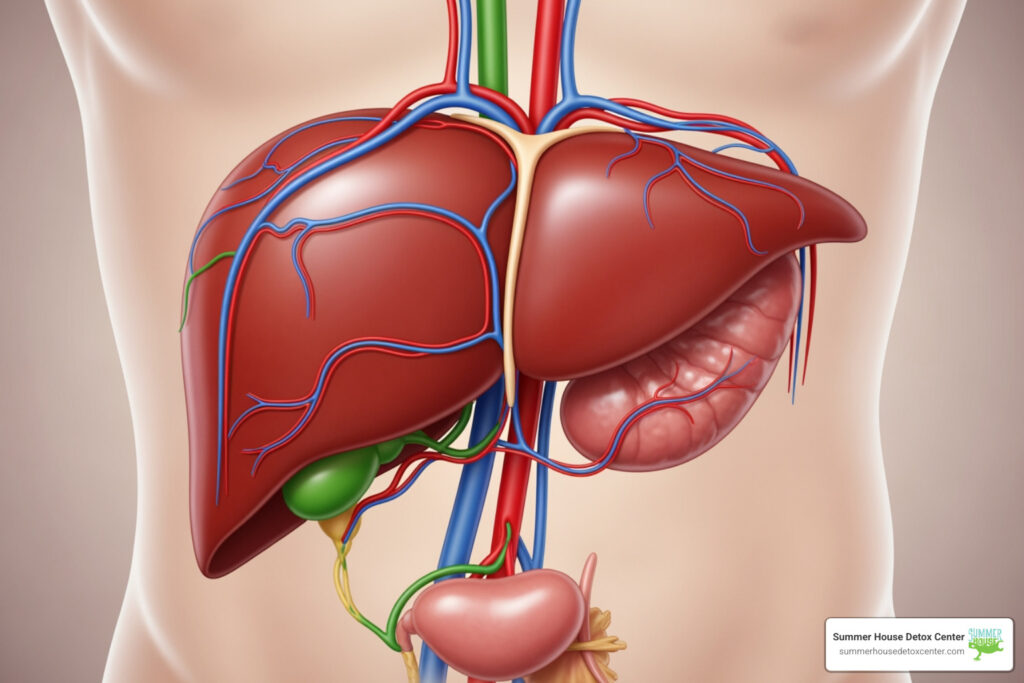
Understanding How to Detox Your Liver from Alcohol
How to detox your liver from alcohol starts with one critical step: complete abstinence from drinking. Here’s what you need to know:
- Stop drinking immediately – The liver can only heal when alcohol consumption ceases
- Seek medical supervision – Heavy drinkers need professional help to manage dangerous withdrawal symptoms
- Expect initial improvement in 2-3 weeks – Research shows liver function begins recovering this quickly
- Support your body – Eat a balanced diet, stay hydrated, exercise regularly, and get enough sleep
- Consider therapy and support groups – Long-term success requires addressing the psychological aspects of alcohol dependence
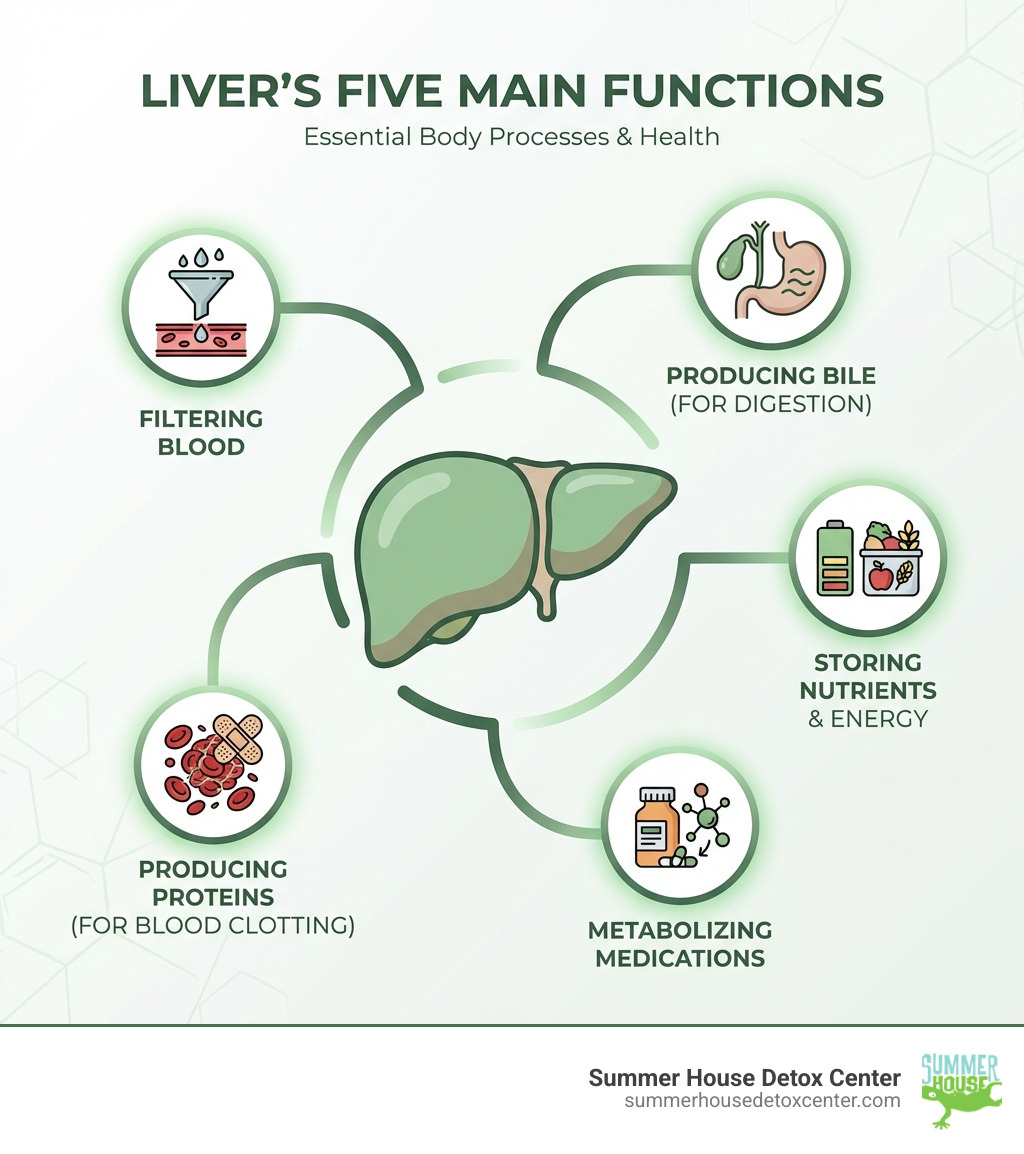
Your liver is your body’s powerhouse filter. It processes everything you consume, breaks down toxins, stores energy, and performs over 500 vital jobs to keep you alive. In Miami and across Florida, where social drinking is woven into the fabric of beach gatherings, boat parties, and nightlife, it’s easy to overwhelm this remarkable organ.
Here’s the good news: Your liver has an incredible ability to heal itself. Unlike most organs, it can regenerate new cells and repair damaged ones—if you give it the chance. Even if you’ve been drinking heavily for years, stopping now can make a real difference.
But here’s what you need to understand: detoxing your liver from alcohol isn’t about expensive cleanses, magic supplements, or quick fixes. It’s about stopping alcohol consumption and giving your body the medical support, nutrition, and time it needs to repair itself.
The path forward requires honesty, commitment, and often professional help—especially if you’re experiencing withdrawal symptoms. For many people in Miami struggling with alcohol dependence, medically supervised detox is the safest way to begin recovery.
Must-know how to detox your liver from alcohol terms:
Understanding Alcohol’s Toll on Your Liver
Our liver is an incredibly resilient organ, tirelessly working to keep our bodies running smoothly. However, alcohol, even in moderation, can leave its mark. When we drink, our liver is the primary organ responsible for metabolizing alcohol, breaking it down into less harmful substances that can be eliminated from the body. This process, while essential, can be quite taxing.
The immediate effect of alcohol is that our liver gets to work. It can process about one small drink per hour. But if we consume alcohol faster than our liver can process it, the alcohol overflows into our bloodstream, leading to the familiar feeling of being “drunk.” This temporary overwhelm is a sign that our liver is working overtime. Prolonged or heavy alcohol use, however, can lead to severe and lasting damage. As the Cleveland Clinic reminds us, “Of all your body’s organs, your liver takes the biggest hit when it comes to alcohol.” Cleveland Clinic liver link
Over time, this constant workload can impair the liver’s efficiency and lead to serious health conditions. Recognizing the signs of liver damage early is crucial for intervention and recovery. The Mayo Clinic lists several symptoms of liver dysfunction, which we’ll dig into shortly. Mayo Clinic symptoms link
The Stages of Alcohol-Related Liver Disease (ARLD)
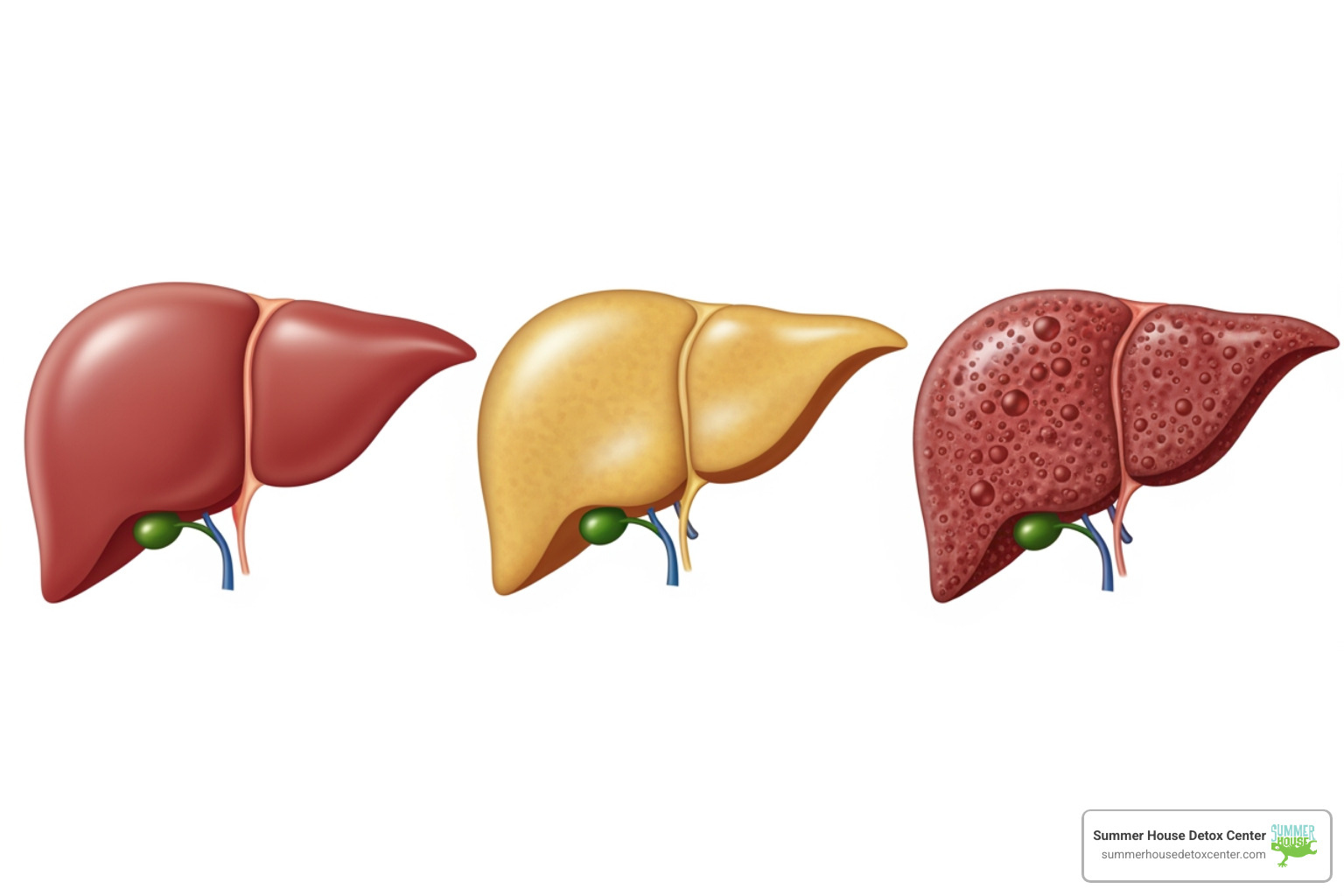
Alcohol-Related Liver Disease (ARLD) is a spectrum of conditions that develop due to excessive alcohol consumption. Understanding these stages can help us grasp the severity and potential for recovery.
-
Alcoholic Fatty Liver Disease (AFLD): This is the first and most common stage. It occurs when fat begins to accumulate inside liver cells, harming them. It’s often referred to simply as “fatty liver.” The good news is that AFLD is generally reversible if alcohol consumption is stopped. Statistics show that “About 20% of people who drink heavily over a long time will develop Alcoholic Fatty Liver Disease (AFLD).” For more details, you can refer to information on Fatty liver disease. Symptoms are often mild or non-existent, but can include fatigue, discomfort in the upper right abdomen, and sometimes a yellow tint to the skin or eyes.
-
Alcoholic Hepatitis: If heavy drinking continues, fatty liver can progress to alcoholic hepatitis, an inflammatory condition of the liver. This stage is more serious and can be life-threatening. “Up to 35% of heavy drinkers develop alcoholic hepatitis, greatly increasing the risk of alcoholic cirrhosis.” Alcoholic hepatitis link Symptoms are more pronounced and can include confusion, swelling in the abdomen or legs, severe bleeding, and jaundice (yellowing of the skin and eyes). Treatment for alcoholic hepatitis centers on complete abstinence from alcohol, and sometimes medications like steroids are used to reduce inflammation.
-
Cirrhosis: This is the most advanced and severe stage of ARLD. In cirrhosis, the healthy tissue of our liver is replaced with irreversible scar tissue. These scarred cells cannot function effectively or stop functioning altogether. The more we drink, the more scar tissue develops, severely impairing liver function. While the scarring itself is irreversible, stopping alcohol consumption is absolutely vital to prevent further damage and manage complications. Cirrhosis link Treatment focuses on lifelong abstinence, managing symptoms, maintaining a nutritious diet (often high-protein, high-calorie), regular exercise, and, in severe cases, a liver transplant may be considered.
Recognizing the Warning Signs of Liver Damage
Our bodies often send us signals when something is wrong, and our liver is no exception. While early-stage liver damage can be “clinically silent” with few symptoms, be aware of the signs that indicate a liver under distress:
- Jaundice: A yellowish discoloration of the skin and the whites of the eyes. This occurs when the liver can’t properly process bilirubin, a yellow pigment. Jaundice link
- Abdominal pain and swelling: This can be due to fluid buildup in the abdomen, known as ascites, which happens when the liver doesn’t produce enough of a protein called albumin. Swelling in the abdomen
- Dark urine: Caused by excess bilirubin being excreted through the kidneys.
- Chronic fatigue: A persistent feeling of tiredness, even after rest, is a common symptom of liver dysfunction.
- Itchy skin: Often without a rash, this can be a result of bile products accumulating under the skin.
- Constant feelings of confusion: This can be a sign of hepatic encephalopathy, where the liver’s inability to remove toxins like ammonia leads to their buildup in the brain.
- Gastrointestinal bleeding: The liver’s inability to produce enough proteins for blood clotting can lead to easy bruising and severe bleeding, including in the gastrointestinal tract. GI bleeding link
If you or a loved one in Florida experiences any of these symptoms, especially after a history of heavy drinking, please seek medical attention immediately. Early diagnosis and intervention are critical.
The First Step to Healing: Safely Stopping Alcohol Use
The most crucial step in the journey of how to detox your liver from alcohol and allow it to heal is complete abstinence. For individuals with alcohol-related liver disease, stopping drinking alcohol is the primary treatment. This is known as abstinence, and it’s vital, especially depending on the stage of the condition. If you have fatty liver disease, the damage may be reversed if you abstain from alcohol for a period of time.
However, for heavy drinkers, simply quitting “cold turkey” can be dangerous. Alcohol dependence can lead to severe and potentially life-threatening withdrawal symptoms. This is why medical supervision is not just recommended, but often critical. A medically supervised detox program ensures your safety and comfort during the challenging initial phase of abstinence.
Managing Alcohol Withdrawal Symptoms
When someone dependent on alcohol suddenly stops drinking, their body goes into a state of withdrawal as it adjusts to the absence of alcohol. The timeline and severity of these symptoms can vary:
- Timeline: Withdrawal symptoms are usually at their worst for the first 48 hours after your last drink. They should then start to improve within 3 to 7 days. While physical symptoms typically subside within a week, sleep patterns might take longer to normalize, usually returning to normal within about a month.
- Common Withdrawal Symptoms:
- Anxiety and agitation
- Tremors or “the shakes”
- Nausea and vomiting
- Headaches
- Insomnia and other sleep disturbances
- Sweating
- Increased heart rate and blood pressure
- In severe cases, seizures and delirium tremens (DTs), which can be fatal without medical intervention.
This is where medically-assisted detox comes into play. Under professional care, medications like benzodiazepines (e.g., chlordiazepoxide) can be administered to ease withdrawal symptoms, prevent complications, and make the process more manageable and safe. While mild cases might allow for detox at home with medical guidance, severe dependency, or a history of complicated withdrawal, necessitates a hospital or specialized detox facility, like ours in Miami. During detox, it’s also important to drink plenty of fluids (around 3 liters a day, focusing on water, squash, or fruit juice) and eat regular, nutritious meals, even if appetite is low.
Finding Long-Term Success with Abstinence
Stopping drinking is the first hurdle; maintaining abstinence is the long-term goal. This often requires addressing the psychological aspects of alcohol dependence and building a strong support system.
- Psychological Treatments: Cognitive Behavioral Therapy (CBT) is highly effective. It helps individuals identify and challenge unhelpful thoughts and beliefs about alcohol (e.g., “I can’t relax without alcohol”) and develop coping strategies for triggers like stress or social anxiety.
- Support Groups in Florida: Many people find immense value in self-help groups. Organizations like Alcoholics Anonymous (AA) offer a 12-step program and a community of peers who understand the challenges of recovery. Another option is SMART Recovery, which provides tools and training for addiction recovery. There are numerous local chapters of these groups across Florida, offering accessible support. Family therapy can also be beneficial, helping loved ones understand alcohol dependence and provide effective support.
- Relapse Prevention Medications: For some, medications can be a crucial part of preventing relapse:
- Acamprosate: Helps reduce cravings and the urge to drink.
- Disulfiram: Creates an unpleasant physical reaction (nausea, chest pain) if alcohol is consumed, acting as a deterrent. Patients must be vigilant about avoiding all alcohol, even in products like mouthwash or certain foods.
- Naltrexone: Blocks the pleasurable effects of alcohol, reducing cravings and the likelihood of returning to heavy drinking. It also blocks the effects of opioid painkillers, which is an important consideration.
- Nalmefene: Also helps reduce cravings and the amount of alcohol consumed.
These medications are typically used in conjunction with counseling and therapy to provide a comprehensive approach to long-term sobriety.
How to Detox Your Liver from Alcohol: A Practical Guide
The liver’s remarkable ability to regenerate new cells and repair damaged ones gives us hope. While it’s not a magic trick, our body’s natural healing process, combined with conscious effort, can significantly improve liver health.
The timeline for your liver to detox from alcohol and show improvement varies based on several factors, including the amount and frequency of alcohol consumed, overall health conditions, age, and weight. However, research offers encouraging insights: “Liver function begins to improve in as little as two to three weeks of abstaining from alcohol.” Furthermore, studies show that “Two to three weeks of abstinence from alcohol by heavy-alcohol users helped reduce inflammation and bring down liftd serum levels in the liver.”
As liver specialist Christina Lindenmeyer, MD, explains, the extent of recovery “depends on how much damage has already been done…And if there are any complications related to the damage.” Christina Lindenmeyer, MD quote This highlights the importance of early intervention and sustained abstinence.
Dietary Support: What to Eat and Drink for a Healthy Liver
When we talk about how to detox your liver from alcohol, nutrition plays a starring role. Think of your liver as a high-performance engine; it needs the right fuel to repair and function optimally.
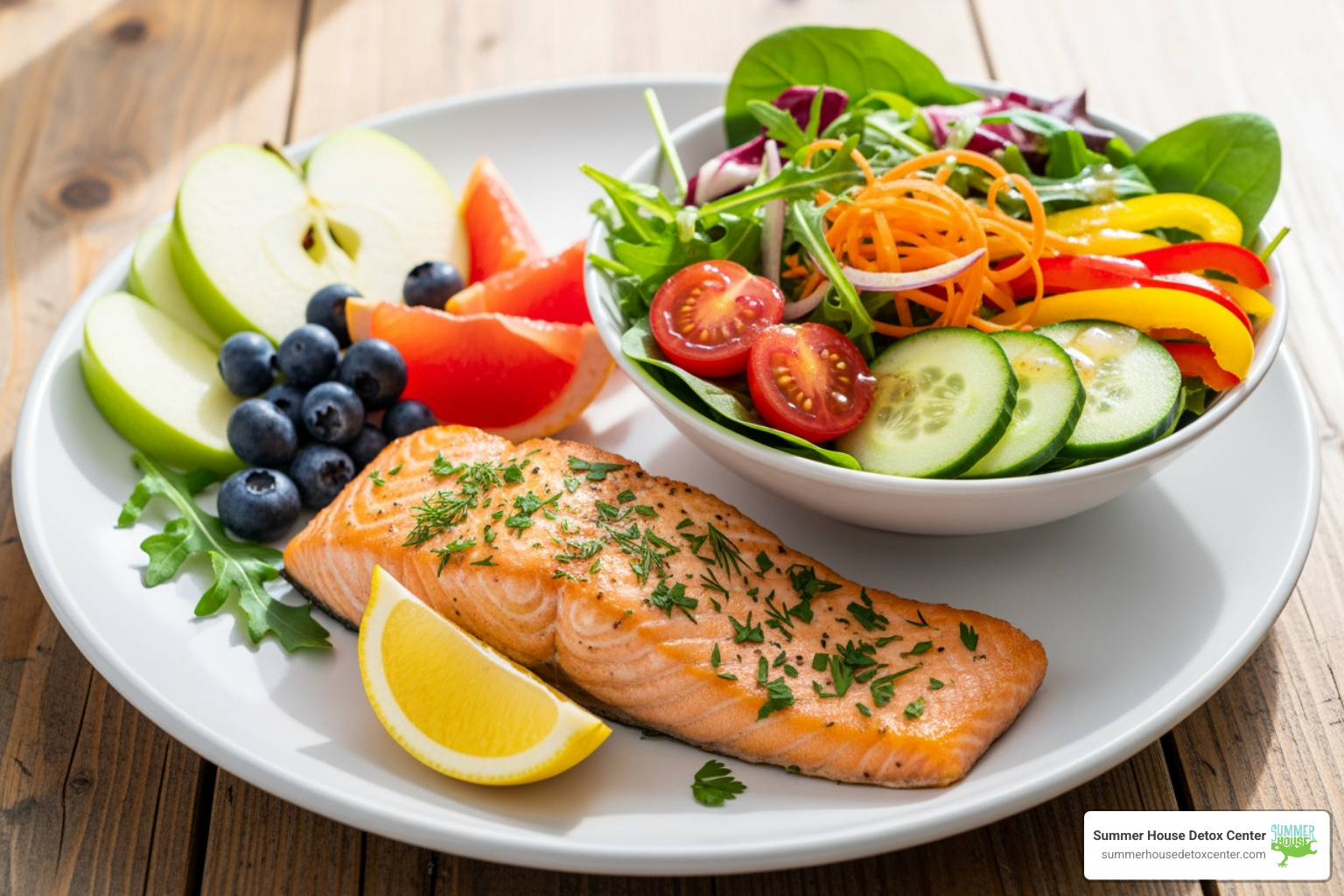
- Balanced Diet: Focus on a balanced, whole-food diet rich in fruits, vegetables, lean proteins, and healthy fats. The Mediterranean diet, known for its emphasis on plant-based foods, whole grains, and healthy fats, is often recommended for liver recovery. Increase your fiber intake through foods like whole grains, legumes, and cruciferous vegetables (broccoli, cauliflower).
- Hydration is Key: Water is your liver’s best friend. It helps flush out toxins and supports overall bodily functions. Aim to “drink at least 1.5 – 2 liters of water per day.” On average, this translates to “eight to ten glasses of water a day.”
- Foods to Avoid: To lighten your liver’s load, significantly reduce or eliminate processed foods, excessive sugar, saturated fats, fried and fast foods, artificial sweeteners, and refined starches. These contribute to inflammation and can hinder the liver’s healing process.
- Liver-Friendly Foods and Drinks: Incorporate these into your daily routine:
- Coffee: Good news for coffee lovers! Coffee “has been shown to lower the risk of liver diseases such as cirrhosis and liver cancer.” Coffee link
- Green Tea: Packed with antioxidants, green tea “reduces the accumulation of lipids in the liver.” Green Tea link
- Water with Lemon: Lemons are high in vitamin C and antioxidants, which can help stimulate and flush out the liver. “Enjoy four to six tablespoons of lemon juice mixed with water each day.” Lemon water link
- Turmeric: This golden spice contains curcumin, which “may decrease inflammation and assist with liver repair, due to its ability to help flush out harmful toxins while decreasing fat buildup in the liver.” Turmeric link
- Ginger: “Ginger helps protect your liver and reduces inflammation in the body.” Ginger link
- Grapefruit Juice: Contains flavonoids like naringin and naringenin, which have anti-inflammatory and antioxidant properties that may help protect the liver. However, be cautious and check with your doctor, as grapefruit can interact with many medications. Grapefruit link
- Peppermint Tea: Known for improving digestion and supporting the liver’s detoxifying functions. Peppermint Tea link
Lifestyle Changes to Support How to Detox Your Liver from Alcohol
Beyond what we consume, our daily habits significantly impact our liver’s ability to heal and function.
- Role of Exercise: Getting regular physical activity is a powerful tool for liver health. “Research from 2018 examined the role of exercise in non-alcoholic fatty liver disease (NAFLD)… The researchers concluded that both cardio and resistance exercises help to prevent fat buildup in the liver.” Research on exercise link Aim for “150 – 300 minutes per week” of moderate-intensity exercise. Exercise promotes circulation, aids digestion, and can help reduce fat in the liver.
- Importance of Sleep: Our bodies do a lot of repair work while we sleep, and the liver is particularly active. Traditional medicine suggests that “the time from 11 pm to 1 am the next morning is when the liver performs its detoxification task most effectively.” Prioritizing good quality sleep, especially during these hours, can support your liver’s natural processes.
- Stress Reduction Techniques: Chronic stress can take a toll on our entire body, including the liver. Incorporate stress-reducing activities like reading, listening to music, going for walks, meditation, or taking a relaxing bath.
- Avoiding Other Toxins: Your liver is busy enough with alcohol. Help it out by avoiding other harmful substances. This includes unnecessary medications (always consult your doctor about prescriptions and over-the-counter drugs, as some, like excessive acetaminophen, can be toxic to the liver), illicit drugs, and environmental toxins. Be mindful of harmful additives and chemicals in household products, pesticides, and aerosols, and ensure good ventilation when using them.
The Truth About “Liver Cleanses” and Supplements
In our quest for health, it’s easy to fall prey to marketing claims, especially when it comes to “detoxes” and “cleanses.” However, when it comes to how to detox your liver from alcohol, it’s important to separate fact from fiction.
Many products flood the market purporting to detox and cleanse your liver, whether after a weekend of overindulgence or to repair damage. But as Johns Hopkins Medicine clearly states, “Your liver represents the human body’s primary filtration system, converting toxins into waste products, cleansing your blood, and metabolizing nutrients and medications to provide the body with some of its most important proteins.” This incredible organ does not need external “cleanses” to do its job. Johns Hopkins fact vs fiction link
- Lack of FDA Regulation: Most liver detox products are not regulated by the FDA. They lack uniform standards and have not been adequately tested in clinical trials to prove their effectiveness or safety.
- Potential for Harm: The irony is that some of these “detox” products, particularly certain dietary supplements, can actually cause liver injury. As Tinsay Woreta, M.D., a Johns Hopkins hepatologist, emphasizes, there is “insufficient human clinical trial data to recommend their routine use for liver health.” Tinsay Woreta, M.D. quote Your liver has to process everything you put into your body, including these unregulated supplements.
- Harmful Supplements: Be particularly wary of:
- Green Tea Extract: While green tea itself is beneficial, concentrated extracts can sometimes cause liver issues.
- Vitamin A & Niacin: In excessive doses, these vitamins can cause liver damage.
- Performance-enhancing and Weight Loss Supplements: A 2017 article in Gastroenterology & Hepatology identifies these as “potentially harmful to the liver.” Gastroenterology & Hepatology journal link
Our liver is a sophisticated self-cleaning machine. The best way to “detox” it is to stop exposing it to toxins, especially alcohol, and support its natural functions through healthy lifestyle choices. Always consult a healthcare professional before taking any new supplements, as they can interact with medications or cause unintended side effects.
Frequently Asked Questions about Detoxing Your Liver from Alcohol
We often receive questions about the liver’s ability to recover from alcohol. Here are some of the most common inquiries:
How long does it take for your liver to detox from alcohol?
The immediate detoxification process (metabolizing alcohol out of your system) can take hours, depending on the amount consumed. However, for the liver to begin healing and recovering from damage, the timeline is longer.
- Initial Improvement: “Liver function begins to improve in as little as two to three weeks of abstaining from alcohol.” Research indicates that “two to four weeks of abstinence helped reduce inflammation and bring down liftd serum levels in the liver for heavy alcohol users.”
- Factors Affecting Timeline: The exact duration for significant recovery depends on how much damage has already occurred, the individual’s overall health, age, weight, and the consistency of abstinence.
- Reversibility: Fatty liver disease can sometimes be reversed in as little as two weeks with complete abstinence. Alcoholic hepatitis can also improve. However, cirrhosis involves irreversible scarring. For severe damage like cirrhosis, while the scarring cannot be undone, stopping alcohol prevents further progression and can significantly improve life expectancy and quality. Lifelong abstinence is crucial in these cases.
Can you reverse liver damage from alcohol?
Yes, to a certain extent, and it largely depends on the stage of the damage.
- Fatty Liver (AFLD): This is the most reversible form of alcohol-related liver disease. With complete abstinence from alcohol, the fat deposits in the liver can disappear, and the liver can return to a healthy state, sometimes in just a few weeks.
- Alcoholic Hepatitis: This inflammatory stage can also improve significantly with complete abstinence. The inflammation can subside, and some liver function can be restored. However, if scarring has begun, it may not fully reverse.
- Cirrhosis: Unfortunately, the scarring associated with cirrhosis is irreversible. The fibrous tissue that replaces healthy liver cells cannot be removed. However, stopping alcohol consumption is still paramount. It halts the progression of the disease, prevents further damage, and can significantly reduce the risk of life-threatening complications. In severe cases of cirrhosis, a liver transplant may be the only option for survival, and a period of sustained sobriety is typically required before eligibility.
What are the best foods to help your liver recover from alcohol?
There isn’t one “magic” food that will instantly “cleanse” your liver. Instead, the best approach is a holistic one: focusing on a balanced, nutrient-rich diet that supports your liver’s natural healing processes.
- Balanced Whole-Food Diet: Prioritize whole, unprocessed foods. This includes a wide variety of fruits, vegetables, lean proteins (like fish, poultry, legumes), and healthy fats (avocado, nuts, olive oil).
- Cruciferous Vegetables: Broccoli, cauliflower, Brussels sprouts, and cabbage contain compounds that support the liver’s detoxification enzymes.
- Berries: Rich in antioxidants, berries (blueberries, raspberries, strawberries) help protect liver cells from damage.
- Nuts: Almonds and walnuts provide healthy fats and vitamin E, which can be beneficial for liver health.
- Fatty Fish: Salmon, mackerel, and sardines are rich in Omega-3 fatty acids, which have anti-inflammatory properties.
- Coffee & Green Tea: As mentioned, both have been shown to support liver health.
- Hydration: Don’t forget water! It’s essential for flushing toxins. Adding lemon or ginger to your water can provide additional benefits.
The key is consistency and making these dietary changes a long-term habit rather than a short-term “detox” fad.
Your Path to Recovery Starts Here: Alcohol Detox in Miami
Understanding how to detox your liver from alcohol is the first step on a transformative journey toward a healthier life. We’ve seen that true liver detoxification isn’t about quick fixes or unproven cleanses, but about committed abstinence, supported by proper nutrition, a healthy lifestyle, and, crucially, professional medical guidance.
Recovery is a journey, not a destination. It requires patience, persistence, and the right support system. For heavy drinkers, stopping alcohol can trigger dangerous withdrawal symptoms. This is why seeking professional, medically supervised detox is not just a good idea—it’s often a necessity to ensure your safety and comfort during this critical phase.
For residents of Miami and across Florida, seeking professional help is a sign of strength. At Summer House Detox Center, we understand the unique challenges of alcohol withdrawal and recovery. We offer personalized, medically supervised programs designed to ensure your safety and comfort during withdrawal, with a focus on dignity and support from our experienced staff, many of whom have walked a similar path. We are here to guide you through every step, helping you lay a strong foundation for long-term sobriety and liver health.
