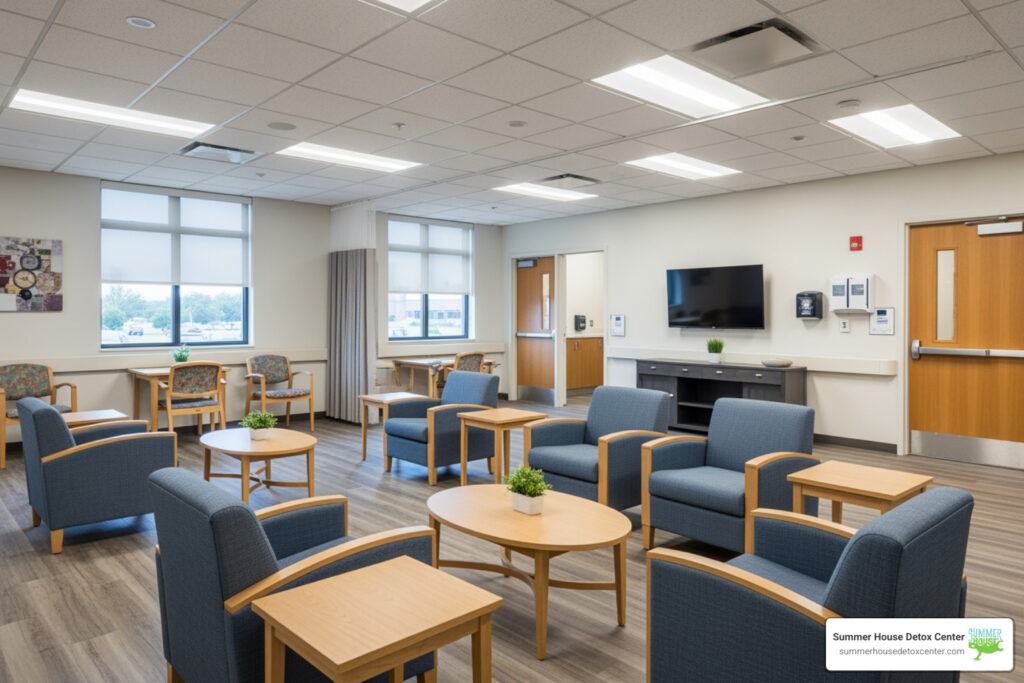
Understanding Inpatient Drug Rehab: A Foundation for Recovery
Inpatient drug rehab is a live-in treatment program where you stay at a facility 24/7 while receiving supervised, structured care for a substance use disorder. Here’s what you need to know:
Key Features:
- Residential setting – You live full-time at the treatment center
- Medical supervision – Healthcare professionals monitor you around the clock
- Structured schedule – Daily routine includes therapy, meals, and recovery activities
- Duration – Programs typically last 30-90 days, though some extend longer
- Comprehensive care – Includes detox, therapy, medication management, and aftercare planning
Addiction is a chronic brain disease, not a moral failing or a lack of willpower. It changes how your brain works, making it incredibly difficult to stop using substances on your own.
But here’s the truth: recovery is possible.
If you’ve tried to quit before and relapsed, you’re not alone. Many people in Florida will experience a substance use or mental health problem. The key difference with inpatient rehab is the environment—it removes you from the triggers, people, and places that make staying sober so difficult.
In Miami and across South Florida, inpatient programs offer what you can’t get at home: safety, structure, and professional support when withdrawal symptoms hit hardest. You’re surrounded by medical staff who understand what you’re going through and are part of a community fighting the same battle.
The first step is often the hardest, but it’s also the most important.
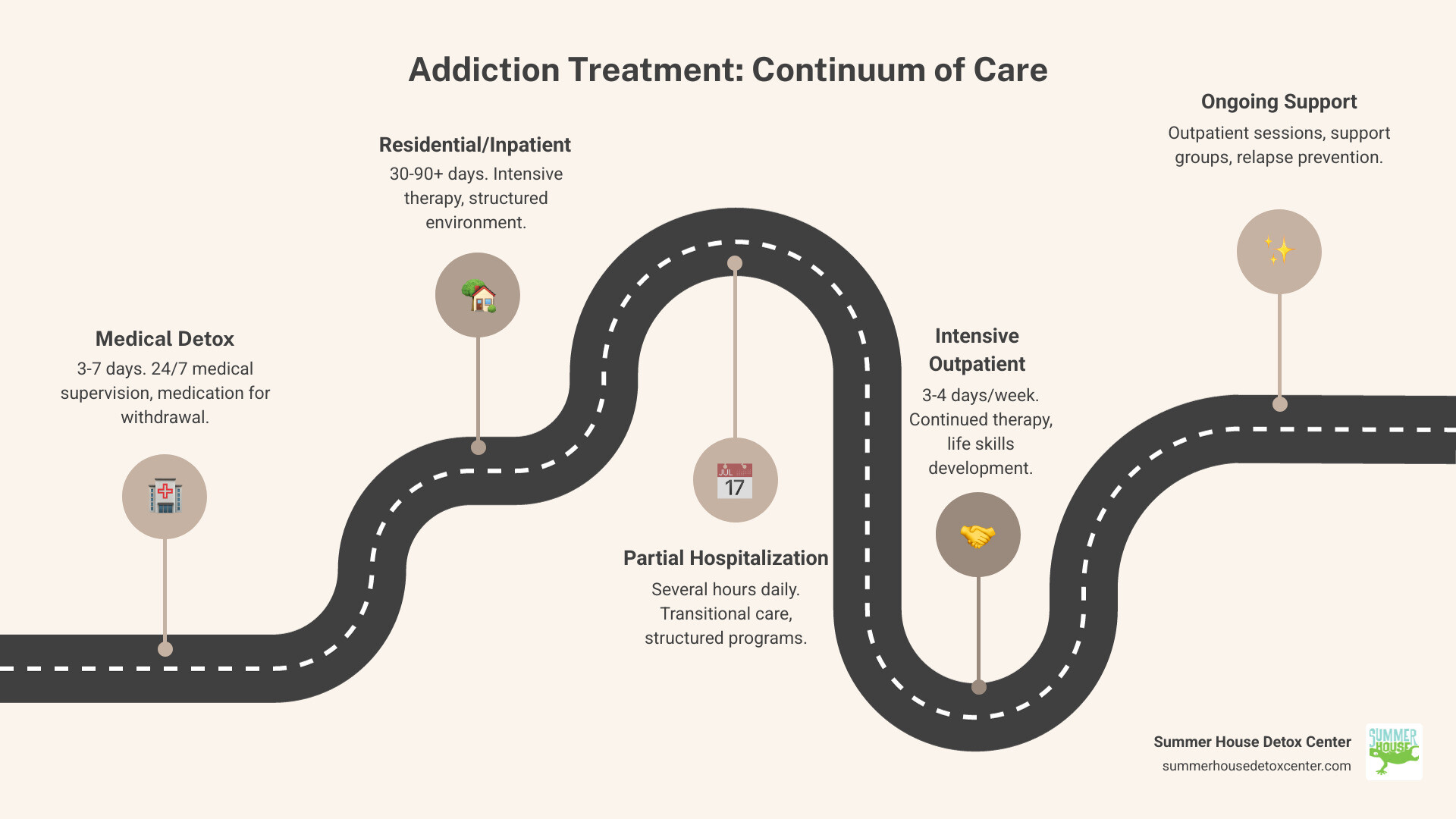
What to Expect During Inpatient Drug Rehab
When you choose inpatient drug rehab, you are immersing yourself in the healing process. It’s about understanding the root causes of addiction, developing new coping skills, and building a foundation for a healthier future. At Summer House Detox Center, we create a supportive environment for this profound change.

The journey begins with our intake process, designed to understand your unique needs, history, and goals. A phone assessment helps us gather information about your substance use, any co-occurring mental health conditions, and insurance coverage to tailor a personalized treatment plan.
Once admitted, our inpatient drug rehab centers in Miami and throughout Florida offer a highly structured daily schedule. This routine provides stability and helps establish healthy habits crucial for long-term recovery. You’ll also become part of a therapeutic community, living alongside others on their journey to sobriety. This peer support reduces feelings of isolation and is a powerful reminder that you are not alone.
The Critical First Step: Medical Detox
For many, the first step in inpatient drug rehab is medical detox, where your body safely rids itself of dependent substances. Attempting this alone can be dangerous. Our medical detox program is supervised around the clock by a dedicated team of healthcare professionals.
We provide 24/7 nursing care and administer medications to alleviate severe withdrawal symptoms, making the process as safe and comfortable as possible. This medically supervised detox is the essential foundation for your recovery journey. For more details, read our guide on Managing Withdrawal Symptoms and learn about the differences in our article, Alcohol vs. Drug Detox.
A Day in the Life: Structure and Therapies
A typical day in our inpatient drug rehab program blends therapeutic activities, personal reflection, and community engagement. A sample schedule includes:
- Morning: Meditation/mindfulness followed by a nutritional breakfast and group therapy.
- Afternoon: Individual counseling, educational sessions on addiction, and recreational activities like yoga or art therapy.
- Evening: Family therapy workshops, support group meetings (e.g., 12-Step), and time for reflection or journaling.
Our evidence-based therapeutic approaches include:
- Cognitive Behavioral Therapy (CBT): Helps you identify and change negative thought patterns and behaviors related to substance use.
- Dialectical Behavior Therapy (DBT): Teaches skills in mindfulness, distress tolerance, and emotional regulation.
- Group & Individual Therapy: Group sessions foster peer support, while individual therapy allows for deeper exploration of personal issues.
- Family Therapy: Helps heal relationships and build a strong support system at home. Learn more in our article on The Role of Family Therapy in Substance Abuse Treatment.
- Holistic Approaches: We incorporate yoga, meditation, and art therapy to promote overall well-being and reduce stress.
Treating a Range of Addictions
Our inpatient drug rehab programs in Florida are equipped to treat a wide spectrum of substance use disorders with a custom approach.
- Alcohol Addiction: We address the physical and psychological aspects of this chronic disease to help you break free from dependency.
- Opioid Addiction: We provide medically supervised detox and therapies to manage cravings and withdrawal from prescription painkillers or illicit opioids like heroin. Learn more about How Can Someone Come Off Heroin?.
- Stimulant Addiction (Cocaine, Meth): Our treatment focuses on managing intense cravings and rebuilding healthy brain function.
- Benzodiazepine Addiction: Our medical detox protocols ensure a safe and managed withdrawal, followed by therapeutic interventions.
- Co-occurring Disorders: We specialize in treating dual diagnosis, where substance use and mental health conditions like depression or anxiety occur together. Addressing both is crucial for lasting recovery, as explained in our guide to Dual Diagnosis Rehab.
Key Benefits of Choosing an Inpatient Program
Opting for an inpatient drug rehab program offers distinct advantages that improve the chances of long-term recovery, especially for those with severe addictions or a history of relapse.

- Safe and Trigger-Free Environment: A primary benefit is removal from your usual environment. Inpatient rehab creates distance between you and the people, places, and stressors that trigger substance use, allowing you to focus completely on recovery.
- 24/7 Medical and Emotional Support: You have constant access to medical professionals and therapists. This round-the-clock supervision is vital during early recovery, ensuring any crisis is addressed immediately and fostering a sense of security.
- Peer Community: Being surrounded by others who understand your struggles creates a powerful sense of community. This peer support reduces feelings of isolation and provides a network of encouragement and accountability.
- Intensive Therapy: Inpatient programs dedicate significant time to frequent and intensive therapy. This allows for a deep dive into the root causes of addiction and the development of effective coping mechanisms.
- Focus Solely on Recovery: Free from the responsibilities of daily life, your only job in inpatient drug rehab is to get well. You can fully immerse yourself in the therapeutic process and dedicate all your energy to healing.
- Higher Success Rates for Chronic Relapse: For individuals with a history of chronic relapse, longer-term inpatient programs often yield better outcomes by providing a stronger foundation for sustained sobriety.
Long-Term vs. Short-Term Rehab Programs
When considering inpatient drug rehab, you’ll often encounter options for both short-term and long-term programs. The choice depends on the severity of the addiction, individual needs, and substance use history.
| Feature | Short-Term Rehab (e.g., 28-30 days) | Long-Term Rehab (e.g., 60-90+ days) |
|---|---|---|
| Duration | Typically 3-4 weeks. | Generally 2-3 months, but can extend to 6-12 months or even longer in therapeutic community models. |
| Intensity | High intensity, often focused on immediate stabilization and introduction to recovery principles. | Sustained high intensity, allowing for deeper therapeutic work, skill-building, and addressing complex issues. |
| Ideal Candidate | Individuals with less severe addictions, those seeking initial detox and stabilization, or those with strong external support systems already in place. | Individuals with chronic relapse history, severe addictions, co-occurring mental health disorders, or those needing a complete overhaul of their living environment and coping skills. |
| Focus | Detox, initial therapy, and preparing for transition to outpatient care or extended support. | Comprehensive healing, addressing root causes of addiction, developing extensive coping strategies, rebuilding life skills, family reintegration, and preparing for sustained sober living through robust aftercare planning. |
For those with a history of chronic relapse, long-term inpatient drug rehab is often more effective. Since addiction is a complex disease, 30 days may not be enough time to address the deep-rooted issues contributing to substance use. Longer programs provide the time needed to:
- Address Deep-Rooted Issues: Explore and heal underlying trauma, mental health conditions, or unhealthy coping mechanisms through extensive therapy.
- Build Sober Living Skills: Learn to live a fulfilling sober life by developing healthy routines, stress management techniques, and communication skills.
- Break the Cycle of Relapse: Solidify your commitment to sobriety and build a stronger defense against future relapse in an immersive therapeutic environment.
A longer program may be the best option if your addiction is severe or your home environment is not supportive, even if it’s your first time in rehab. It’s about creating enough distance from old patterns to forge a new path.
Finding an Inpatient Rehab in Florida
Finding the right inpatient drug rehab center in Florida, especially in areas like Miami, Fort Lauderdale, or West Palm Beach, is a crucial step towards recovery. We understand this can feel overwhelming, but we’re here to help guide you.
The cost of treatment is often a significant concern. It’s important to know that options exist for various financial situations. Many people use their health insurance to cover all or part of the cost of inpatient drug rehab. The Affordable Care Act (ACA) requires most health insurance plans to cover substance abuse treatment as an essential health benefit. We encourage you to contact our admissions team to verify your insurance coverage; we can help you understand your benefits.
Beyond private insurance, there are other avenues:
- State-Funded Programs: Florida offers state-funded programs that provide free or low-cost options for eligible individuals. These programs have specific criteria and may have waiting lists, but they are a vital resource. Information on these programs can often be found through the Florida Department of Children and Families or other state health agencies.
- Private Pay Options: For those without insurance or who prefer a specific facility, private pay is an option. Many centers, including ours, can discuss payment plans or financing options to make treatment more accessible.
It’s essential to discuss your financial situation openly with the admissions team. Our priority is to help you access the care you need.
How to Choose a Quality Inpatient Drug Rehab Center
Choosing a quality inpatient drug rehab center is paramount to successful recovery. With many options available in Florida, it’s important to know what to look for:
- Accreditation and Licensing: Look for facilities accredited by reputable organizations like CARF or The Joint Commission. These signify that a center meets high standards of care. State licensing also ensures compliance with local regulations.
- Staff Qualifications: Ensure that the clinical staff, including therapists and doctors, are licensed, credentialed, and experienced in addiction treatment. Our team at Summer House Detox Center includes experienced professionals, some of whom are in recovery themselves, offering unique insight and empathy.
- Evidence-Based Therapies: A quality program uses researched and proven therapies, such as Cognitive Behavioral Therapy (CBT) and Dialectical Behavior Therapy (DBT).
- Low Staff-to-Patient Ratio: A lower ratio often means more personalized attention and individualized care, which is critical for addressing complex needs.
- Amenities and Location: The environment plays a role in comfort and healing. Our facilities in Miami, for example, offer a serene and supportive setting. Consider whether the location (like our Detox Centers in South Florida) and amenities contribute to your well-being. For more on our specific offerings, check out our page on Drug Rehab Miami.
- Specialization: If you have specific needs, such as a co-occurring mental health disorder, ensure the center specializes in treating those conditions.
Don’t hesitate to ask questions. The right fit can make all the difference.
How to Access Services and Get Admitted
Accessing inpatient drug rehab services in Florida is a straightforward process. You don’t always need a doctor’s referral to start.
- Self-Referral: Many individuals contact a treatment center directly. If you or a loved one is ready for change, you can simply reach out to us, as we operate on a self-referral basis.
- Doctor or Therapist Referral: Your primary care physician or therapist can also provide referrals to suitable inpatient drug rehab programs.
- Contacting Admissions: The first step is to contact the admissions department. Our specialists will conduct a phone assessment to gather information about your history and needs.
- Insurance Verification: A key part of the admissions process is verifying your insurance coverage. Our team can assist you with this.
- National Resources: If you’re unsure where to start, national directories like the SAMHSA National Helpline can be valuable resources.
At Summer House Detox Center, we offer a no-obligation, confidential consultation. Our caring admissions navigators are available to answer any questions you may have about treatment options and using your health insurance.
Life After Rehab: Ensuring Lasting Sobriety
Completing an inpatient drug rehab program is a monumental achievement, but it’s the beginning of a lifelong journey. The transition back to daily life requires a robust support system. Aftercare planning is the critical bridge from structured treatment to sustained sobriety.
Our programs emphasize comprehensive aftercare planning, which begins during your time in inpatient drug rehab. This plan is customized to your needs and helps you anticipate challenges. Key components often include:
- Relapse Prevention Planning: You’ll learn to identify triggers, develop healthy coping mechanisms, and create a personalized plan to steer high-risk situations.
- Sober Living Homes: These homes provide a supportive, structured, and drug-free environment, allowing you to gradually reintegrate into society while maintaining accountability.
- Outpatient Programs: These programs offer continued therapy and support while you live at home, ranging from intensive outpatient programs (IOPs) to less frequent individual counseling.
- Support Groups (AA, NA): Peer-led support groups like Alcoholics Anonymous (AA) and Narcotics Anonymous (NA) offer a community of individuals who understand your struggles and provide encouragement.
- Continued Therapy: Regular individual or group therapy sessions can help you process ongoing challenges and refine coping skills.
- Building a New Life: Aftercare also focuses on practical aspects of rebuilding your life, such as finding employment, mending relationships, and engaging in healthy hobbies. For guidance, read our article on Rebuilding Your Life After Rehab: Where to Start.
Our commitment is to equip you with the tools and connections necessary to thrive in your new, sober life.
Frequently Asked Questions about Inpatient Drug Rehab
It’s natural to have many questions when considering inpatient drug rehab. Here, we address some of the most common concerns.
How long does inpatient rehab last?
The duration of inpatient drug rehab varies based on individual needs. Generally, programs can range from:
- Short-term: 28-30 days, focusing on initial detox and stabilization.
- Standard: 60-90 days, allowing for more intensive therapy.
- Long-term: 6-12 months or longer, particularly for therapeutic communities.
Research suggests that longer treatment durations (90 days or more) are associated with better outcomes, especially for those with chronic addiction. Our team will work with you to determine the most appropriate length of stay.
Can I lose my job for going to rehab?
This is a common concern. Fortunately, federal laws offer protection. The Family and Medical Leave Act (FMLA) allows eligible employees to take up to 12 weeks of unpaid, job-protected leave for medical reasons, which includes addiction treatment. Additionally, the Americans with Disabilities Act (ADA) protects individuals in recovery from workplace discrimination.
We recommend discussing your situation with your HR department to understand your specific rights. Many employers are supportive of employees seeking help.
Is family involvement important for recovery?
Absolutely. Family involvement plays a critical role in long-term recovery. Addiction impacts the entire family, and healing often needs to occur collectively. When families are involved, it can significantly improve recovery outcomes.
Many inpatient drug rehab programs, including ours, offer family therapy sessions. These are designed to:
- Help family members understand addiction as a disease.
- Improve communication skills within the family.
- Address conflicts that have arisen due to substance use.
- Educate families on how to provide effective support without enabling.
A strong, healthy family support system is a powerful tool in preventing relapse and sustaining sobriety.
Your Path to Recovery Starts Today
Choosing inpatient drug rehab is a brave and life-changing decision. It’s a commitment to yourself, your health, and your future. We’ve seen how a structured, supportive, and medically supervised environment can provide the essential foundation for breaking free from the grip of addiction. Recovery is not just a dream; it’s a tangible reality that begins with that first, courageous step.
At Summer House Detox Center in Miami, Florida, we are dedicated to providing personalized, medically supervised detox and a compassionate path to recovery. Our experienced team, some of whom have walked this path themselves, understands the challenges and is here to support you with dignity and unwavering care.
You don’t have to face addiction alone. If you or a loved one is struggling, we invite you to reach out. Take the first step toward a new life filled with hope, healing, and lasting sobriety.
Contact Us: Ask a Question or Begin your journey to rehabilitation.
