
Understanding Methadone Withdrawal and the Search for Relief
Home remedies for methadone detox can offer comfort during withdrawal, but they are not a substitute for professional medical care. Methadone withdrawal is uniquely challenging and potentially dangerous, making medical supervision essential for safety.
Quick Answer: What Home Remedies Can Help?
While not a replacement for medical detox, these supportive measures can help manage symptoms:
- Hydration: Drink 2-3 liters of water daily to combat dehydration.
- Nutrition: Eat bland foods like bananas, rice, applesauce, and toast (BRAT diet).
- OTC Medications: Use loperamide for diarrhea and ibuprofen for aches, following dosage instructions.
- Comfort: Take warm baths, use heating pads, and try gentle stretching.
- Rest: Create a quiet, comfortable space for sleep.
- Distraction: Engage in movies, music, or reading to manage cravings.
Important: These remedies only provide symptom relief. Methadone withdrawal is severe and can last for months. Detoxing at home carries serious risks, including dehydration, heart complications, and a high risk of relapse and overdose.
If you’re in South Florida and considering methadone detox, you’re not alone in searching for ways to ease the process. However, methadone’s long-acting nature means withdrawal starts later, lasts longer (1-3 weeks for the acute phase), and is often more intense than with other opioids. Post-acute symptoms can linger for months.
Home remedies cannot address the serious medical complications that can arise. Opiate withdrawal can be life-threatening in severe cases, and many herbal remedies lack reliable scientific backing. The safest path combines supportive home care with professional medical supervision. In Miami and throughout Florida, medically supervised detox programs provide the monitoring and support needed to steer this challenge safely.
Home remedies for methadone detox word guide:
Understanding Methadone Withdrawal: Why It’s Different
Methadone is a synthetic opioid used for pain and opioid use disorder. Its long half-life means it stays in your system for an extended period, which significantly impacts withdrawal. Unlike heroin withdrawal, which starts in 4-6 hours, methadone withdrawal symptoms typically begin 12-48 hours after the last dose. This delay can be misleading, as the withdrawal process is often longer and more challenging.
The process isn’t just physical; it often involves a protracted phase called Post-Acute Withdrawal Syndrome (PAWS), where psychological symptoms can linger for months, making recovery difficult without support.
Common psychological symptoms include:
- Intense anxiety and agitation
- Depression and anhedonia (inability to feel pleasure)
- Irritability and mood swings
- Difficulty concentrating
- Persistent drug cravings
Physical symptoms can also persist. For a general overview, see our guide on Opiate Withdrawal Symptoms. In professional settings, the Clinical Opiate Withdrawal Scale (COWS) is used to assess withdrawal severity and guide treatment.
Primary Symptoms of Methadone Withdrawal
Methadone withdrawal involves a range of symptoms as the body reacts to the absence of the drug. According to the DSM-5-TR, opioid withdrawal causes various physical and emotional issues. Here are the primary symptoms:
- Anxiety: A pervasive feeling of unease, worry, or nervousness.
- Insomnia: Difficulty falling or staying asleep, leading to exhaustion.
- Muscle aches and bone pain: Often described as a deep, throbbing, flu-like pain.
- Nausea and vomiting: Can lead to significant dehydration.
- Diarrhea: Another common GI symptom contributing to fluid loss.
- Sweating: Profuse sweating with hot and cold flashes.
- Intense cravings: A powerful, hard-to-manage urge to use methadone again.
- Depression: Feelings of sadness, hopelessness, and lack of motivation.
- Restlessness and agitation: An inability to sit still, often with irritability.
- Piloerection (“goosebumps”): A classic sign of opioid withdrawal, known as “cold turkey.”
- Dilated pupils: Pupils that appear larger than normal.
- Runny nose and watery eyes: Early, allergy-like symptoms.

How Long Does Withdrawal Last?
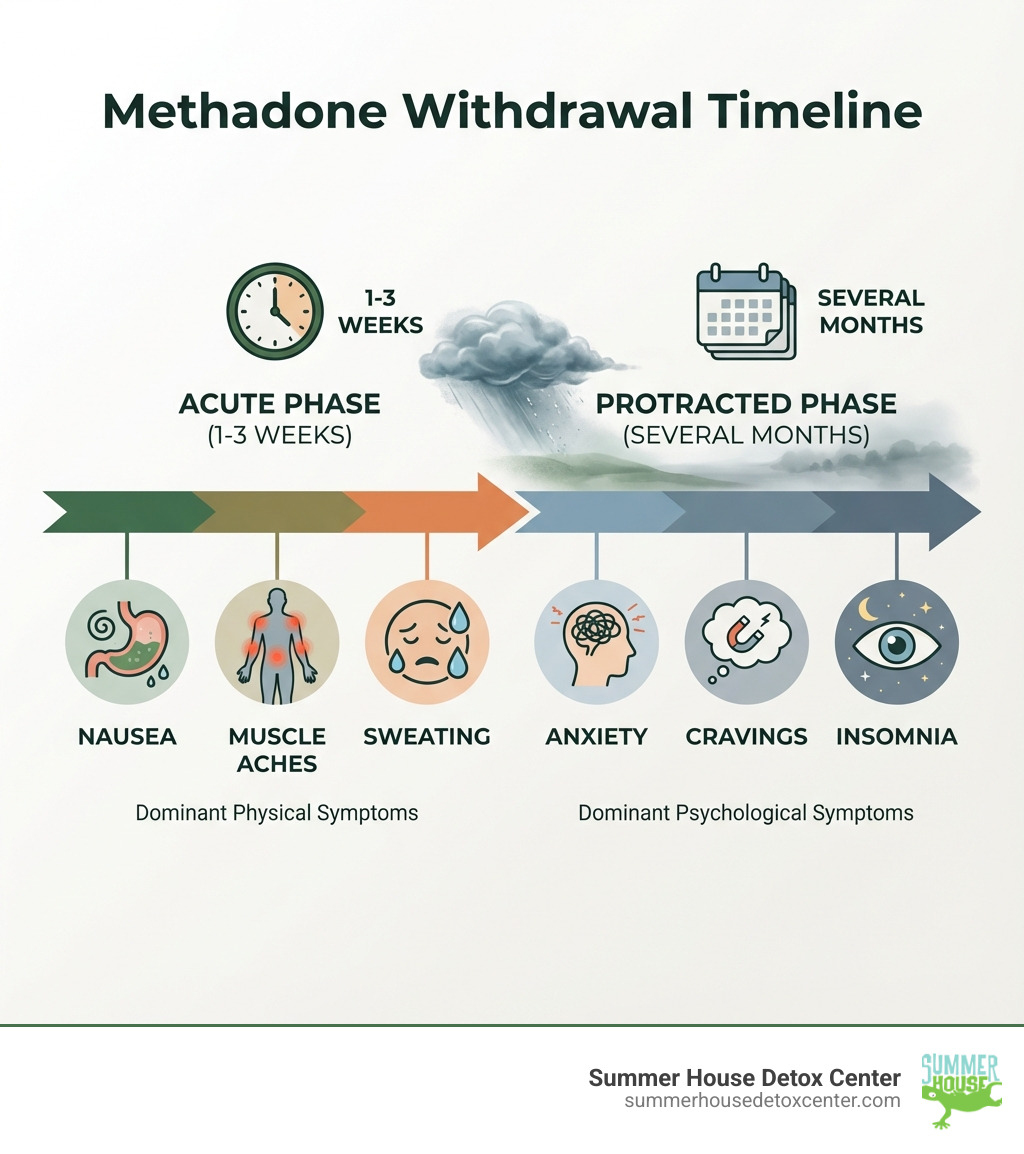
The duration of methadone withdrawal varies based on dosage, duration of use, and individual health. It generally occurs in two phases:
- Acute Phase: This is when physical symptoms are most intense. It typically begins 12-48 hours after the last dose and can last 1 to 3 weeks. Symptoms like muscle aches, nausea, and intense cravings peak during this time.
- Protracted Phase (PAWS): After the acute phase, many experience Post-Acute Withdrawal Syndrome. This phase can last for several months (up to 6 or longer), with symptoms like anxiety, depression, sleep problems, and fatigue.
Understanding this timeline highlights why professional medical supervision is critical. Managing such a prolonged and intense process alone is overwhelming and dangerous. For more on withdrawal duration, see our page on How Long Does it Take to Withdraw from Opiates?.
Supportive Home Remedies for Methadone Detox: Managing Symptoms
While home remedies for methadone detox cannot replace medical care, they can play a supportive role in managing discomfort. Think of them as comfort measures that complement professional treatment. At Summer House Detox Center, we prioritize your comfort, and these remedies can help.
Hydration and Nutrition for Recovery
Proper hydration and nutrition are critical during methadone withdrawal. Vomiting and diarrhea create a high risk of dehydration and electrolyte imbalance, which can worsen fatigue, headaches, and muscle cramps.
- Fluids: Drink at least 2-3 liters of water or clear fluids daily. Electrolyte solutions like diluted sports drinks or coconut water can help replenish lost salts.
- BRAT diet: For an upset stomach, the BRAT diet (Bananas, Rice, Applesauce, Toast) is often recommended. Bananas are rich in potassium, while the other foods are bland and easy to digest.
- Nutrient-dense foods: As your appetite returns, focus on small, frequent meals of lean proteins, cooked vegetables, and whole grains.
- Avoid caffeine and sugar: These can worsen anxiety, agitation, and tremors, and lead to energy crashes. Opt for herbal teas or water instead.

Over-the-Counter (OTC) Aids and Comfort Measures
Several OTC medications and simple comfort measures can alleviate specific symptoms. Always follow dosage instructions and consult a healthcare professional before combining medications.
- For diarrhea: Loperamide (Imodium) can help reduce fluid loss.
- For aches and pains: NSAIDs like ibuprofen (Advil) or acetaminophen (Tylenol) can manage muscle aches and headaches.
- For nausea: Medications like meclizine (Bonine) or dimenhydrinate (Dramamine) can help. Antihistamines like Benadryl may also reduce nausea and aid sleep.
- Hot baths or showers: Soaking in warm water can provide significant relief for muscle cramps and body aches.
- Gentle stretching: Light stretching or yoga can alleviate muscle stiffness and improve circulation.
- Distraction: Engaging your mind with movies, music, or books can be a powerful tool against discomfort and cravings.
These measures are designed to make withdrawal more tolerable, but they do not address the underlying dependence or potential for severe complications.
The Truth About Herbal Remedies and Supplements
The allure of “natural” solutions for home remedies for methadone detox is strong, but it’s crucial to approach herbal remedies and supplements with significant caution. While some studies suggest they can reduce opioid withdrawal symptoms, the scientific certainty is not robust. Many studies have a high risk of bias, meaning their findings are less reliable than those for conventional medical treatments.
Furthermore, supplements are not regulated by the FDA like pharmaceuticals, leading to inconsistencies in quality, purity, and dosage. Critically, they can interact dangerously with other medications, including methadone itself, potentially worsening withdrawal symptoms. For more details, see our page on Herbal Remedies for Opiate Withdrawal Symptoms.
Commonly Discussed Herbs for Opioid Withdrawal
Some herbs are discussed for opioid withdrawal, but their use requires extreme caution and medical consultation. They can have side effects and interact with other drugs, as explained in How Methadone Interacts with Other Drugs, What You Should Know.
- Passionflower: May help with anxiety.
- Valerian root: Often used for insomnia.
- Kava: Sometimes suggested for anxiety but carries a risk of liver damage and is generally not recommended.
- Ginseng: Studied for its potential to improve energy and well-being.
- Other Herbs: Research has explored Nigella sativa (black seed), curcumin, and others for symptom relief, but the evidence remains limited.
Limitations of at-home remedies for methadone detox
It’s crucial to understand the limits of home remedies for methadone withdrawal. Attempting detox at home without medical supervision is fraught with risks that these remedies cannot address.
- Inability to manage severe symptoms: Home remedies are often insufficient for the extreme pain, vomiting, and diarrhea of severe methadone withdrawal.
- No support for medical complications: Life-threatening issues like severe dehydration, heart complications, or aspiration pneumonia require immediate medical intervention unavailable at home.
- High risk of relapse and overdose: The intense discomfort and cravings of unsupervised withdrawal significantly increase relapse risk. A subsequent overdose can be fatal due to lowered tolerance.
- Lack of psychological support: Severe anxiety, depression, and suicidal thoughts require professional mental health care that home remedies cannot provide.
This is why we strongly caution against detoxing from methadone with only home remedies. It is not safe or effective. Learn more about the dangers on our page, Are At-Home Opiate Detox Kits Safe?.
Why Professional Detox in Florida is the Safest Choice
Given the dangers of methadone withdrawal, professional, medically supervised detox is the safest and most effective path to recovery. As a leading detox facility in Miami, Florida, we cannot overstate the importance of this step.
A home environment is not equipped to handle medical complications like severe dehydration or heart rhythm disturbances. The psychological distress can also escalate into a mental health crisis. A structured, professional environment significantly reduces relapse risk, and Florida’s recovery community offers a network of support that begins with comprehensive detox. Learn more about the risks of self-detox in The Importance of Medically Supervised Detox: Why DIY Detox Can Be Dangerous.
The Dangers of Quitting Methadone “Cold Turkey”
Quitting methadone abruptly without medical supervision is highly dangerous and rarely successful. It puts immense stress on your body and can lead to life-threatening complications.
- Severe dehydration: Uncontrolled vomiting and diarrhea can cause dangerous fluid loss.
- Heart complications: Withdrawal stress can lead to rapid heart rate, blood pressure changes, and cardiac arrhythmias.
- Aspiration pneumonia: Inhaling vomit can cause a severe, potentially fatal lung infection.
- Overwhelming psychological symptoms: Severe anxiety, panic attacks, depression, and suicidal thoughts can become unbearable without professional support.
- Increased overdose risk upon relapse: This is a grave danger. After detox, tolerance is lower, and using the same previous dose can be fatal.
For a deeper dive, visit our article on What are the Risks of Quitting Opiates Cold Turkey?.
When to Seek Help from a South Florida Detox Center
Knowing when to seek professional help is crucial. If you or a loved one in South Florida experience any of the following, immediate medical intervention from a detox center is necessary:
- Uncontrollable vomiting or diarrhea
- Suicidal thoughts or severe depression
- Hallucinations
- Inability to keep fluids down
- Signs of severe dehydration (extreme thirst, no urination, fever, disorientation)
- Pre-existing medical conditions like heart disease or diabetes
In these situations, a specialized detox center in South Florida, like Summer House Detox Center, provides the critical care needed for safety and comfort. Learn more about our local services at Detox Centers in South Florida: What You Need to Know.
The Gold Standard: Medically-Assisted Methadone Detox
At Summer House Detox Center, we provide the gold standard for methadone detox: medically-assisted treatment (MAT) in a supervised, supportive environment. This approach uses FDA-approved medications and 24/7 medical monitoring to safely manage withdrawal symptoms, reduce cravings, and prevent complications, building a strong foundation for recovery. For more on this approach, explore our guide on Understanding Medication-Assisted Treatment.
What to Expect in an Inpatient Methadone Detox
Choosing inpatient detox at our Miami facility means prioritizing your health. Here’s what to expect:
- Comprehensive Assessment: We conduct a thorough evaluation of your physical and mental health to create a personalized detox plan.
- Symptom-Specific Medications: We use medications like clonidine to reduce anxiety, agitation, and aches, along with others for nausea and sleep.
- IV Fluids for Hydration: We can administer intravenous (IV) fluids to treat dehydration, a critical part of safe detox.
- Nutritional Support: We provide nutritious, balanced meals to support your body’s healing process.
- A Safe and Comfortable Environment: Our inpatient facility offers a serene, private environment away from triggers. Our caring staff, some in recovery themselves, provide constant support and understanding.
This level of care is impossible with home remedies for methadone detox. For details on our services, see our page on Inpatient Methadone Detox.
The Role of Therapy and Aftercare Planning
Detox is just the first step. True recovery requires addressing the root causes of addiction, which is why therapy and aftercare planning are integral to our program.
- Therapy: We offer individual and group counseling to develop coping mechanisms, address co-occurring mental health disorders, and build a supportive community. Learn more about The Role of Therapy in Detox.
- Craving and Relapse Prevention: Therapy helps you identify triggers, manage cravings, and develop a robust relapse prevention plan.
- Aftercare Planning: Before you leave, we work with you to create a comprehensive aftercare plan, which may include outpatient therapy, support groups like Narcotics Anonymous (NA), or sober living arrangements. This continuous support is vital for Life After Detox: Building a Strong Foundation for Long-Term Sobriety.
Frequently Asked Questions about Methadone Detox
We often receive questions about managing methadone withdrawal, especially regarding at-home approaches. Here are answers to some common inquiries.
Can detox drinks or kits help with methadone withdrawal?
No. The idea that special drinks or kits can flush methadone from your system or ease withdrawal is a myth. Methadone’s elimination is a complex biological process that cannot be sped up by these products. Your liver and kidneys are your body’s natural detoxification system. These kits are ineffective, contain unregulated ingredients, and can pose health risks, delaying proper medical care. Learn more about The Science of Detox: How Your Body Eliminates Toxins During Recovery.
Are there specific home remedies for methadone detox cravings?
While no home remedy can cure cravings, some strategies can help you cope as supportive measures. These include distraction techniques (movies, music), mindfulness and meditation, and connecting with support groups like Narcotics Anonymous (NA). However, intense cravings are a neurological issue that often requires professional intervention. Therapists can teach specific coping skills to manage them effectively.
Is it ever safe to detox from methadone at home?
We strongly advise against it. Detoxing from methadone at home is extremely risky due to the potential for severe, life-threatening medical complications that are unmanageable in a home setting. In very rare cases, a doctor might supervise an extremely slow, gradual taper at home, but this is a medical decision, not a self-initiated home remedies for methadone detox plan. For the vast majority, the high risk of relapse and fatal overdose makes professional medical detox the only truly safe option. This is why Why Medical Detox is a Vital First Step in Recovery is so important to understand.
Your Safest Path to a Methadone-Free Life in Miami
Navigating methadone withdrawal is a monumental challenge. While home remedies for methadone detox can offer temporary comfort, they are not a substitute for professional medical care. The unique nature of methadone withdrawal, with its prolonged and severe symptoms, requires expert supervision for your safety and success.
At Summer House Detox Center in Miami, Florida, we understand these complexities. We offer a personalized, medically supervised detox program designed for your comfort, dignity, and long-term recovery. Our experienced team provides 24/7 medical monitoring, symptom-specific medications, and compassionate support in a safe, serene environment.
Choosing professional detox ensures medical complications are managed, psychological distress is addressed, and you receive the support needed to prevent relapse. Our comprehensive approach integrates therapy and aftercare planning to set you on a path to a methadone-free life.
If you’re in Miami or anywhere in Florida and ready to take the safest step towards recovery, we are here to help. Learn more about our specialized services by visiting Detox Services: Methadone Detox.
