
Understanding Alcohol Dependence and the Need for Professional Support
How to detox from alcohol safely requires medical supervision, proper nutrition, and a supportive environment. If you’ve been drinking heavily for weeks, months, or years, stopping suddenly can trigger dangerous withdrawal symptoms that range from mild anxiety to life-threatening seizures.
Quick Answer: Safe Alcohol Detox Steps
- Seek medical evaluation – A healthcare professional will assess your withdrawal risk using standardized tools
- Choose supervised detox – Medical facilities in Miami and throughout Florida provide 24/7 monitoring and medication management
- Stay hydrated – Drink about 3 liters of water daily during detox
- Support your body – Eat nutrient-rich foods, especially those high in B vitamins
- Plan for continued care – Detox is just the first step; ongoing treatment prevents relapse
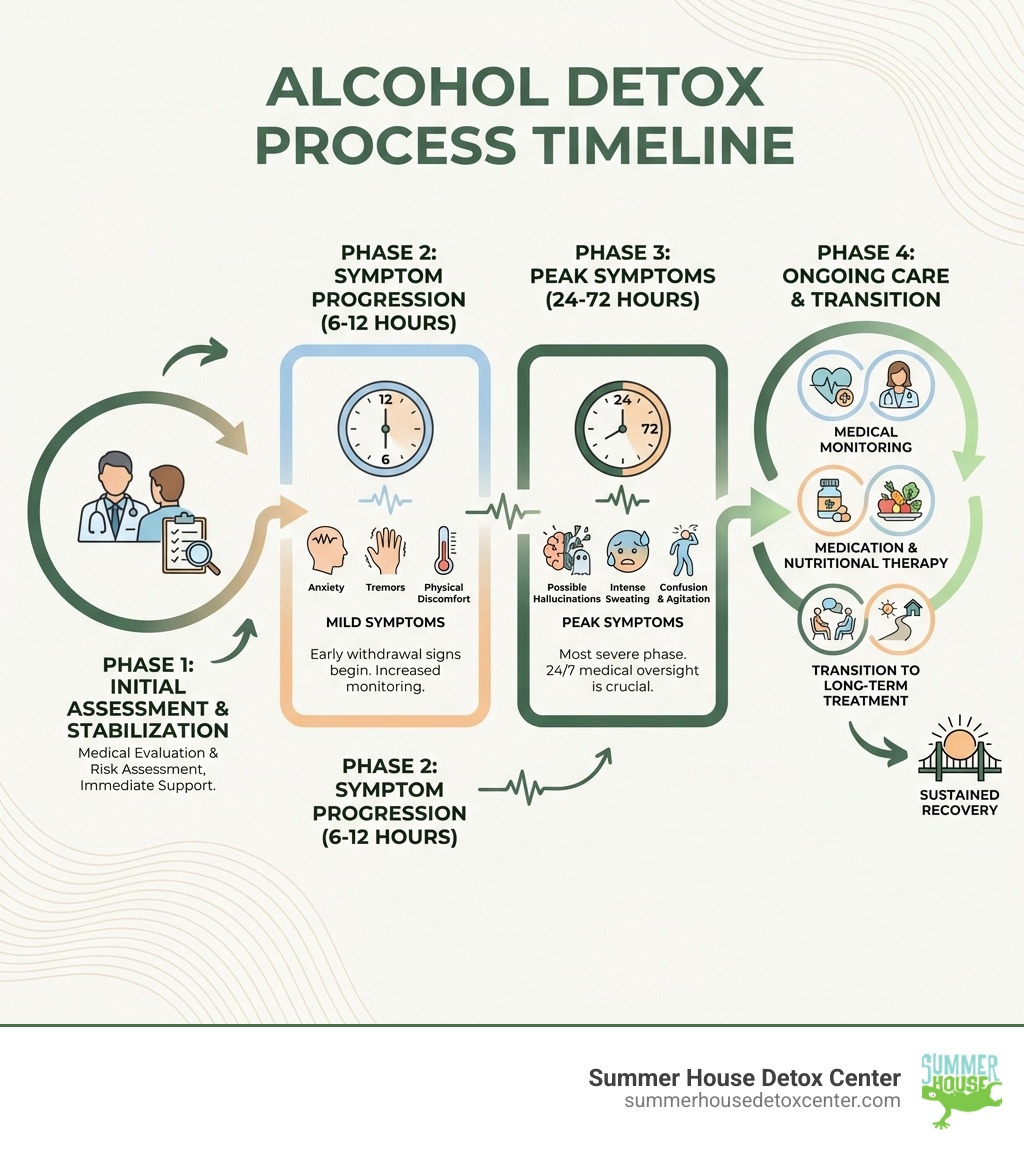
About half of all people with alcohol use disorder experience withdrawal symptoms when they stop drinking. These symptoms can start within 6-12 hours after your last drink and typically peak between 24-72 hours. For some people, particularly those with severe alcohol dependence, withdrawal can be fatal if not properly managed.
Alcohol affects your central nervous system by slowing down brain function. When you drink regularly, your body adapts to alcohol’s presence. Your brain and nervous system work harder to keep you alert and functioning normally. When you suddenly remove alcohol, your system goes into overdrive – causing the physical and mental symptoms of withdrawal.
Medical detox provides the safest path forward. In Florida, experienced addiction specialists use evidence-based protocols to manage withdrawal symptoms, prevent complications, and stabilize your health. This supervised approach dramatically reduces the risk of seizures, delirium tremens, and other dangerous complications.
You don’t have to face this alone. Whether you’re in Miami or elsewhere in Florida, professional help is available to guide you through detox with dignity and compassion.
How to detox from alcohol terms explained:
How to Detox from Alcohol Safely
When it comes to how to detox from alcohol, safety should always be your top priority. Alcohol detoxification is a process where your body eliminates alcohol, and it can be dangerous if not managed correctly. We understand that taking this first step can feel overwhelming, but with proper medical supervision, it’s a journey you can steer successfully.
Medical detox offers a structured and safe environment that home detox simply cannot match. For instance, in our Miami facility, we adhere to strict clinical standards and safety protocols to ensure your well-being. Our medically supervised detox programs are designed for personalized care, focusing on your comfort, dignity, and overall health. We offer 24/7 monitoring and support from experienced staff, many of whom are in recovery themselves, providing a unique blend of professional expertise and compassionate understanding.
The goal of medical detox is not just to get alcohol out of your system, but also to stabilize your health and manage withdrawal symptoms effectively. This stabilization is crucial because severe withdrawal reactions can occur suddenly and without warning. Our Florida addiction specialists are equipped to provide immediate medical attention, preventing complications like seizures and delirium tremens. Detoxification itself is the essential first step, a catalyst that helps you prepare for the deeper work of recovery.
To learn more about our comprehensive alcohol detox services and how we can support you, please visit: More info about alcohol detox services.
The Importance of Professional Assessment
Before beginning any detox, a professional assessment is non-negotiable. This isn’t just a formality; it’s a critical step that ensures your detox plan is custom to your specific needs and risks. Our medical team in Miami conducts a thorough evaluation, which includes:
- Health History: We’ll discuss your drinking patterns, duration of use, and any previous withdrawal experiences. This helps us understand your unique physiological dependence.
- Physical Exam: A comprehensive physical check-up helps identify any underlying health conditions that could impact your detox.
- CIWA-Ar Scale: We use standardized tools like the Clinical Institute Withdrawal Assessment for Alcohol (CIWA-Ar) questionnaire. This 10-item assessment helps us accurately gauge the severity of your alcohol withdrawal symptoms and determine the appropriate level of care—whether it’s mild, moderate, or severe. This personalized care approach aligns with guidelines from authoritative sources like the American Psychiatric Association DSM-5 Guidelines, ensuring your treatment is evidence-based and effective.
Being completely honest about your alcohol use history is vital during this assessment. It allows our Florida medical professionals to anticipate potential challenges and provide the most effective treatment, ensuring your safety and comfort throughout the detox process.
Creating a Supportive Environment
Detoxing from alcohol isn’t just a physical process; it’s an emotional and psychological one too. Creating a supportive environment is paramount for success, both during detox and in the broader recovery journey. At Summer House Detox Center, we emphasize building robust support systems for our clients.
This includes:
- Family Involvement: Alcohol dependence affects everyone in the family. We encourage family involvement, providing education and support to your loved ones so they can better understand and assist you. It’s also helpful to explain to caregivers that you may not act like your usual self during detox; this helps manage expectations and fosters patience.
- Peer Support: Engaging with others who understand your struggles can be incredibly empowering. Groups like Alcoholics Anonymous (AA) offer invaluable emotional and social assistance. While you’ll find local chapters across Florida, their general principles are widely accessible, and you can explore resources like those found on the Alcoholics Anonymous resources website.
- Stress Management: Withdrawal can be a stressful time, so managing stress is key. We help you cultivate a calm environment and introduce activities that promote relaxation, such as gentle music, reading, or mindfulness exercises. Reducing external stressors can significantly ease the discomfort of withdrawal and prevent unnecessary anxiety.
Our Miami recovery community offers a compassionate space where you can feel understood and supported, surrounded by people dedicated to your healing.
Understanding Alcohol Withdrawal Symptoms and Timeline

Understanding the symptoms and timeline of alcohol withdrawal is crucial when considering how to detox from alcohol. When you regularly consume alcohol, your central nervous system adapts to its presence, working overtime to maintain balance. When alcohol is suddenly removed, your brain and body, still in overdrive, react with a range of symptoms. This physiological shock can be intense and, in some cases, life-threatening.
Mild symptoms often begin around 6-12 hours after your last drink. These can intensify, with symptoms typically peaking between 24 and 72 hours. For chronic or heavy alcohol users, detox may last up to two weeks or even longer. The rapid rate at which alcohol is metabolized means symptoms can arise and resolve quickly, making continuous monitoring essential for safety, as highlighted in the Clinical management of withdrawal research. Our Florida-based team is well-versed in managing these dynamic timelines.
Early Signs and How to Detox from Alcohol Symptoms
The initial phase of alcohol withdrawal often brings uncomfortable, though usually not life-threatening, symptoms. These early signs are your body’s way of reacting to the absence of alcohol. Knowing what to expect can help you prepare, but these symptoms can progress quickly.
Common early withdrawal symptoms include:
- Anxiety: A feeling of unease, nervousness, or worry.
- Insomnia: Difficulty falling or staying asleep.
- Nausea and Vomiting: Stomach discomfort, often accompanied by vomiting.
- Tremors: Shakiness, particularly in the hands.
- Headaches: Ranging from mild to severe.
- Heart Palpitations: A sensation that your heart is racing or pounding.
- Increased Sweating: Often accompanied by clammy skin.
While these symptoms are considered “mild,” they can be incredibly distressing. They signal that your body is physically dependent on alcohol. For more detailed information on alcohol misuse and its effects, the NHS Alcohol Misuse Guide offers valuable insights. Even with mild symptoms, professional guidance is recommended to ensure they don’t escalate.
Severe Complications: Seizures and Delirium Tremens
While many experience only mild to moderate withdrawal, be aware of the severe complications that can arise, especially for those with long-term or heavy alcohol dependence. These complications are medical emergencies that require immediate professional intervention.
- Seizures: The risk of seizures is highest within 48 hours after your last alcohol use. These can be generalized tonic-clonic seizures, which are serious and can be life-threatening.
- Delirium Tremens (DTs): This is the most severe form of alcohol withdrawal, occurring in about 5% to 10% of people with alcohol dependence. DTs typically start around 24-72 hours after the last drink and can last several days, often being most intense four to five days after alcohol cessation. Symptoms of DTs include:
- Severe confusion and disorientation
- Hallucinations (seeing, hearing, or feeling things that aren’t there)
- Extreme agitation
- Rapid heart rate and high blood pressure
- Fever and profuse sweating
- Potentially, cardiovascular collapse, brain damage, or even death.
The unpredictable nature and high mortality rate associated with DTs underscore why attempting how to detox from alcohol at home is so risky. Immediate medical attention is crucial if these symptoms appear. Research into conditions like Delirium Tremens consistently emphasizes the need for professional, supervised care. Our Miami and Florida medical detox centers are equipped to handle these emergencies, providing the necessary medications and monitoring to ensure your safety.
The Role of Nutrition and Hydration in Recovery
A crucial,, aspect of how to detox from alcohol effectively is the role of proper nutrition and hydration. Years of heavy alcohol consumption can wreak havoc on your body, depleting essential nutrients and straining vital organs like your liver and kidneys. During detox, your body is working overtime to eliminate toxins and rebalance itself. Providing it with the right fuel is like giving it a superpower.
Our bodies are incredibly resilient, and the liver, in particular, has a remarkable ability to regenerate itself, even after extensive damage. However, it needs support. Healthy gut bacteria, nourished by a balanced diet, can significantly aid your liver and kidneys – your body’s most important detox organs. Adequate nutrition and hydration also help replenish electrolytes, stabilize blood sugar, and support overall mental and physical well-being. This holistic approach to healing is a cornerstone of our personalized care in Florida. For more on how diet can support this process, explore Nutritional considerations for detox.
Best Foods and How to Detox from Alcohol with Diet
When you’re asking how to detox from alcohol through diet, think nutrient-dense and easily digestible. Prolonged alcohol use often leads to a severe lack of B vitamins, which are crucial for nerve function and energy production. Replenishing these is a top priority.
Here’s a list of recovery foods we recommend:
- Whole Grains: Foods like oats, brown rice, and whole wheat bread are excellent sources of complex carbohydrates, providing sustained energy and much-needed B vitamins. Their high fiber content also promotes a healthy gut.
- Lean Proteins: Seafood, poultry, eggs, soy, and lentils offer essential amino acids without excess unhealthy fats, supporting tissue repair and overall strength.
- Fruits and Vegetables: These are packed with vitamins, minerals, and antioxidants. Fruits can also help satisfy cravings for sweets that often arise during detox due to their natural sugar content.
- Foods Rich in Vitamin B: Beyond whole grains, actively seek out salmon, poultry, dairy, leafy greens, beans, and lentils to replenish your body’s vital B vitamin stores. The importance of B Vitamin importance cannot be overstated during recovery.
- Cayenne Pepper: Though it might sound unconventional, adding a little cayenne pepper to your food can surprisingly help reduce alcohol cravings and alleviate withdrawal symptoms like stomach upset, nausea, and headaches. It also supports gut health.
- Omega-3 Fats: Found in salmon, walnuts, chia seeds, and flaxseed, healthy fats are crucial for reducing inflammation, stabilizing mood, and improving brain function, which can be particularly beneficial during the emotional fluctuations of detox.
Hydration and Substance Avoidance
Staying well-hydrated is fundamental to how to detox from alcohol. We recommend aiming for at least 3 liters of fluids daily. Water is your best friend, but other hydrating options include seltzer, mocktails, fruit juices, and even kombucha. Herbal teas like dandelion, green tea, milk thistle, and chamomile can also offer soothing benefits.
Just as important as what you consume is what you avoid:
- Processed Foods: These are often high in unhealthy fats, sodium, and artificial additives that can hinder your body’s healing process.
- Refined Sugars: While natural sugars from fruit are beneficial, refined sugars can cause rapid blood sugar spikes and crashes, intensifying cravings and mood swings.
- Excessive Caffeine: While a small amount might be okay, too much caffeine can worsen anxiety, insomnia, and jitters, which are already common withdrawal symptoms.
If you experience digestive issues like diarrhea during detox, a simple BRAT diet for digestive issues (Bananas, Rice, Applesauce, Toast) can help settle your stomach and replenish lost nutrients. Our comprehensive Florida detox programs integrate these nutritional strategies to support your body’s recovery.
Medical Detox vs. At-Home Detox: Risks and Benefits
Deciding how to detox from alcohol is a critical choice, and it often comes down to weighing the options of medical detox versus attempting it at home. While the idea of detoxing in the comfort of your own home might seem appealing, it carries significant, often life-threatening, risks.
| Feature | At-Home Detox | Medical Detox (Summer House Detox Center) |
|---|---|---|
| Safety & Monitoring | Unpredictable; no medical supervision; high risk of severe complications | 24/7 medical supervision; immediate response to emergencies; controlled environment |
| Symptom Management | Limited to OTC remedies; high discomfort; potential for escalation | Medication-assisted treatment (MAT); effective symptom suppression; comfort-focused |
| Complications | High risk of seizures, Delirium Tremens, death; difficult to get emergency help | Significantly reduced risk of severe complications; emergency care readily available |
| Relapse Rates | Higher due to discomfort, lack of support, and untreated cravings | Lower due to comprehensive support, medication, and transition to ongoing treatment |
| Personalized Care | None | Custom treatment plans based on individual assessment and needs |
| Support System | Relies on untrained friends/family; can be isolating | Experienced staff (some in recovery); peer support; family involvement |
| Success Rate | Lower, especially for moderate to severe dependence | Higher, with focus on stabilization and readiness for long-term recovery |
For individuals with moderate to severe alcohol dependence, attempting to detox at home is simply too dangerous. A person can die from severe alcohol withdrawal. The unpredictability of withdrawal, coupled with the 5-10% risk of developing Delirium Tremens and the heightened risk of seizures within the first 48 hours, makes professional medical supervision essential. Our Miami facility ensures that clients receive expert care, significantly reducing these risks, as emphasized in research on the Identification and management of AWS.
Medications Used in Professional Settings
One of the primary benefits of medical detox is access to medication-assisted treatment (MAT). These medications are carefully prescribed and monitored by our medical team in Florida to alleviate withdrawal symptoms, reduce cravings, and prevent dangerous complications.
Common medications used include:
- Benzodiazepines: Often the first line of treatment, medications like Chlordiazepoxide (Librium) and Diazepam (Valium) are used to calm the central nervous system. They help to prevent seizures, reduce anxiety, and stabilize vital signs during withdrawal. These are powerful medications and should only be used under strict medical prescription, as highlighted by MedlinePlus alcohol withdrawal info.
- Gabapentin: This medication can be used to help reduce alcohol cravings, improve sleep, and stabilize mood, potentially lowering the risk of relapse. It can also act as an anti-seizure medication.
- Anti-Seizure Medications: For individuals with a history of withdrawal seizures, specific anti-seizure medications may be administered to provide an extra layer of protection.
- Clonidine: Sometimes used to manage liftd heart rate and blood pressure, which are common during withdrawal.
These medications suppress the acute symptoms of withdrawal, making the detox process much safer and more comfortable. Our experienced medical staff in Miami carefully adjusts dosages based on your individual needs and response, ensuring your safety and comfort throughout.
Long-Term Recovery and Mental Health
Detox is a crucial first step, but it’s not the entire journey. How to detox from alcohol is also about laying the groundwork for sustainable, long-term recovery. This often involves addressing the psychological aspects of addiction and fostering mental well-being.
- Coping Skills: Many individuals use alcohol to cope with stress, anxiety, or trauma. In detox and subsequent treatment, we help you develop healthy coping mechanisms through therapy and counseling.
- Cognitive Behavioral Therapy (CBT): This effective talking therapy helps you identify and challenge unhelpful thoughts and beliefs about alcohol. It equips you with strategies to manage triggers and cravings, changing negative thought patterns into positive, recovery-oriented ones.
- Hormonal Balance: Alcohol significantly impacts hormone levels, including cortisol (the stress hormone), estrogen, and testosterone. As you stop drinking, these hormones begin to rebalance, which can lead to mood swings or anxiety. Our medical team monitors these changes and provides support to ease this transition.
- Support Groups: Continuing to engage with support groups like SMART Recovery or Alcoholics Anonymous after detox provides ongoing community and accountability, which are vital for maintaining sobriety. Our Miami facility connects you with local resources and a supportive community.
Addressing your mental health is paramount. Our personalized approach ensures that your emotional well-being is nurtured alongside your physical recovery, setting you up for a healthier, alcohol-free future.
Frequently Asked Questions about Alcohol Detox
How long does alcohol withdrawal typically last?
The duration of alcohol withdrawal can vary significantly based on individual factors such as the severity and duration of alcohol use, overall health, and whether detox is medically supervised. Generally, mild symptoms begin 6-12 hours after the last drink, with symptoms peaking between 24 and 72 hours. The acute phase of withdrawal typically lasts 3-7 days for most individuals. However, for chronic or heavy alcohol users, detox may extend up to two weeks or longer. Some psychological symptoms, often referred to as Post-Acute Withdrawal Syndrome (PAWS), like anxiety and insomnia, can linger for up to six months. Understanding these mechanisms is crucial, as detailed in research on Alcohol withdrawal syndrome mechanisms. Our Florida medical team provides continuous care throughout this timeline.
What are the signs that I need immediate medical attention?
It is vital to recognize when alcohol withdrawal symptoms escalate to a dangerous level, requiring immediate medical attention. If you or someone you are with experiences any of the following, call 911 or seek emergency care without delay:
- Seizures: Any seizure activity during withdrawal.
- Severe Confusion or Disorientation: Inability to think clearly, recognize people, or know where you are.
- Hallucinations: Seeing, hearing, or feeling things that are not real.
- Chest Pain: Any discomfort or pressure in the chest.
- Uncontrollable Vomiting: Vomiting many times and unable to stop, especially if it contains blood or looks like coffee grounds.
- Trouble Breathing: Difficulty breathing or breathing very fast.
- Rapid Heart Rate: Your heart beating more than 120 times a minute and not slowing down.
- Inability to stop from hurting yourself or someone else: Any thoughts or actions indicating self-harm or harm to others.
These symptoms indicate a potentially life-threatening situation. For comprehensive emergency care instructions, resources like Emergency care instructions provide further guidance. Our Miami facility is always ready to address such critical situations.
Can I detox from alcohol at home by tapering?
While “tapering” (gradually reducing alcohol intake) is sometimes suggested as a way to avoid severe withdrawal, it comes with significant risks and is generally not recommended without strict medical supervision. For those with moderate to severe alcohol dependence, attempting to taper at home can be dangerous and ineffective.
Even with a gradual 10% reduction rule, where you aim to cut down by approximately 10% per day, withdrawal symptoms can still be unpredictable and severe. High-risk factors, such as a history of withdrawal seizures or hallucinations, co-occurring health conditions, or heavy, prolonged alcohol use, make home tapering particularly hazardous. In such cases, the risks of complications like seizures or Delirium Tremens are too high to manage safely outside of a medical facility.
We strongly advise a medical consultation before attempting any form of detox. Our Florida safety warnings are clear: unsupervised home detox can make it challenging to get needed emergency help if complications arise. While resources like the Tapering risks (which links to a unit calculator but highlights the need for careful management) can help you track intake, they cannot replace professional medical guidance. For your safety and well-being, especially when considering how to detox from alcohol, a medically supervised detox program is always the safest and most effective path.
Conclusion
Starting on the journey of how to detox from alcohol is a courageous step towards a healthier, alcohol-free life. It’s a path that requires careful consideration, professional guidance, and unwavering support. While the challenges of withdrawal can seem daunting, you don’t have to face them alone.
At Summer House Detox Center in Miami, FL, we believe in providing personalized, medically supervised detox with a focus on your comfort, dignity, and long-term recovery. Our dedicated team, some of whom have walked the path of recovery themselves, offers compassionate care and clinical expertise to ensure your safety and well-being throughout the detox process. We’re here to help you steer the complexities of withdrawal, manage symptoms, and lay a solid foundation for a new beginning.
Your journey to recovery starts here, amidst the tranquil beauty of the Miami coastline, representing the fresh start that awaits you. We invite you to reach out and experience the difference that personalized, dignified care can make.
