
Understanding Alcoholism Medication: A Path to Recovery
If you or a loved one is struggling with alcohol use disorder (AUD), there’s good news: effective help is available. Alcoholism medication can be a powerful tool on the path to recovery. These medicines work in different ways to support sobriety and reduce cravings.
Here are the main FDA-approved medications for AUD:
- Naltrexone (oral and injectable): Reduces cravings and the pleasurable effects of alcohol by blocking opioid receptors.
- Acamprosate: Helps restore brain chemistry balance, easing post-withdrawal discomfort and reducing cravings.
- Disulfiram: Creates an unpleasant physical reaction when alcohol is consumed, acting as a deterrent.
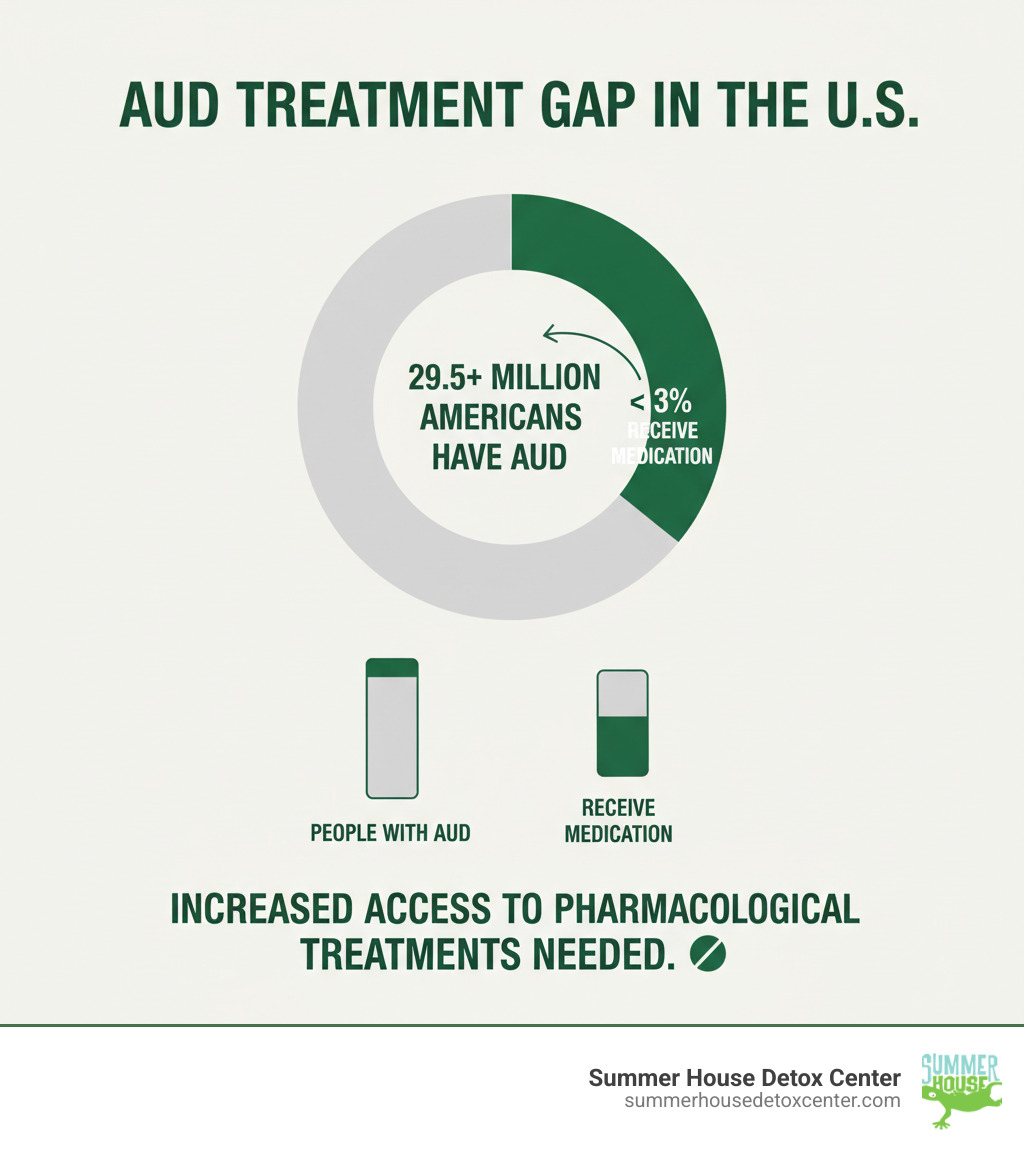
It’s important to know that you are not alone. More than 29.5 million Americans ages 12 and up had alcohol use disorder in 2022. This issue impacts communities across the nation, including here in Florida. Yet, less than 3% of those affected receive medication. This gap means many people aren’t getting the support they need.
Medications for AUD are not a cure, but they can significantly help manage symptoms and prevent relapse. When combined with counseling and support, they offer a strong foundation for a fresh start. This guide will explore how these medications work, their benefits, and how they fit into a comprehensive recovery plan.
The Scope of Alcohol Use Disorder in America and Florida
When we talk about Alcohol Use Disorder (AUD), often called alcoholism, it’s more than just a medical term. It’s a real challenge impacting millions of lives, right here in America, and certainly in our beloved Florida. Just imagine: over 29.5 million Americans aged 12 and up faced AUD in 2022. That’s a huge number, and behind each one is a person, a family, and a community feeling the heavy weight of excessive alcohol use.
The effects of AUD are truly heartbreaking and touch every corner of society. Sadly, deaths linked to too much alcohol have shot up dramatically in recent years. In 2021 alone, a staggering 178,000 people in the U.S. lost their lives due to excessive alcohol use. This is a big jump from five years earlier, and we saw the biggest increase during the first year of the COVID-19 pandemic. It truly puts into perspective how serious this issue has become.
What’s even more striking is that alcohol is now responsible for more deaths than all drug overdoses combined. This isn’t just a national statistic; it’s a crisis that deeply affects states like ours. Here in Florida, from the busy streets of Miami to every small town, we see families and individuals struggling with the consequences of alcohol misuse every single day.
This urgent situation calls for effective and accessible solutions. That’s why understanding tools like alcoholism medication is so important. These medications can be a vital part of a broader plan, offering real hope and practical support for those ready to turn a new page and reclaim their lives.

FDA-Approved Alcoholism Medication: The Core Three
When it comes to treating alcohol use disorder, the U.S. Food and Drug Administration (FDA) has your back. The FDA carefully evaluates medications through rigorous testing before approving them for AUD treatment. This means when you or your doctor considers alcoholism medication, you can trust that these options are backed by solid scientific evidence.
As of now, three main medications have earned FDA approval specifically for treating AUD. Each one works differently in your brain and body, offering distinct approaches to help you reduce drinking, manage cravings, or maintain abstinence. Think of them as different tools in your recovery toolbox—what works best depends on your unique situation, health history, and recovery goals.
Understanding how these medications work, their benefits, and potential side effects is essential. Whether you’re exploring treatment options for yourself or supporting a loved one here in Miami or anywhere in Florida, this knowledge empowers you to have informed conversations with healthcare providers.
Here’s a quick comparison of the three FDA-approved medications:
| Medication | Mechanism of Action | Primary Goal | Common Side Effects | Key Contraindications |
|---|---|---|---|---|
| Disulfiram | Inhibits alcohol metabolism, causing acetaldehyde buildup | Deterrence (aversive) | Nausea, vomiting, headache, flushing, chest pain | Alcohol consumption, severe heart disease, psychosis, metronidazole use, severe liver impairment |
| Naltrexone | Opioid receptor antagonist | Reduces cravings, blocks reward | Nausea, headache, dizziness, fatigue, anxiety, injection site reactions (injectable) | Opioid use/dependence, acute hepatitis, liver failure |
| Acamprosate | Modulates glutamate neurotransmission | Reduces cravings, supports abstinence | Diarrhea, headache, nausea, insomnia | Severe kidney impairment |
Disulfiram (Antabuse): Creating a Physical Deterrent
Disulfiram, sold under the brand name Antabuse, has quite a story. It was the very first medication approved to treat alcoholism, earning FDA approval way back in 1949. But here’s the interesting part: its findy was completely accidental. Back in 1937, workers in the American rubber industry who were exposed to disulfiram noticed something strange—if they drank alcohol, they felt absolutely terrible. A physician at the rubber plant connected the dots, and the rest is medical history.
So how does this alcoholism medication actually work? Disulfiram blocks an enzyme in your liver called aldehyde dehydrogenase. This enzyme has one job: breaking down acetaldehyde, a toxic byproduct your body creates when processing alcohol. When someone taking disulfiram drinks even a small amount of alcohol, acetaldehyde rapidly builds up in their system. This accumulation of acetaldehyde is what makes drinking unpleasant—and we’re talking really unpleasant.
The reaction can include intense flushing, nausea and vomiting, a pounding headache, rapid heartbeat (what doctors call tachycardia), and chest pain. In rare cases, more severe reactions like heart problems or breathing difficulties can occur. The whole point is deterrence: your brain learns that alcohol equals misery, creating a powerful negative association.
The catch? Disulfiram requires serious commitment. You need to take it daily, and for it to work, you need high motivation and strong support around you. It’s not right for everyone—it’s contraindicated if you’re pregnant, have severe heart disease or psychosis, or are taking certain medications. If you have liver disease, your doctor will need to proceed with extra caution.
Naltrexone (Revia, Vivitrol): Reducing Cravings and Rewards
Naltrexone takes a completely different approach. This medication is an opioid receptor antagonist, which means it blocks opioid receptors in your brain. You might be thinking, “Wait, isn’t that for opioid addiction?” You’re right—but here’s where it gets interesting. Alcohol’s pleasurable effects partly depend on the brain’s opioid system and the neurotransmitter dopamine.
When you take naltrexone, it interferes with these pleasure pathways. Research shows it reduces dopamine release from alcohol, which means alcohol doesn’t feel as rewarding. It blocks some of the pleasurable effects of drinking that keep people coming back for more. Even better, it reduces alcohol craving—those intense urges you might feel when you see, smell, or even think about alcohol. Studies confirm it’s effective for reducing heavy drinking and can help people achieve abstinence.
Naltrexone first got FDA approval as a daily pill in 1994, then as an extended-release injection in 2006 (we’ll talk more about that injectable version shortly). Common side effects include nausea, headache, dizziness, and fatigue—usually manageable and often temporary. Your doctor will want to monitor your liver function, since naltrexone can be hard on the liver if you already have severe liver disease. And this is crucial: you absolutely cannot take naltrexone if you’re currently using opioids, as it can trigger severe withdrawal.
Acamprosate (Campral): Restoring Brain Balance
Acamprosate, known by its brand name Campral, received FDA approval in 2004. This alcoholism medication works differently from the other two, focusing on restoring chemical balance in your brain after alcohol has thrown it off course.
Chronic alcohol use disrupts the balance between certain brain chemicals, particularly glutamate and GABA. When you stop drinking, your brain goes into a hyperexcitable state—think of it like your nervous system being stuck in overdrive. Acamprosate helps calm this overactivity, modulating the glutamate system. It reduces those uncomfortable protracted withdrawal symptoms and helps ease cravings that can persist long after the initial detox period.
European studies have shown that it can help people reduce their drinking quite effectively. U.S. trials have shown less positive or more mixed results, but acamprosate is still considered valuable for maintaining abstinence, especially when you start taking it after you’ve already stopped drinking.
Here’s a bonus: acamprosate isn’t processed by the liver, making it a good option if you have liver problems—something many people with AUD face. The main concern is kidney function, since your kidneys handle the medication’s elimination. If you have severe kidney disease, acamprosate isn’t an option. Common side effects are usually digestive—diarrhea is the most frequent complaint—along with headache and nausea.
For people here in Florida seeking treatment, understanding these three core medications is the first step toward finding what might work best for you. Each offers a different pathway to recovery, and your healthcare provider can help determine which approach aligns with your health needs and recovery goals.
Oral vs. Injectable Naltrexone: A Closer Look
When it comes to naltrexone, a powerful alcoholism medication, you actually have two main choices. Both forms aim to help you reach the same goal: reducing those intense cravings and taking away some of the “reward” you might feel from drinking. But they go about it in different ways, which can make a big difference in your recovery journey.
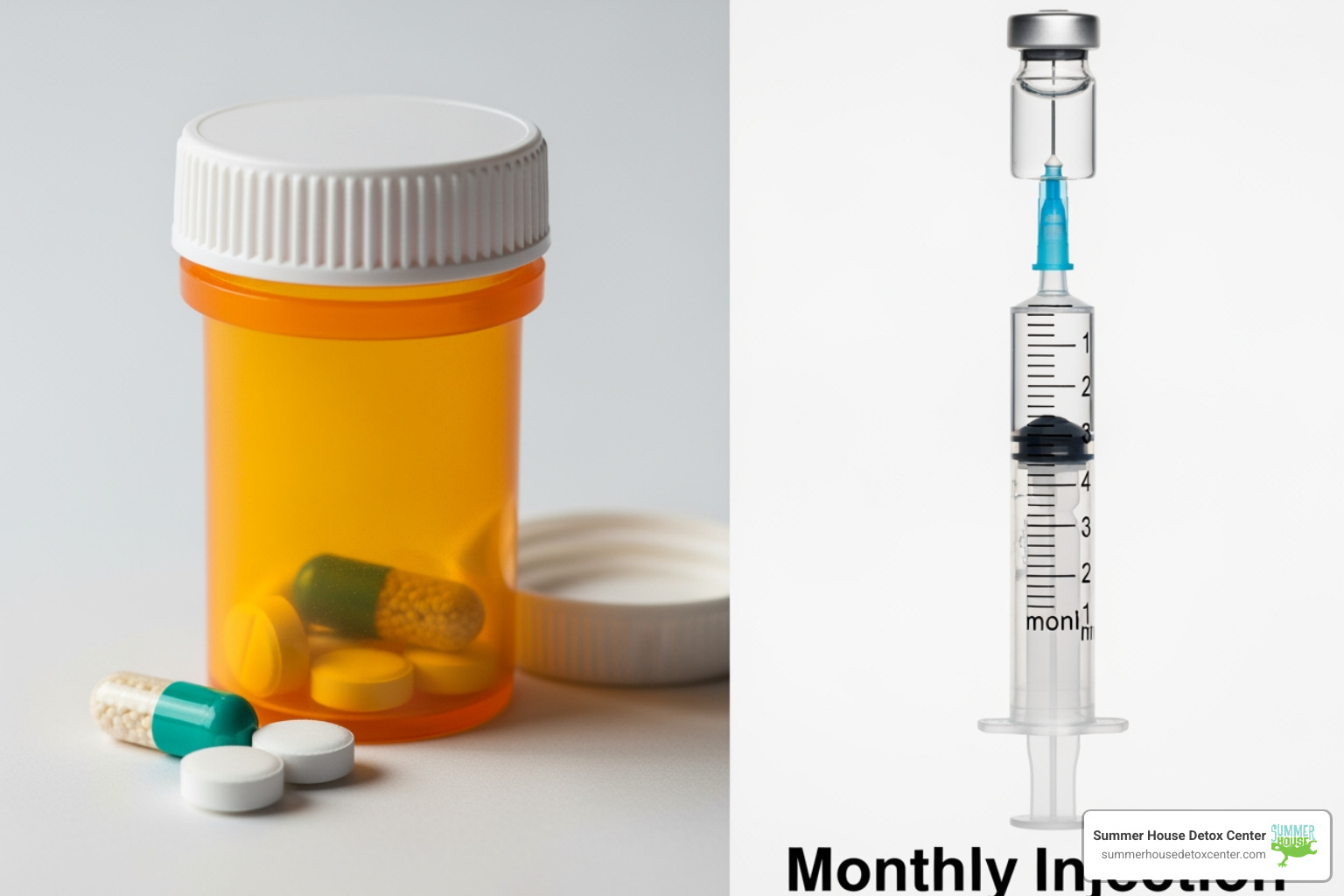
First, there’s oral naltrexone, often known by its brand name Revia. This is a pill you take once a day. It’s a straightforward option, but it does mean you need to remember to take it consistently, every single day. For some people, especially early in recovery, this daily commitment can be a bit of a hurdle. However, it offers flexibility – if you need to stop it for any reason, you can do so easily. Studies have shown that taking 50 mg of oral naltrexone daily can indeed help reduce alcohol consumption.
Then there’s injectable naltrexone, known as Vivitrol. This is an extended-release shot given once a month. Think of it as a steady, reliable helper that works in the background. Because it’s a monthly injection, it takes away the daily decision of remembering your medication. For many, this can be a real game-changer. It significantly improves adherence, meaning you’re more likely to get the full benefit of the medication without the stress of daily dosing.
The results with Vivitrol are encouraging. One study looked at 624 patients with alcohol dependence. Those who received Vivitrol along with counseling had 25% fewer heavy drinking days each month compared to those who just received counseling and a placebo. What’s more, for patients who had already stopped drinking for a week before their first injection, an impressive 41% on Vivitrol stayed completely alcohol-free throughout the study, compared to only 17% on placebo. This shows how much Vivitrol can help support long-term abstinence.
Choosing between oral and injectable naltrexone is a personal decision you’ll make with your healthcare provider. Often, doctors might suggest trying oral naltrexone first. This helps make sure you don’t have any unexpected allergic reactions or side effects before committing to the longer-lasting injectable form. Your lifestyle, personal preferences, and what you feel most comfortable with will all play a part in finding the best fit for your recovery journey. Things like cost and insurance coverage can also be part of that conversation.
Beyond the Label: Promising Off-Label and Future Medications
While the three FDA-approved medications we’ve discussed are the tried-and-true foundation for treating AUD, addiction medicine is always growing and learning. Scientists and doctors are constantly looking for new and better ways to help. This means that sometimes, a doctor might use a medication “off-label.” This just means they’re prescribing an approved drug for a purpose it wasn’t originally approved for, but where good scientific evidence suggests it can help. Think of it like a chef using a common ingredient in a brand new, delicious recipe! The National Institute on Alcohol Abuse and Alcoholism (NIAAA) is a big part of this progress, actively supporting research through its Medications Development Program.
Exploring Off-Label Options for Alcoholism Medication
Beyond the “core three,” several other medications, initially developed for different health issues, have shown promising results in clinical trials for AUD. These are some of the most promising choices that doctors might consider:
One such medication is Topiramate. This drug, originally used to treat seizures and migraines, seems to help reduce how much alcohol someone drinks. It works by adjusting important chemical messengers in the brain. While it can be very effective, it sometimes has side effects like changes in thinking or memory, so it’s a careful balance.
Another option is Gabapentin, also an anti-seizure medication. It has shown potential in easing alcohol cravings and reducing overall alcohol consumption. It’s especially helpful for calming the uncomfortable symptoms of alcohol withdrawal, like anxiety and trouble sleeping, which often push people back to drinking. Research suggests it might work even better for those who have a history of withdrawal.
Then there’s Baclofen, a muscle relaxant. This medication has shown some ability to cut down on alcohol use and cravings. It’s particularly useful for people who have liver problems, where other medications might not be a safe choice. In fact, it’s already approved for AUD treatment in France!
Finally, Ondansetron, typically used to prevent nausea, may also help decrease alcohol intake, particularly for individuals who started experiencing AUD at an earlier age.
Using these medications “off-label” is always a decision made carefully by a doctor, taking into account a patient’s individual needs, potential side effects, and any other medications they might be taking.
The Future of Alcoholism Medication Research
The journey to find even more effective alcoholism medication is ongoing and incredibly exciting. The NIAAA consistently funds a wide range of research projects, and new drugs are always being tested in what are called Phase 2 and Phase 3 clinical trials. These trials are crucial steps to ensure new medications are both safe and effective before they can become widely available.
Beyond these traditional paths, some truly fascinating new avenues are being explored:
There’s a growing interest in psychedelic compounds in psychiatry. Early studies suggest that psilocybin, the active ingredient found in certain mushrooms, when combined with guided therapy, might actually help people reduce their drinking. This research is still in its early stages, but it offers a glimpse into a potentially approach.
Another intriguing area involves GLP-1 agonists, medications like Ozempic and Wegovy, which are well-known for treating diabetes and helping with weight loss. What’s caught researchers’ attention are the anecdotal reports of reduced interest in alcohol from patients taking these drugs. This has sparked a lot of excitement, and researchers are now actively conducting trials of these medications to see if they truly can be effective tools in treating AUD.
These cutting-edge research areas could lead to brand new and innovative alcoholism medication options in the coming years. This means an even bigger and better toolkit to support individuals on their path to recovery, offering more hope and custom solutions than ever before.
The Integrated Approach: Medication, Therapy, and Patient Care
At Summer House Detox Center, we firmly believe that real, lasting recovery from Alcohol Use Disorder (AUD) is a journey, not a single step. While alcoholism medication can be a powerful ally in this journey, it’s truly just one piece of a much larger, more comprehensive puzzle. We understand that there’s no magic bullet; the most effective path forward combines medication with a truly holistic approach. This means looking at every aspect of your well-being – your body, your mind, and your spirit – to address the complex reasons behind AUD.
Our integrated approach is designed to provide you with a strong foundation for a fresh start. It begins with medically supervised detoxification, which is the crucial first step at Summer House to safely manage acute withdrawal symptoms in a comfortable, dignified setting. After detox, the journey continues with pharmacotherapy, where FDA-approved or carefully chosen off-label medications work to reduce cravings and help prevent relapse. But it doesn’t stop there. We blend this with behavioral therapies to help you explore underlying issues, develop healthy coping strategies, and learn how to prevent relapse. Alongside this, support groups offer a vital community of shared experiences and encouragement. We also prioritize patient education, ensuring you understand AUD, your treatment options, and how to stay on track. Every decision is made with informed consent, meaning you’re fully aware of the benefits, risks, and alternatives. And finally, ongoing monitoring ensures your treatment plan remains effective, addressing any side effects and celebrating your progress.
The Essential Role of Behavioral Treatments and Support
Think of medication and therapy as two hands working together to build a strong future. They truly work best in synergy. The groundbreaking COMBINE study, which was the largest pharmacotherapy trial for alcoholism in the U.S., showed us just how powerful this combination can be. It confirmed that using medication alongside intensive behavioral interventions significantly boosts the chances of long-term success.
Common behavioral therapies that beautifully complement alcoholism medication include:
- Cognitive Behavioral Therapy (CBT): This approach helps you identify and gently challenge the thought patterns and behaviors that might lead to alcohol use. It’s all about teaching you practical coping skills for those tricky, high-risk situations.
- Motivational Improvement Therapy (MET): This counseling style is designed to help you tap into your own motivation and resolve any mixed feelings you might have about engaging in treatment and stopping alcohol use.
Both individual and group counseling also provide a safe, confidential space to explore personal challenges, improve communication skills, and receive invaluable support. Many of these structured behavioral treatments, including those used in major research projects, draw from detailed guides like the [Project MATCH Manuals].
Beyond formal therapy, the power of peer support groups cannot be overstated. Organizations like Alcoholics Anonymous (AA) and SMART Recovery offer welcoming communities where individuals can share their journeys, gain new perspectives, and find mutual encouragement. These groups reinforce the lessons learned in therapy and provide ongoing accountability, helping you stay connected to your recovery.
Precision Medicine and Patient-Centered Care
At Summer House Detox Center, we understand that every person’s journey is unique. That’s why the concept of precision medicine is so exciting and increasingly vital in AUD treatment. Instead of a “one-size-fits-all” approach, precision medicine tailors your treatment plan specifically to you. This means considering everything from your genetic makeup and personal history to any other health conditions you might have, helping us predict which medication or therapy will work best.
For instance, research has shown that if you’re someone who drinks heavily and smokes cigarettes, you might respond particularly well to naltrexone. This could be because of how alcohol and nicotine together affect the brain’s reward system, and naltrexone helps balance that out. Similarly, if you have a history of significant alcohol withdrawal symptoms, gabapentin might be a very effective option for you.
This patient-centered approach is all about shared decision-making between you and your healthcare provider. We’ll sit down together, discuss your options, and choose the alcoholism medication and other interventions that are most likely to lead to a successful, personalized recovery journey. Your comfort, understanding, and active participation are key to building a path to lasting wellness.
Access, Effectiveness, and Challenges in AUD Treatment
It’s truly heartbreaking to see the gap between those who need help for alcohol use disorder (AUD) and those who actually receive it. Imagine, over 29.5 million Americans are struggling with AUD, yet a tiny fraction—less than 10%—receive any kind of treatment in a given year. When it comes to alcoholism medication, that number shrinks even further, with less than 3% benefiting from these effective tools. This is a stark contrast to how we approach other substance use disorders, like opioid use disorder (OUD), where about 22% of patients receive medication. It tells us there’s a huge opportunity to do better.
So, why this significant difference? One of the biggest problems is stigma. Unfortunately, many people still view AUD as a moral failing rather than a treatable medical condition. This can make it incredibly difficult for individuals to reach out for help, fearing judgment or shame. Often, those struggling don’t even realize how serious their drinking has become, or that proven, effective medications are readily available to support their recovery journey.
Another piece of the puzzle lies in our healthcare system. Historically, many healthcare providers haven’t received enough training in identifying and treating AUD, or in prescribing alcoholism medication. This means valuable opportunities to intervene and offer support can be missed. Then there are the practical considerations: cost and insurance barriers. Navigating insurance plans and understanding coverage for medications and therapy can feel overwhelming for many families, right here in Florida and particularly in our Miami community.
Even when someone is ready to seek help, simply finding a provider who is knowledgeable about AUD medications and willing to prescribe them can be a challenge, especially outside of specialized addiction centers. But don’t lose hope! Resources are out there to help bridge this gap. Organizations like SAMHSA offer excellent guidance, including a comprehensive manual on Medications for the Treatment of Alcohol Use Disorder. And if you’re looking for local support, the National Institute on Alcohol Abuse and Alcoholism (NIAAA) created the user-friendly Alcohol Treatment Navigator website. It’s a fantastic tool to help you find clinicians who provide evidence-based behavioral and/or pharmacological treatments for AUD in your area.
Conclusion
The journey to recovery from alcohol use disorder is indeed deeply personal, but here’s the wonderful truth: you don’t have to walk it alone. We’ve seen how alcoholism medication offers a powerful, scientifically-backed tool to help individuals regain control over their lives.
Throughout this guide, we’ve explored the three FDA-approved medications – Disulfiram, Naltrexone (both oral and injectable forms), and Acamprosate. Each works in its own unique way, whether it’s by gently deterring drinking, easing those persistent cravings, or helping to restore your brain’s natural balance. And beyond these, we’ve even glimpsed into the future, touching on promising off-label options and exciting research directions, from the potential of psychedelics to the intriguing role of GLP-1 agonists.
What truly shines through all this information is a powerful consensus: these medications are most effective when they’re part of a comprehensive, caring treatment plan. Think of it as building a strong house for your recovery – medication is a vital pillar, but it stands strongest when supported by behavioral therapies, personalized counseling, and the invaluable encouragement of peer support. This holistic approach, custom specifically to your unique needs, offers the very best chance for lasting success.
Recovery isn’t just a dream; it’s absolutely achievable. Alcoholism medication is a valuable ally in that process, making the path smoother and more manageable. For anyone in Miami, FL, or anywhere across Florida, seeking professional, evidence-based help is the most crucial first step. At Summer House Detox Center, we understand this deeply. We’re here to provide that crucial first step with medically supervised detox, all within a setting that prioritizes your comfort, dignity, and unwavering support from our experienced team. We’re ready to help you lay the foundation for a healthier, alcohol-free future.
More info about what to expect during your detox experience at Summer House.
